

Maddy summaryThis bill directs Congress to disapprove a rule from the Bureau of Consumer Financial Protection that sought to remove an existing regulation on fair credit reporting file disclosures. By rejecting this withdrawal, the legislation ensures the original credit reporting rules remain in effect and legally binding. The measure directly impacts the Bureau's authority to modify financial reporting standards and affects consumers, lenders, and credit reporting agencies who rely on those standards. It uses a formal congressional review process to override the agency's decision without creating new policy.
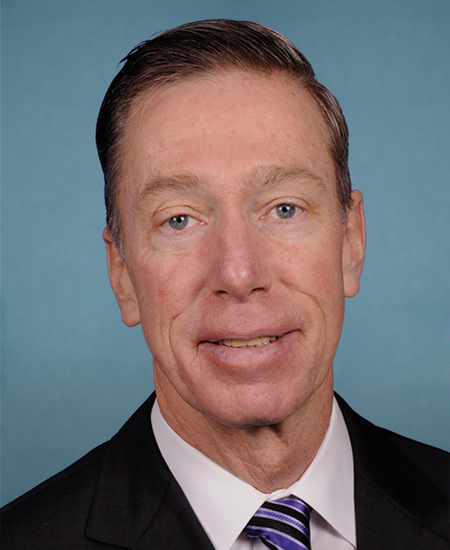
Rep. Stephen F. Lynch
Sponsored bills
Maddy summaryThis bill establishes a compensation fund to provide financial support to law enforcement officers who actively defended the U.S. Capitol on January 6, 2021, and suffered injuries, emotional distress, or death as a result. The program is administered by a Special Master appointed by the Attorney General, who will review individual claims for economic and non-economic losses while ignoring any questions of negligence. Eligible officers can receive specific payments for their injuries or the death of a colleague, with a guaranteed minimum of $4.975 million for death claims, plus an additional equal distribution to all qualifying officers regardless of injury status. The legislation also includes provisions to reduce payouts by any other compensation the claimant has already received and grants the federal government the right to recover funds if they are later paid out in related legal settlements.
Maddy summaryThe Universal School Meals Program Act of 2026 mandates that all public schools provide free breakfast and lunch to every enrolled student, regardless of income. It establishes specific funding rates for these meals, adjusts payments based on the use of locally sourced food, and eliminates the ability of schools to collect debt for unpaid charges. Additionally, the bill expands free meal access to summer programs, afterschool care, and incarcerated juveniles while updating poverty measurement standards across various federal education and nutrition laws.
This resolution expresses support for police officers and other law enforcement personnel. The resolution further recognizes law enforcement officers across the United States in the pursuit of preserving safe and secure communities; the need to ensure that such officers have the equipment, training, and resources necessary to protect their health and safety while they are protecting the public; and the law enforcement community for acts of sacrifice and heroism. The resolution expresses condolences and appreciation to the loved ones of each law enforcement officer who has made the ultimate sacrifice in the line of duty.
Maddy summaryThis bill would amend federal law to strengthen penalties for organized retail crime by expanding definitions of theft to include digital goods, gift cards, and setting a $5,000 aggregate value threshold for charges over a 12-month period. It would establish a new "Organized Retail and Supply Chain Crime Coordination Center" under Homeland Security to coordinate Federal, State, local, and Tribal law enforcement efforts against cross-jurisdictional theft groups. The Center would share information with retailers, transportation companies, and law enforcement agencies, track crime trends, and produce annual reports on organized retail crime. This legislation directly affects retailers, supply chain businesses, and law enforcement agencies, while targeting organized crime groups responsible for a 93% increase in larceny incidents and rising safety concerns for retail employees. The bill aims to address significant financial losses and supply chain disruptions noted in the National Retail Federation's 2023 data.
Maddy summaryThis bill prohibits the U.S. government from spending money on military actions against Iran between its enactment and December 31, 2026, unless Congress explicitly approves the use of force. It allows for military action only if Congress declares war, passes a specific authorization, or if the action is necessary to defend the United States or its allies from an imminent attack while following reporting requirements. The law directly restricts the President's ability to deploy troops without legislative approval during the specified timeframe.
Maddy summaryThe Assault Weapon Financing Accountability Act prohibits the use of "Buy Now, Pay Later" loans to purchase semiautomatic assault weapons. This ban applies to both lenders offering these short-term credit products and dealers who accept such loans for firearm sales. The bill defines "semiautomatic assault weapons" based on specific physical features like pistol grips, forward grips, and high-capacity magazines, and sets a civil penalty of $100,000 for violations by lenders or sellers.
Maddy summaryThe Vote by Mail Protection Act of 2026 directly affects the federal government by nullifying Executive Order 14399, which previously required citizenship verification in federal elections. This legislation prohibits any federal agency from enforcing the order or using taxpayer funds to carry out its activities. By repealing the executive order, the bill removes the mandate for agencies to verify citizenship as a condition for voting in federal elections.
Maddy summaryThis resolution formally recognizes the week of May 4 through May 8, 2026, as "Teacher Appreciation Week" to honor the work of public school educators. It highlights the importance of teachers in the education system and notes that a majority of them support various policies, including protections for students and funding for public schools. The document also expresses the view that teachers should have a direct role in education policymaking at federal, state, and local levels. By issuing this designation, the House of Representatives aims to acknowledge the value of teachers and encourage government leaders to engage with them on issues affecting the classroom.
Maddy summaryThis bill is a non-binding resolution that expresses the House of Representatives' sentiment to honor public servants for their dedication to the United States. It specifically acknowledges the work of federal, state, and local government employees, as well as uniformed service members, who deliver essential services and support the economy. The resolution calls on the American public to observe Public Service Recognition Week with ceremonies and activities that recognize these contributions. Because it is a symbolic expression of the House's feelings rather than a law with enforceable rules, it does not create new policies or mandate specific actions.