

Maddy summaryHR 8157 prohibits the U.S. Army Corps of Engineers (via the Secretary of the Army) from conducting spillage operations (releasing water through spillways) at four specific Lower Snake River dams - Ice Harbor, Lower Monumental, Little Goose, and Lower Granite - without prior approval from both the Secretary of the Army and the Bonneville Power Administration. This requires the Army and Bonneville to jointly consider all Columbia River System operations before approving such activities. The bill directly affects dam management decisions related to water flow, which impacts fish migration (particularly salmon), power generation, and river operations. It does not change existing dam operations but adds a formal approval step for spillage.
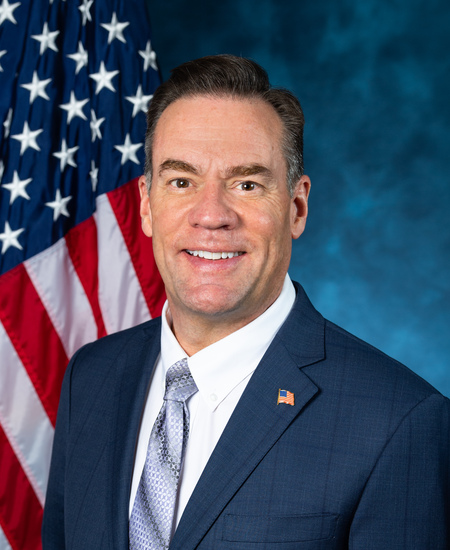
Rep. Russ Fulcher
Sponsored bills
Maddy summaryThe ACRES Act (HR 8159) prohibits the U.S. Army Corps of Engineers from breaching any federally operated dam if the replacement energy project would require at least 5% more land area than the dam itself occupies. It directly affects federal dam management decisions and energy projects seeking to replace dam operations. The key provision requires the Army Secretary, in coordination with the Interior Secretary, to conduct a study analyzing the land area occupied by the dam before considering any breach. This law aims to prevent dam removals that would significantly expand the land footprint of replacement energy infrastructure.
Maddy summaryHRES 1176 is a House resolution expressing disapproval of the Biden administration's Columbia Basin Restoration Initiative, formalized in a December 14, 2023, memorandum of understanding (MoU) with multiple stakeholders. The resolution cites the 4 Lower Snake River dams' critical role in providing carbon-free energy for 1.8 million homes, generating over 1,000 megawatts of power, supporting 40-60% of U.S. wheat exports, and moving 50-60 million tons of annual cargo. It argues the dams should not be breached, disapproves of the administration's commitments in the MoU, and states those commitments depend on unsecured congressional funding. This resolution does not alter policy but formally opposes the initiative through a statement of congressional disapproval.
Maddy summaryHR 8156 requires the Government Accountability Office (GAO) to submit to Congress an updated report on the Council on Environmental Quality (CEQ) within 120 days of the bill's enactment. The report must specifically address the CEQ's role in the Lower Snake River dams litigation case, including whether it meets its legal duties under environmental law and whether its functions could be handled by another agency. It also mandates details on the CEQ's use of outside contractors, its reliance on non-governmental organizations, and staff connections to groups involved in environmental cases. This procedural bill directly affects Congress, which will receive the report to inform oversight of the CEQ's operations.
Maddy summaryHR 8155, the Ratepayer Funding Alternative Act, requires the Secretary of Energy to develop alternative funding methods for the Bonneville Power Administration's fish and wildlife program that avoid passing these costs to ratepayers (electricity customers). The Secretary must consult with other federal agencies and submit a report detailing these alternatives to Congress within six months of the bill's enactment. This bill directly affects Bonneville Power Administration ratepayers, who currently pay for the program through their electricity bills. The legislation mandates the creation of funding alternatives and a report but does not change current funding practices.
Maddy summaryHR 8147 repeals the Corporate Transparency Act, which required certain businesses (typically those with more than 20 employees) to report beneficial ownership details to the Treasury Department. This bill eliminates the requirement for companies to disclose who ultimately owns or controls them, directly affecting business owners and financial institutions that previously submitted this information. The bill also makes minor technical changes to Title 31 of the U.S. Code to remove references to the repealed provisions. The repeal would end the existing financial transparency reporting obligation for covered entities.
Maddy summaryHR 5947 terminates specific U.S. waivers and licenses related to Iran, ending a 2023 waiver that allowed funds transfer from South Korea to Qatar. It prohibits the Treasury Department from reissuing similar waivers or licenses for the same purpose and blocks the President from granting Iran access to certain designated financial accounts established under prior laws. The bill directly affects U.S. foreign policy implementation by restricting how Treasury handles Iran-related financial transactions. It enacts concrete policy changes by ending existing authorizations and preventing future approvals for Iran to access specific accounts.
Maddy summaryHR 5530, the VA Emergency Transportation Access Act, prevents the Department of Veterans Affairs (VA) from lowering payment rates for specialized transportation used by veterans and eligible individuals (like ambulances or wheelchair vans) without strict requirements. It mandates that any rate change that could reduce access to care must first undergo a detailed review analyzing economic impacts on the VA and transportation industry, and ensure the new rate covers actual costs. The VA must also develop a formal process for rate changes and consult with industry experts, veterans' groups, and healthcare agencies before implementing such changes. This bill directly affects veterans relying on specialized transportation for medical care, particularly those in rural or underserved communities, by safeguarding their access to necessary emergency transport services.
Maddy summaryHRES 1148 is a resolution passed by the U.S. House of Representatives that condemns the Iranian government for supporting terrorism, regional proxy conflicts, and internal suppression of dissent - including its crackdown on protests following Mahsa Amini's death in 2022. It specifically calls for maintaining sanctions against Iran, supporting the Iranian Resistance's Ten-Point Plan (which advocates for a democratic, secular, nonnuclear Iran), and protecting Iranian political refugees in Albania. The resolution also affirms the Iranian people's right to self-determination under international law and urges the U.S. to recognize their struggle for freedom. As a non-binding resolution, it does not create new laws but formally expresses congressional stance.
Maddy summaryHJRES 123 is a resolution seeking congressional disapproval of an Environmental Protection Agency (EPA) rule published on March 11, 2024, which would have required chemical facilities to implement new safety measures under the Clean Air Act to prevent accidental releases. The rule, titled "Accidental Release Prevention Requirements: Risk Management Programs Under the Clean Air Act; Safer Communities by Chemical Accident Prevention," aimed to strengthen existing risk management programs at chemical plants. If passed, this resolution would block the rule from taking effect by invoking a federal process for disapproving agency regulations. It directly affects the EPA's regulatory authority and the chemical industry's compliance obligations under the Clean Air Act.