

Maddy summaryThis bill requires the U.S. Department of Defense and State Department to immediately deliver all previously approved military equipment and services to Israel within 15 days, reversing any pauses on arms transfers. It prohibits using federal funds to withhold, halt, or cancel defense article deliveries to Israel and mandates that unobligated security assistance funds for Israel must be spent by the end of 30 days. The bill also requires monthly reports to Congress detailing all security assistance provided to Israel since October 7, 2023, including specific items delivered and funding sources. The law directly affects U.S. agencies responsible for military aid and Israel as the recipient of the security assistance.
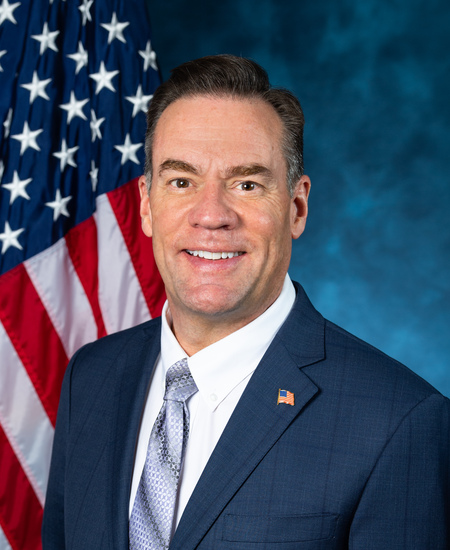
Rep. Russ Fulcher
Sponsored bills
Maddy summaryThis bill authorizes the placement of a memorial honoring women who contributed to World War II efforts on the National Mall or adjacent federal land in Washington, D.C. It specifically removes a location restriction (under 40 U.S.C. § 8908) to allow the memorial - previously authorized by the 2023 Consolidated Appropriations Act - to be situated within Area I of the National Mall or the National Mall Reserve. The memorial would commemorate over 18 million women who worked as pilots, engineers, mechanics, and codebreakers during the war. The bill directly affects the Women Who Worked on the Home Front Foundation, which is tasked with establishing the memorial.
Maddy summaryHRES 1175 is a non-binding resolution expressing the House's view that hydropower is essential to U.S. energy security and grid resilience. It states hydropower should be a key part of an "all-of-the-above" energy strategy, noting its role in providing reliable electricity, supporting water management, and reducing reliance on foreign energy sources. The resolution calls on the Secretary of Energy to develop a plan for expanding domestic hydropower to strengthen national security and economic competitiveness. It specifically highlights hydropower's current contribution (6.2% of U.S. electricity generation) and its importance for grid stability during emergencies. The resolution does not create new laws or regulations but aims to influence future energy policy discussions.
Maddy summaryThis bill requires federal agencies to publish detailed early notices about new regulations on their websites within 7 days of receiving an agency rulemaking ID number. The notices must explain the problem the rule addresses, justify why it's necessary (including whether alternatives like market incentives were considered), and invite public input on cost-effective solutions. Agencies must also provide these notices to the Comptroller General, who will create a public database and submit annual compliance reports to Congress. The bill directly affects all federal agencies developing new regulations and aims to increase transparency and public engagement in the regulatory process.
Maddy summaryHR 3397, the WEST Act of 2024, requires the Bureau of Land Management (BLM) to withdraw its 2023 proposed rule titled "Conservation and Landscape Health" (published at 88 Fed. Reg. 19583). The bill mandates that the BLM Director must immediately withdraw this specific proposed rule and cannot take any action to finalize, implement, or enforce it or any substantially similar rule. This bill directly affects the BLM agency by halting the regulatory process for this conservation-focused rule. It is a procedural measure that prevents the rule from moving forward, without creating new policy or impacting other entities.
Maddy summaryHR 764, the "Trust the Science Act," requires the Secretary of the Interior to reissue a specific 2020 rule removing gray wolves from the endangered species list within 60 days of the bill's enactment. This directly affects gray wolf populations by changing their federal conservation status. The bill's key provision mandates that this reissuance cannot be challenged in court, eliminating judicial review of the decision. The bill focuses solely on procedural implementation of a prior rule, not broader scientific policy.
Maddy summaryHR 615, the Protecting Access for Hunters and Anglers Act of 2023, prevents federal agencies from banning lead ammunition or tackle on public lands and waters managed for hunting or fishing, except in specific cases. The bill allows exceptions only if a state wildlife department confirms lead use is harming local wildlife, and the federal action aligns with state law or state agency approval. It directly affects hunters and anglers using federal lands and waters, ensuring they can continue using lead products unless a state verifies a local wildlife issue requiring a ban. The law requires federal agencies to justify any exception with state data and policy compliance in official notices.
Maddy summaryHR 8160, the Breaking Irresponsible Energy and Commercial Habits Act (BREACH Act), prohibits the Secretary of the Army from breaching federally operated dams under specific conditions. It blocks dam breaches that would increase carbon emissions by over 10%, reduce commercial navigability of the waterway, or raise prices for shipped goods (including agriculture) by at least 10%. The bill requires the Army Secretary to consult with the Energy, Transportation, Agriculture, Commerce, and state agencies before making such decisions. This directly affects federal dam management decisions and commercial shipping interests reliant on waterways managed by federally operated dams.
Maddy summaryHR 8161, the Electric Act, prohibits the retirement of federally operated hydropower dams (managed by the Interior or Army) if such retirement would raise electricity rates by more than 10% or decrease energy reliability by more than 10% in Washington, Oregon, Idaho, Montana, Wyoming, or California. It requires the Secretary to replace 100% of the retired dam's baseload generation (the minimum power supplied to the grid) within 30 days of retirement. The bill directly affects federally managed hydropower facilities in the specified western states by setting strict financial and reliability thresholds for retirement decisions. It defines key terms like "baseload generation" and specifies which federal agencies (Interior or Army) oversee different dam operations. The law aims to prevent grid disruptions and rate hikes from decommissioning federal hydropower sources.
Maddy summaryThis bill directs the U.S. Army Corps of Engineers (through the Chief of Engineers) to acquire and install acoustic sound technology at Bonneville Dam to deter seals and sea lions (pinnipeds) from gathering there. It specifically prohibits using underwater firecrackers or similar methods and authorizes $400,000 for this purpose. The law aims to prevent pinnipeds from recolonizing the dam area, directly affecting dam operations and local wildlife management. It focuses on a specific technological solution for a localized wildlife management issue at the Columbia River dam.