

Maddy summaryHR 1232, the National Right-to-Work Act, would make union membership voluntary for workers in most private-sector jobs by removing legal requirements for employees to join a union or pay dues as a condition of employment. It directly affects workers in unionized workplaces covered by the National Labor Relations Act (including most private employers) and railroad workers covered by the Railway Labor Act. The key change eliminates provisions that allowed "union security agreements" (requiring dues or membership), meaning workers could no longer be forced to pay union fees to keep their jobs. This bill does not change other labor rights or create new programs - it only modifies existing laws to allow workers to opt out of union membership and financial obligations.
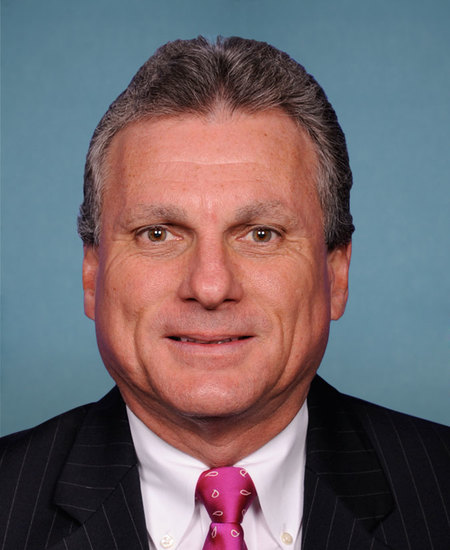
Rep. Earl L. "Buddy" Carter
Sponsored bills
Maddy summaryThis bill expands eligibility for death and disability benefits under the public safety officers' death benefits program to include retired law enforcement officers who die or become permanently disabled from targeted attacks directly related to their past service. It specifically covers officers who retired in good standing from public agencies, including those who served without compensation. The policy change applies retroactively to cases occurring since August 28, 2012, and amends the Omnibus Crime Control and Safe Streets Act of 1968. This provides financial support to retired officers and their families affected by violence targeting their law enforcement careers.
Maddy summaryHR 1189, the National Plan for Epilepsy Act, creates a coordinated federal strategy to address epilepsy through a National Plan for Epilepsy. The plan requires the Secretary of Health and Human Services to establish an annual assessment, maintain a diverse Advisory Council (including people with epilepsy, caregivers, and experts), and coordinate research and care across federal agencies. Key provisions include annual progress reports to Congress, data sharing between agencies, and recommendations to improve diagnosis, treatment access, and reduce epilepsy-related disparities. The plan expires December 31, 2035, and directly affects the estimated 3.4 million people in the U.S. living with epilepsy and their caregivers.
Maddy summaryThe PREEMIE Reauthorization Act of 2025 extends federal research funding for preterm birth prevention and care through fiscal years 2025-2029, replacing the prior 2019-2023 period. It requires the HHS Secretary to establish an interagency working group within 18 months and mandates a National Academies study on preterm birth costs, risk factors, and prevention strategies. The study must assess neonatal intensive care costs, long-term family expenses, and opportunities for early detection and support. It also analyzes targeted research for at-risk pregnancies, state program best practices, and precision medicine approaches starting in pregnancy. This bill directly affects preterm infants, their families, and federal health agencies through these research and coordination mechanisms.
Alpha-gal Allergen Inclusion Act This bill expands the definition of major food allergen to include galactose-alpha-1,3-galactose (commonly known as alpha-gal ). Under current law, food labels generally must identify each major food allergen found in labeled food products. (Certain tick bites cause an allergic condition known as alpha-gal syndrome that can result in an allergy to the alpha-gal molecule, which is found in red meat and other products made from mammals.)
Maddy summaryHR 1160, the Health Care Provider Shortage Minimization Act of 2025, changes tax treatment for temporary healthcare providers. It clarifies that locum tenens physicians (including doctors of medicine, dentistry, or podiatry) and advanced care practitioners (like nurse practitioners and physician assistants) working temporarily at a site for up to one year are not treated as employees for tax purposes. This means their pay is not considered employment income, and neither the facility, contracting agency, nor payor is treated as their employer. The law applies to services performed under written contracts specifying this tax status, effective after the bill's enactment.
Maddy summaryThis bill authorizes the President to negotiate purchasing Greenland from Denmark and requires renaming Greenland to "Red, White, and Blueland" in all U.S. federal documents, maps, and references. Federal agencies must update all relevant materials within 180 days of enactment to reflect the new name. The bill has no substantive policy provisions beyond this symbolic renaming and procedural update requirement. It does not involve actual land acquisition or affect any U.S. citizens or residents.
Maddy summaryThe SAFE Act requires Medicare to cover falls risk assessments and fall prevention services for seniors aged 65+ who have fallen in the previous year. These services, provided by physical or occupational therapists, will be included in Medicare's annual wellness visits and initial preventive physical exams starting January 1, 2026. The bill also mandates annual reports to Congress beginning in 2027 on falls among seniors aged 65+ that required treatment for fall-related injuries. This policy directly affects Medicare beneficiaries with a documented history of falls by adding targeted preventive care to their covered benefits.
Maddy summaryThe Laken Riley Act expands mandatory detention for immigrants convicted of certain property crimes like burglary, theft, or shoplifting by adding these offenses to existing immigration detention criteria. It requires the federal government to issue detainers for such individuals and take custody if not detained by local authorities. The bill also grants state attorneys general standing to sue federal officials in federal court if they believe immigration enforcement actions (like releasing detained immigrants) cause the state financial harm exceeding $100. This creates new legal pathways for states to challenge federal immigration decisions through expedited lawsuits.
Maddy summaryThe HALT Fentanyl Act (HR 27) creates a new category of Schedule I controlled substances for "fentanyl-related substances" defined by specific chemical modifications to fentanyl. This law directly affects researchers, medical professionals, and law enforcement by expanding the legal definition of fentanyl-related substances to include many structurally similar compounds. Key provisions include streamlined registration processes for research on these substances, allowing researchers to conduct studies with expedited procedures if related to FDA-approved drug development or government-funded research. The bill requires the Attorney General to issue implementing rules within six months and includes penalties for violations involving these substances.