

Maddy summaryHJRES 38 is a joint resolution seeking congressional disapproval of an Environmental Protection Agency (EPA) rule implementing the American Innovation and Manufacturing (AIM) Act. The rule manages the phasedown of hydrofluorocarbons (HFCs), potent greenhouse gases used in refrigeration and air conditioning, under the AIM Act of 2020. If approved, this resolution would block the EPA rule from taking effect, preventing its implementation of HFC management requirements. This is a procedural disapproval under the Congressional Review Act, not a new law, and directly affects the EPA’s regulatory authority over HFCs.
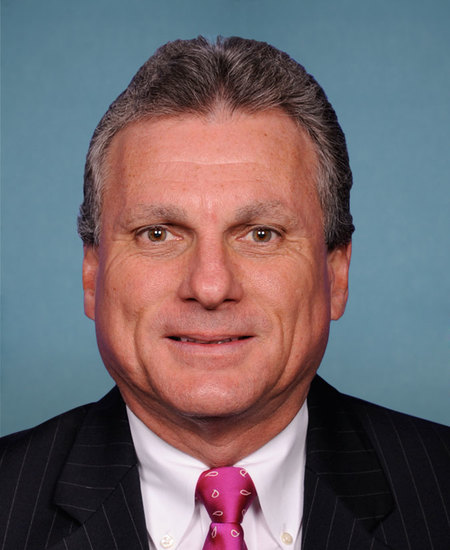
Rep. Earl L. "Buddy" Carter
Sponsored bills
Maddy summaryThis bill expands 529 college savings account flexibility by allowing funds to cover costs for industry-recognized postsecondary credentials, not just traditional degrees. It defines "qualified expenses" to include tuition/fees for recognized credential programs (like certifications or apprenticeships), required testing fees, and continuing education needed to maintain credentials. To qualify, programs must meet specific criteria, such as appearing on state lists under the Workforce Innovation and Opportunity Act or being listed in VA or Defense directories. The change applies to 529 distributions made after the law's enactment, giving families more options to use these accounts for job-focused training.
Maddy summaryHCONRES 8 is a non-binding congressional resolution urging the U.S. President to end the current "One China Policy" and recognize Taiwan as an independent country. It specifically calls for resuming normal diplomatic relations (including appointing ambassadors), negotiating a bilateral free trade agreement with Taiwan, and advocating for Taiwan's full membership in international organizations like the UN and WHO. The resolution argues that Taiwan has maintained democratic governance and independence for over 70 years, separate from the People's Republic of China. This resolution does not change U.S. law but expresses Congress's position on foreign policy toward Taiwan.
Maddy summaryThis bill creates a tax exclusion for landowners who sell certain property interests through the Defense Department's Readiness and Environmental Protection Integration (REPI) program. It excludes the gain from taxable income when selling "qualified real property interests" (including full ownership, remainder interests, or surface use restrictions) to a qualified organization under the REPI program, which protects military readiness areas while conserving environmentally sensitive lands. The exclusion does not apply if the property was purchased within three years prior to sale (except for family partnerships or family-owned entities). This policy change directly affects landowners participating in the REPI program by reducing tax liability on qualifying sales.
Maddy summaryHR 991, the Cost Estimates Improvement Act, requires the Congressional Budget Office (CBO) and Joint Committee on Taxation (JCT) to include debt servicing costs (interest payments on the national debt) in their budget estimates "to the extent practicable." This change directly affects how Congress evaluates the fiscal impact of proposed legislation, as these estimates determine whether bills qualify for budget reconciliation and influence funding decisions. The key mechanism amends the 1974 Congressional Budget Act to mandate this inclusion within existing cost estimation processes. The bill does not alter spending or tax policy but aims to make budget scoring more comprehensive by accounting for ongoing interest costs.
Fair Access to Banking Act This bill places restrictions on certain banks, credit unions, and payment card networks if they refuse to do business with a person who complies with the law. Restrictions include prohibiting the use of electronic funds transfer systems and lending programs, termination of an institution's depository insurance, and specified civil penalties. Banks and other specified financial institutions are allowed to deny financial services to a person only if the denial is justified by a documented failure of that person to meet quantitative, impartial, risk-based standards established in advance by the institution. This justification may not be based upon reputational risks to the institution. The bill establishes the right for a person to bring a civil action for a violation of this bill.
Maddy summaryHR 943, the "No User Fees for Gun Owners Act," bans states and local governments from requiring insurance, taxes, or user fees as conditions for owning, buying, or selling firearms. It specifically prohibits these fees for firearm manufacture, importation, acquisition, transfer, or continued ownership, except for general sales taxes applied equally to all goods. The bill amends federal law to prevent states from imposing such conditions on gun ownership or commerce, while allowing standard sales taxes to apply uniformly. This directly affects gun owners, dealers, and manufacturers by removing mandatory fees tied to firearm transactions. The law does not restrict general sales taxes but eliminates state-specific fees as a prerequisite for firearm-related activities.
Maddy summaryThis bill reauthorizes the Dr. Lorna Breen Health Care Provider Protection Act, extending mental health support programs for healthcare professionals through 2030 (previously ending in 2024). It requires funded programs to specifically address reducing administrative burdens on healthcare workers while continuing to promote access to mental health and substance use disorder services. The legislation directly affects healthcare providers across the U.S. who may access these federally supported resources. Key provisions include extending funding periods and mandating that grant recipients focus on easing workplace administrative tasks, alongside maintaining existing awareness initiatives. The bill does not create new programs but continues and refines existing mental health support for the healthcare workforce.
Medicare Patient Access and Practice Stabilization Act of 2025 This bill increases certain payment adjustments under the Medicare physician fee schedule for services furnished between April 1, 2025, and January 1, 2026.
Maddy summaryHR 751, the HEALTH Panel Act, creates a 15-member Panel of Health Advisors within the Congressional Budget Office (CBO) to enhance its analysis of health care policy. The panel provides technical expertise on CBO's health-related studies, cost estimates for health legislation, and health components in budget publications, and issues annual reports to congressional budget committees. Members, appointed by congressional leadership and the CBO Director with expertise in health finance, economics, and related fields, serve staggered three-year terms. The bill aims to improve the objectivity and depth of the CBO's health policy analysis without directly changing health programs or affecting constituents.