

Maddy summaryThis bill authorizes the President to posthumously award Doris Miller, an African-American Navy cook who served during World War II, the Medal of Honor - the highest military honor - for his actions during the December 7, 1941, Pearl Harbor attack. It directly affects Miller (who died in 1943) by correcting a historical oversight: he was initially recognized with a Navy Cross but never received the Medal of Honor, despite being among those who could have earned it. The key provision waives standard time limits for posthumous Medal of Honor awards under U.S. Code, enabling the President to formally recognize Miller's valor - specifically his actions manning a machine gun under fire and saving lives - after his death. The bill cites that no African-American sailor received the Medal of Honor for Pearl Harbor actions, while Miller's heroism was documented in Navy reports.
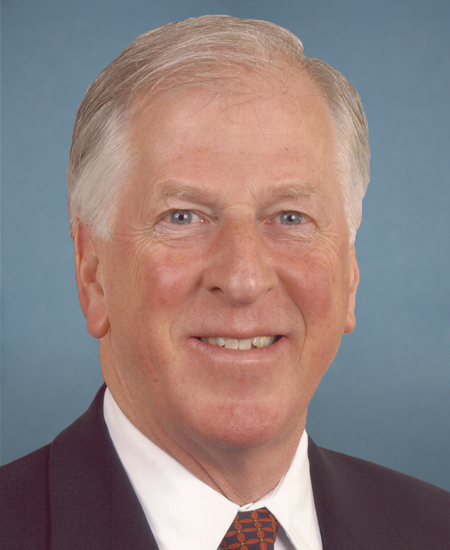
Rep. Mike Thompson
Sponsored bills
Maddy summaryHR 1247 would award a Congressional Gold Medal to the Freedom Riders collectively, honoring their pivotal role in challenging segregation in interstate travel during the Civil Rights movement. The medal, to be struck by the U.S. Mint and displayed at the Smithsonian Institution, recognizes their nonviolent protests that led to the 1961 federal ban on segregation in interstate public facilities. This is a symbolic tribute with no legal effect, as the bill does not create new policies or alter existing laws.
Maddy summaryThe Richard L. Trumka Protecting the Right to Organize Act of 2023 strengthens workers' rights to organize unions by making it harder for employers to interfere with organizing efforts. Key provisions include changing the definition of "employee" to make it more difficult to classify workers as independent contractors, prohibiting employers from threatening to permanently replace striking workers, and requiring employers to provide voter lists for union elections. The bill also creates a new electronic voting system for union elections, strengthens whistleblower protections for workers reporting labor violations, and increases penalties for unfair labor practices. These changes directly affect workers seeking to form unions, employers who may interfere with organizing, and labor organizations. The bill aims to make it easier for workers to exercise their right to collective bargaining under the National Labor Relations Act.
This resolution condemns Russia for committing acts of genocide against the Ukrainian people. It also calls on the United States, in cooperation with North Atlantic Treaty Organization and European Union allies, to undertake measures to support the Ukrainian government to prevent further acts of Russian genocide against the Ukrainian people.
This bill authorizes the Department of Agriculture to waive the matching funds requirement for grants under the specialty crop research initiative. Currently, entities that receive grants under the initiative must provide nonfederal matching funds (including funds from an agricultural promotion, research, and information program) equal to not less than the amount of the grant.
Maddy summaryThe RISEE Act of 2023 creates a National Oceans and Coastal Security Fund to support coastal communities and ecosystems. It allocates 37.5% of offshore wind revenue directly to eligible coastal states using a formula based on tidal shoreline length, coastal population density, and distance from offshore wind projects. States must use these funds for coastal protection, habitat restoration, infrastructure, or fisheries research, with strict annual reporting requirements to the Department of the Interior. The bill prohibits using these funds for litigation or creating marine monuments, ensuring resources directly support coastal community needs.
Maddy summaryThis bill prohibits the federal government from issuing oil and gas leases for exploration, development, or production on the outer Continental Shelf off the coasts of California, Oregon, and Washington. It amends the Outer Continental Shelf Lands Act to specifically block the Secretary of the Interior from authorizing such leasing in those coastal areas. The direct effect is on the Department of the Interior, which would no longer be permitted to conduct lease sales in these regions. The bill does not create new programs or funding but changes existing leasing authority.
Maddy summaryThis resolution (HRES 139) celebrates the 75th anniversary of NASCAR, marking its founding on February 21, 1948. It commends NASCAR's contributions to the U.S. economy and society, highlighting its role as a global motorsports leader that hosts over 1,200 races annually, supports community initiatives (like donating $43 million to children via the NASCAR Foundation), and drives tourism and entertainment. As a ceremonial resolution, it does not create new laws or affect any individuals or entities. The House formally recognizes NASCAR's historical significance and ongoing impact through this symbolic gesture.
Maddy summaryHR 1088, the Shirley Chisholm Congressional Gold Medal Act, authorizes a posthumous Congressional Gold Medal to honor Congresswoman Shirley Chisholm, the first African-American woman elected to Congress (1968) and the first Black candidate for a major party's presidential nomination (1972). The bill directs the Treasury Secretary to design and strike a gold medal featuring Chisholm's image, which will be presented by Congress and then permanently displayed at the Smithsonian Institution. Duplicate bronze medals may be sold to the public to cover production costs, with proceeds deposited into the U.S. Mint fund. This bill commemorates Chisholm's legacy and achievements without creating new laws or affecting any current policies.
Maddy summaryThis bill authorizes a posthumous Congressional gold medal for Constance Baker Motley, a pioneering civil rights attorney and federal judge. It directs the Treasury to strike a gold medal featuring her image and name, to be presented to her son, Joel Motley III, and niece, Constance Royster. The medal is a commemorative tribute recognizing her historic contributions to civil rights and her service as the first African-American woman appointed to a federal judgeship. No new policies or programs are created; the bill solely honors her legacy through a commemorative medal.