

Maddy summaryThis bill authorizes a single Congressional Gold Medal to honor all U.S. Army Dustoff crews who served during the Vietnam War (1962-1973). It recognizes their critical role in evacuating nearly 900,000 wounded personnel, including U.S., South Vietnamese, and allied forces, under extreme combat conditions. The medal, designed with input from the Secretary of Defense, will be presented to the U.S. Army Medical Department Museum for permanent display. Duplicate bronze medals may be sold to cover costs, but the primary action is the commemorative recognition of these crews' service.
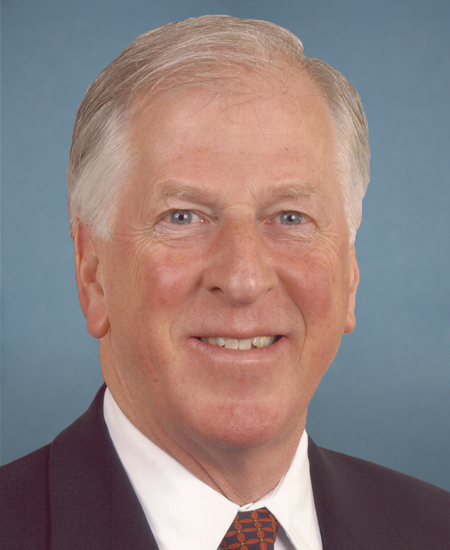
Rep. Mike Thompson
Sponsored bills
American Port Access Privileges Act of 2023 This bill requires port authorities that receive funding under the Port Infrastructure Development Program or Maritime Transportation System Emergency Relief Program to provide preferential berthing for loading and unloading certain vessels, including U.S. flagged vessels and those under contract to the federal government. The Bureau of Transportation Statistics may collect data on berthing and cargo practices at U.S. ports.
Stop the Delta Tunnel Act This bill prohibits the U.S. Army Corps of Engineers (USACE) from issuing a federal permit that would be necessary to build the proposed Delta Conveyance Project in California. Specifically, the USACE may not issue a Section 404 permit (i.e., a permit that allows for the discharge of dredged or fill material into navigable waters) for the project. The USACE published a draft environmental impact statement in December 2022 about the project, which involves constructing new California State Water Project diversion and conveyance facilities in the Sacramento-San Joaquin Delta. The Delta Conveyance Project includes an underground tunnel to deliver water south of the delta.
Maddy summaryHR 782 prohibits state officials from interfering with abortion services provided across state lines. It specifically blocks states from restricting: (1) out-of-state patients traveling for legal abortions, (2) providers offering such services, (3) assistance for travel or care, or (4) the interstate shipment of FDA-approved abortion drugs. The bill allows the federal Attorney General or affected individuals to sue violators for injunctions, damages, and attorney fees. It directly affects patients seeking care in other states, healthcare providers, transportation services, and pharmacies handling FDA-approved abortion medications. The law focuses on preventing state laws from blocking access to legally permitted abortion services.
Maddy summaryHR 621, the PART Act, requires catalytic converters on vehicles to be stamped with a visible vehicle identification number (VIN) using special high-visibility paint to deter theft. It creates a federal grant program to help auto dealers, repair shops, and law enforcement implement this stamping at no cost to vehicle owners. The bill also mandates that sellers of catalytic converters retain buyer identification and vehicle details for two years, and adds new federal criminal penalties for stealing or trafficking in catalytic converters.
Maddy summaryHR 303, the Retired Pay Restoration Act, allows certain disabled military retirees to receive both full retired pay and veterans’ disability compensation without forfeiting retired pay. It specifically extends this benefit to retirees with service-connected disabilities rated below 50% (previously ineligible), while continuing existing provisions for those with 50-90% ratings and 100% ratings. The bill eliminates the "one dollar for one dollar" offset for these retirees, effective January 2021, meaning they no longer lose retired pay to receive disability compensation. This directly affects disabled military retirees with qualifying service-connected disabilities under 50% who were previously required to sacrifice retired pay. The law amends Title 10 to redefine "qualified retirees" and streamline concurrent payment eligibility.
Maddy summaryHR 251 renames the Department of Veterans Affairs outpatient clinic in Vallejo, California, as the "Delphine Metcalf-Foster VA Clinic." This bill updates all official U.S. government references - such as laws, maps, and documents - to reflect the new name. It directly affects the Vallejo clinic and its administrative records, with no policy changes or financial impact. The bill is purely procedural, honoring Delphine Metcalf-Foster through the clinic's designation.
Maddy summaryHR 715, the Bipartisan Background Checks Act of 2023, requires background checks for all firearm transfers between private individuals, not just those through licensed dealers. It mandates that unlicensed sellers must involve a licensed dealer to conduct a background check before transferring a firearm, with exceptions for family transfers (like spouses or parents/children), law enforcement, temporary safety transfers, and certain hunting or range activities. The bill also requires licensed dealers to provide a notice and certification form in both English and Spanish to buyers. It explicitly states it won't create a national gun registry or override state laws on the same topic. The law would take effect 180 days after enactment.
Maddy summaryHR 660, "Ethan's Law," requires gun owners in homes where minors (under 18) or individuals prohibited from owning firearms under federal/state law reside to store firearms securely. It makes unsecured storage unlawful if a minor or prohibited person could access the firearm, with fines of $500 per violation and enhanced penalties (up to 5 years in prison) if injury or death occurs. The bill also establishes a federal grant program to help states implement similar secure storage laws and provides funding incentives for states that already have such laws in place.
Maddy summaryThis bill extends protections for federal student loan borrowers as pandemic-related payment pauses end. It requires the Department of Education to send at least six notifications to borrowers 60 days before payments resume, explaining repayment options, income-driven plans, and default solutions. Borrowers can self-certify income to switch repayment plans without fees and access economic hardship deferments if they miss payments. The law prioritizes outreach to borrowers who previously struggled with payments before the pandemic, ensuring they get clear information about available support.