

Maddy summaryThis bill creates a new definition for "currently accepted medical use with severe restrictions" under the Controlled Substances Act, specifically for certain investigational drugs. It applies to drugs designated as breakthrough therapies by the FDA or authorized for expanded patient access under specific emergency protocols for serious diseases with no other treatment options. The definition excludes drugs that are already fully approved under standard FDA pathways or that lose their expanded access status. If a drug no longer meets these strict criteria, the Attorney General must reclassify it into the highest restriction category (Schedule I) within 90 days of notification from the Health Secretary. This changes how certain experimental treatments are classified under federal drug laws.
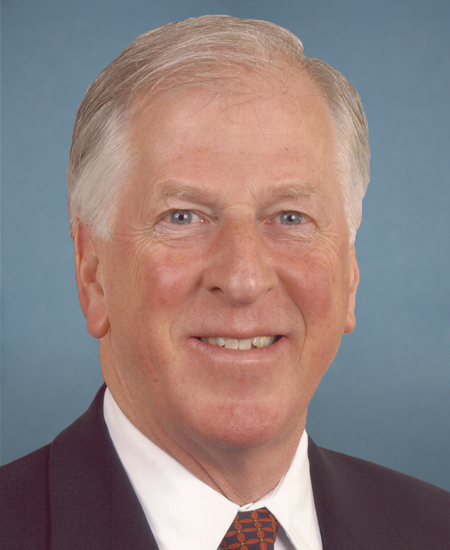
Rep. Mike Thompson
Sponsored bills
Maddy summaryThis bill authorizes a Congressional Gold Medal to honor the "Hello Girls" - female telephone operators who served in the Army Signal Corps during World War I. They provided critical battlefield communications in France (connecting 26 million calls), wore military uniforms, and faced combat risks, but were denied veteran benefits for 60 years due to being classified as civilian contractors. The medal recognizes their pioneering service, devotion, and the decades-long struggle to gain military recognition. The award follows similar recognition for other WWII women veterans and aims to correct the historical injustice they faced.
Maddy summaryHRES 193 is a symbolic House resolution expressing support for World Hearing Day, observed annually on March 3. It highlights the global scale of hearing loss - impacting 466 million people worldwide and 48 million Americans - along with associated health risks like falls, cognitive decline, and social isolation. The resolution encourages public awareness about preventing hearing loss and promotes ear and hearing care. It specifically urges improved access to hearing health services and technology for all individuals, without creating new laws or funding. This resolution has no direct policy impact but formally recognizes the importance of hearing health.
Maddy summaryThe Paycheck Fairness Act (HR 17) strengthens equal pay protections by amending the Fair Labor Standards Act. It prohibits pay discrimination based on sex, pregnancy, childbirth, sexual orientation, gender identity, and sex characteristics. The bill modifies employer defenses for pay differences to require demonstration that any disparity is job-related, consistent with business necessity, and accounts for the entire pay differential. It also prohibits employers from relying on wage history when making hiring decisions or setting pay, enhances penalties for violations, and requires the EEOC to collect compensation data disaggregated by sex, race, and national origin.
Maddy summaryThis bill establishes a federal grant program to assist farmers and agricultural communities affected by PFAS (contaminants in soil and water). Eligible states, tribes, or local governments can apply for funds if their agricultural land or water sources contain unsafe PFAS levels, with 30% of annual funding reserved for smaller jurisdictions. Grants can be used for direct compensation to farmers for contaminated land/products, transitioning to new production systems, health monitoring, research on PFAS impacts, and developing remediation strategies. The program authorizes $500 million over five years (2024-2028) and requires annual reports on fund usage and community needs.
Maddy summaryHR 1511 amends Section 249 of the Immigration and Nationality Act to change eligibility criteria for certain immigration provisions. The bill replaces outdated language about entry dates (prior to July 1, 1924, or January 1, 1972) with a requirement that applicants must have been long-term residents of the United States for at least seven years before applying. This change would directly affect individuals seeking immigration status under the amended provisions who meet the new residency timeline. The bill is procedural in nature, updating the legal definition of qualifying residency without creating new benefits or restrictions. (Note: The bill's title incorrectly references the "Immigration Act of 1929," which never existed; the actual law amended is part of the 1952 Immigration and Nationality Act.)
Maddy summaryHRES 200 is a non-binding House resolution condemning two mass shootings in California: 11 victims in Monterey Park (January 21, 2023) at a Lunar New Year celebration and 7 victims in Half Moon Bay (January 23, 2023) at a farm. It honors all victims - primarily Asian-American seniors and immigrant farmworkers - expresses condolences to their families, and reaffirms the House’s commitment to supporting Asian-American and Pacific Islander communities. The resolution specifically addresses the rise in anti-Asian hate crimes during the pandemic and recognizes the vulnerability of immigrant communities. As a symbolic gesture, it does not create new laws or allocate funding but formally condemns the violence and affirms solidarity.
Maddy summaryHR 1388 authorizes the minting of commemorative coins to honor the 1865 Sultana steamboat disaster, the deadliest maritime tragedy in U.S. history. It specifies three coin types ($5 gold, $1 silver, and half-dollar) with defined weights and compositions, to be sold at face value plus surcharges ($35, $10, and $5 per coin, respectively). All surcharges collected will fund the Sultana Historical Preservation Society for museum development, including exhibits, artifact preservation, and facility construction. The coins are legal tender but intended for collectors, with sales limited to a one-year period starting January 2023.
Maddy summaryThe IRS Whistleblower Program Improvement Act of 2023 (HR 1336) makes several key changes to the IRS whistleblower program. It requires Tax Court reviews of award decisions to be "de novo" (full new review) based on the original record, exempts whistleblower awards from budget sequestration cuts, and strengthens privacy protections by allowing whistleblowers to proceed anonymously in court unless a "heightened societal interest" justifies disclosure. The bill also mandates that the IRS annually report the top 10 tax avoidance schemes identified by whistleblowers and adds interest to delayed awards starting 12 months after tax collection is finalized. These changes directly affect whistleblowers reporting tax fraud, the IRS, and Tax Court proceedings.
Maddy summaryThis resolution (HRES 184) formally recognizes and celebrates Black History Month as an annual observance in February. It highlights the significance of the 2023 theme "Black Resistance," acknowledging historical and ongoing Black American efforts to overcome oppression. The resolution does not create new laws or policies but serves as a commemorative statement to raise awareness of Black achievements and resistance history. It directly affects public awareness, encouraging all Americans to recognize this history during February.