

Maddy summaryThis bill prohibits Medicare from paying for orthotics or prosthetics delivered directly to patients without in-person training from a qualified provider (a "drop shipment"), ensuring beneficiaries receive proper fitting and use instructions. It expands the list of healthcare providers who can prescribe these devices to include physical therapists, occupational therapists, orthotists, and prosthetists. The bill also specifically requires Medicare to cover replacements for custom-fitted orthotics and custom-fabricated orthotic devices, aligning with existing rules for prosthetic replacements. These changes aim to improve patient safety and access to properly fitted devices under Medicare.
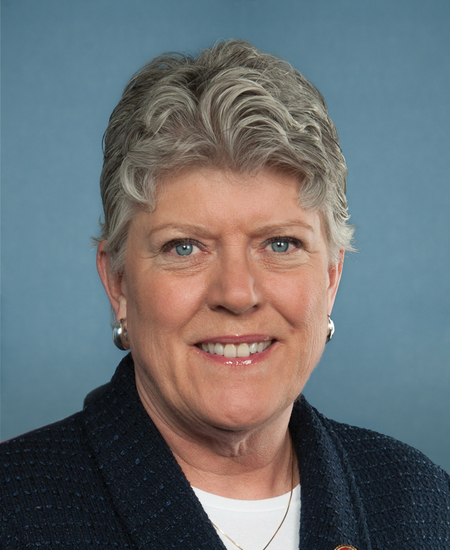
Rep. Julia Brownley
Sponsored bills
Maddy summaryHR 4516, the Saving Lives and Taxpayer Dollars Act, prohibits the U.S. government or its aid partners from destroying food, medicine, vaccines, or other foreign assistance commodities before they expire, requiring these items to be redirected to intended beneficiaries instead. The bill mandates that agencies like USAID, State, and Agriculture must make every effort to donate or sell expired aid items to those in need before disposal. It also requires annual reports to Congress detailing any expired, spoiled, or destroyed aid items, including reasons for not redirecting them and associated costs. This directly affects U.S. foreign aid agencies and their global partners, ensuring aid reaches people facing hunger, disease, or health crises rather than being wasted.
Maddy summaryHR 4486, the Microplastics Safety Act, requires the FDA (within the Department of Health and Human Services) to study the health impacts of microplastics in food and water. The study must identify major exposure pathways and examine effects on children's health, the endocrine system, cancer, chronic illness, and reproductive health. The FDA must submit a report to Congress within one year of the bill's enactment, detailing the study's findings and recommending potential legislative or administrative actions. This bill does not impose new regulations or bans but mandates a federal study to inform future policy decisions.
Maddy summaryHR 4485, the Climate-Friendly Food Label Task Force Act, establishes a USDA advisory panel to study how to create a voluntary climate-friendly certification for agricultural products. The panel, including scientists, environmental groups, industry representatives, and federal agencies like the EPA and FDA, must report within one year with recommendations on measuring lifecycle emissions, water use, and land effects. The bill prohibits the USDA from creating or promoting any climate-friendly label until this report is complete. This study aims to develop a market-based approach similar to the USDA Organic label, focusing on reducing agricultural emissions without mandating changes. The law does not create the certification itself but sets the process for future development.
Maddy summaryHCONRES 44 is a symbolic resolution recognizing a health and safety emergency for children linked to the Trump administration's climate policies. It claims these policies - unleashing fossil fuel production, blocking renewable energy, and suppressing climate science - disproportionately harm children through increased air pollution, extreme weather, and denied access to climate data. The resolution calls for reversing these policies, restoring the EPA's mission, and ensuring climate action aligns with protecting children's rights. It does not enact new laws or change policy, but serves as a formal congressional statement of concern.
Maddy summaryThis bill prohibits U.S. Immigration and Customs Enforcement (ICE) from using federal funds to detain or transport U.S. citizens during civil immigration enforcement actions. It directly affects ICE operations by blocking funding for any activity that would hold or move citizens outside the U.S. under immigration laws. The key mechanism is a specific funding restriction in the bill text, stating no funds may be used for detaining or transporting citizens. This applies to all civil immigration enforcement activities defined under the Immigration and Nationality Act. The bill does not create new enforcement powers but limits how existing funds can be spent.
Maddy summaryHR 4473, the BIRD Health Act of 2025, establishes a new U.S.-Israel bilateral program to fund joint research and development of health technologies. It directly affects U.S. and Israeli health institutions, companies, and academic organizations by providing $10 million annually (2026-2032) for collaborative projects in medical devices, telemedicine, diagnostics, pharmaceuticals, genomics, and infectious disease prevention. Key provisions include funding for R&D, commercialization support, health system strengthening, and joint manufacturing of biological products, with projects selected based on innovation, commercial potential, and partnership strength. The program will be administered by the existing BIRD Foundation under U.S. Health and Human Services oversight, aiming to accelerate health technology development and deployment through U.S.-Israel collaboration.
Maddy summaryThis bill establishes federal worker heat protection standards to prevent heat-related illness and injury. It requires employers to provide a workplace free from heat stress hazards, including access to cool water, scheduled rest breaks, shaded cooling areas, and training on heat illness symptoms. The Secretary of Labor must create these standards within one year, incorporating evidence-based practices like engineering controls (e.g., ventilation), administrative measures (e.g., adjusted schedules), and employer-paid personal protective equipment. The law directly affects all employers in high-heat work environments - such as construction, agriculture, and manufacturing - and strengthens whistleblower protections for workers reporting safety violations.
Maddy summaryHR 4440, the *Protecting Federal Employee Rights to Personnel Files Act of 2025*, requires federal agencies to provide current and former employees with copies of their official personnel files. Current employees must receive copies within seven days of requesting them, while employees who separated after the law's enactment get copies within seven days of separation. Former employees who separated before the law's enactment must receive copies within 21 days of requesting them from the Office of Personnel Management. The bill mandates these copies be provided in both electronic and physical formats, directly affecting all federal workers seeking access to their personnel records.
Maddy summaryThe Child Care for Working Families Act creates a federal program to provide affordable, high-quality child care for working families with children under age 6. It would provide direct child care assistance through certificates or grants to parents, with no copayment required for families at or below 85% of state median income. The program requires states to implement quality standards for child care providers, including a tiered quality system and minimum wage requirements for staff (at least a living wage equivalent to elementary educators). The bill appropriates $20 billion for the program over five years, with additional funding for quality improvement initiatives and universal preschool services.