

Maddy summaryHR 4396, the Uterine Cancer Study Act of 2025, mandates a study by the Department of Health and Human Services (HHS) into the potential link between chemical hair straighteners and uterine cancer, with a specific focus on higher incidence rates among women of color. The study will review existing research, examine impacts across all racial and ethnic groups, analyze different hair straightener types (including those with dyes or bleach), and assess whether the FDA should require additional safety testing for these products. HHS must submit its study methodology within 45 days of the bill's enactment, begin the study within 180 days, and deliver a final report to Congress within two years. This bill does not create new regulations but directs a specific research effort to gather evidence on a potential health concern. The study directly affects women, particularly women of color, who use hair straightening products and may face elevated uterine cancer risks.
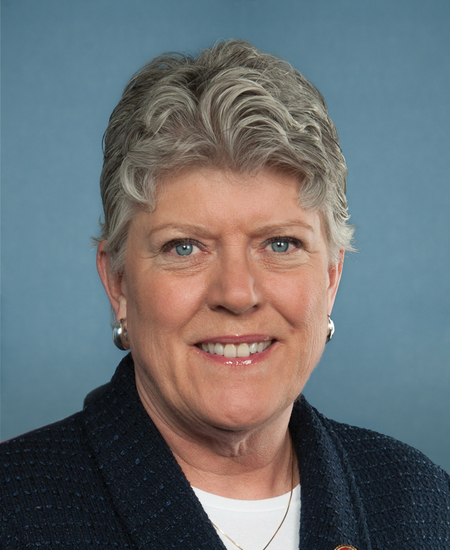
Rep. Julia Brownley
Sponsored bills
Maddy summaryThis bill directs the Department of Health and Human Services to significantly increase federal research funding for uterine fibroids ($30 million annually from 2026-2030), expand coordination of NIH research, and establish a Medicaid data system to track treatment access and costs. It mandates public education on fibroid symptoms, prevalence (especially among Black women, who face higher risk and severity), and non-hysterectomy treatment options. The bill also requires disseminating evidence-based provider resources on managing fibroids while preserving fertility. These provisions directly affect the estimated 26 million U.S. women with fibroids - particularly women of color - and aim to address the current lack of research and treatment data.
Maddy summaryHR 4382 authorizes the U.S. Mint to produce commemorative coins for the 2028 Los Angeles Olympics/Paralympics and 2034 Salt Lake City Winter Olympics/Paralympics. It specifies gold, silver, and half-dollar coin designs with defined mintage limits (e.g., up to 100,000 $5 gold coins for each event), all bearing inscriptions like "2028" or "2034" and standard coin features. A surcharge ($5-$50 per coin) is added to sales, with all funds directed to the respective Olympic committees to support event hosting and legacy programs like youth sports. The bill ensures no net cost to the government by requiring surcharge revenues to cover all design, production, and marketing expenses before funds are disbursed.
Maddy summaryHCONRES 42 is a symbolic congressional resolution recognizing the persistent wage gap between Black women and White, non-Hispanic men in the U.S. It highlights that Black women earn 66 cents for every dollar earned by White, non-Hispanic men working full-time year-round, with the gap taking over 200 years to close at current rates. The resolution emphasizes how this disparity - rooted in both racial and gender discrimination - impacts Black women’s ability to afford essentials like education, childcare, and housing. It does not create new laws or policies but formally acknowledges the issue on Black Women’s Equal Pay Day (July 10, 2025) and reaffirms support for equal pay.
Maddy summaryHRES 575 is a symbolic resolution designating July 10th as "Journeyman Lineworkers Recognition Day." It honors lineworkers who face significant risks daily - working at heights near live wires and responding to disasters like hurricanes and wildfires. The resolution specifically references Henry Miller, an early leader of the International Brotherhood of Electrical Workers, who died on July 10, 1896, while troubleshooting an outage. It encourages the public to recognize these workers' contributions but does not create new laws or allocate funding.
Maddy summaryHR 4336, the CBP SPACE Act, amends U.S. Customs and Border Protection (CBP) fee rules to allow adjustments in merchandise processing fees. This change directly affects CBP and sea ports of entry by enabling fee increases to cover capital costs like equipment upgrades, facility construction, and maintenance - previously limited to operational expenses. The bill requires CBP to submit annual reports detailing how fee proceeds are used for inspection facilities at sea ports, including specific funding allocations and outstanding infrastructure needs. It also prohibits CBP from requiring ports to provide administrative or training facilities for CBP operations. The law aims to improve transparency and funding for CBP's physical infrastructure at ports of entry.
Maddy summaryHR 4329, the Building Civic Bridges Act, creates an Office of Civic Bridgebuilding within the Corporation for National and Community Service to support projects reducing community divisions. It establishes a 3-year pilot grant program funding nonprofits, community groups, and schools to run projects that foster respect across diverse communities, address unmet needs like health or safety concerns, and improve social cohesion. Grants require projects to use research-based approaches, engage polarized communities, ensure participant safety, and track outcomes using standardized criteria. The program is funded exclusively through existing donations (not new federal funds) and mandates consultation with diverse community leaders and researchers. The Office will also compile research on civic bridgebuilding best practices for public access.
Maddy summaryThis bill requires online contact lens sellers to provide a secure electronic method for customers to transmit their contact lens prescriptions, directly affecting online retailers. It mandates that such electronic transmissions comply with HIPAA privacy rules and that any protected health information sent via email must be encrypted. The law updates existing rules to modernize prescription verification for online sales while maintaining privacy protections.
Maddy summaryHRES 564 is a non-binding House resolution calling on the U.S. government to prioritize the return of Ukrainian children abducted by Russia before any peace agreement is finalized. It cites 19,546 confirmed reports of unlawful child deportations to Russia or occupied territories as of April 2025, noting only 1,274 have been returned. The resolution condemns Russia's actions as violations of the Geneva Convention and Genocide Convention, including forced adoptions and Russification policies. It urges that all abducted children be returned prior to concluding peace talks, emphasizing this as a necessary condition for a just resolution to the war. The resolution does not create new law but expresses congressional position on a key issue in U.S. diplomatic efforts.
Maddy summaryHR 4251, the *Protecting Americans from Reckless Gun Dealers Act of 2025*, requires the Attorney General to submit annual reports to Congress detailing Bureau of Alcohol, Tobacco, Firearms, and Explosives (ATF) license inspections and enforcement actions against gun dealers. The reports must include monthly inspection counts, serious violations (like refusing inspections or straw sales), license revocations or surrenders, and reasons for not revoking licenses. It also mandates a GAO study evaluating ATF’s enforcement of firearm dealer licensing, focusing on systemic failures, geographic disparities, and revocation timelines. This bill directly affects gun dealers (licensees) and ATF operations by increasing transparency and accountability in license oversight.