

Maddy summaryThis bill updates Medicare's physician fee schedule to better align with current healthcare costs and support providers. It extends a key deadline for geographic payment adjustments from 2024 to 2025, increases the rate for payment adjustments from 1.25% to 3%, and extends incentive payments for doctors in alternative payment models (APMs) through 2026. For 2026, it imposes payment reductions (34% for 4-6 years in APMs, 67% for 7+ years) but allows exceptions if providers increased their financial risk compared to 2025. The bill also raises Medicare's budget neutrality threshold to $53 million in 2025 and requires regular updates to cost data (like staff wages and equipment prices) every five years. These changes directly affect Medicare-participating physicians, especially those in APMs, by altering payment calculations and incentives.
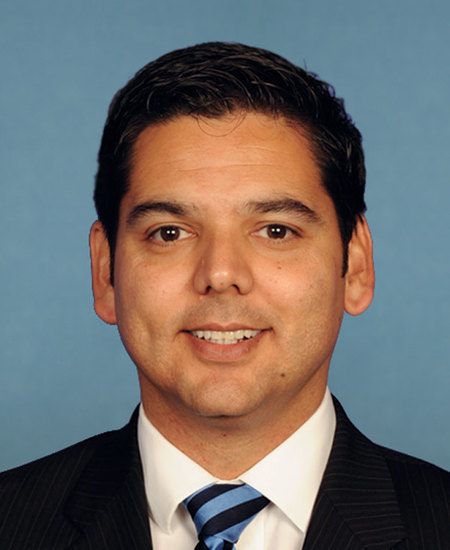
Rep. Raul Ruiz
Sponsored bills
Maddy summaryHR 6310 extends Medicare incentives for healthcare providers participating in new payment models that focus on quality and cost efficiency. It directly affects Medicare providers who use alternative payment systems, such as accountable care organizations. The bill modifies existing law to extend the period for these incentive payments from ending in 2025 to covering each year through 2027. This change ensures continued financial support for providers adopting these models during the extended timeframe.
Maddy summaryHR 5840, the Transportation Security Screening Modernization Act of 2024, simplifies the process for transportation workers to obtain multiple TSA security credentials. It requires the TSA to allow individuals to apply for and renew programs like the TWIC (Transportation Worker Identification Credential) and HAZMAT Endorsement through a single enrollment at any TSA center, with a combined fee lower than separate applications. The bill mandates coordinated expiration dates for all credentials and ensures state-issued commercial driver's licenses reflect the correct HAZMAT endorsement validity. These changes aim to reduce duplication and costs for workers needing multiple security clearances. The TSA must implement these changes within two years and publish details online.
Maddy summaryHR 5744, the Energy Innovation and Carbon Dividend Act of 2023, would impose a carbon fee on fossil fuels (crude oil, coal, and natural gas) based on their greenhouse gas emissions, starting at $15 per metric ton of CO2 equivalent in 2023 and increasing by $10 annually. The revenue from this fee would be distributed directly to American citizens as monthly "carbon dividends" through a new trust fund, with adults receiving full payments and children under 19 receiving half payments. The bill also establishes a border fee adjustment on imported carbon-intensive products to prevent companies from moving operations to countries with weaker environmental regulations. It sets specific emissions reduction targets: 8% annual reductions from 2025-2030 and 2.5% annual reductions from 2031-2050 relative to 2005 levels. The carbon fee would be phased out once emissions drop to 10% of 2005 levels and monthly dividends fall below $20 for three consecutive years.
Maddy summaryThis bill modifies tax rules for vaccines by adding new vaccines to the list of taxable vaccines under federal law. Specifically, it includes any vaccine placed on the Vaccine Injury Table under the Public Health Service Act, which determines eligibility for compensation for vaccine-related injuries. Manufacturers and distributors will need to account for these vaccines under the tax code once HHS adds them to the injury compensation list. The change affects tax reporting for these specific vaccines but does not alter vaccine access, costs, or the injury compensation program itself.
Maddy summaryHR 5008, the HEAL for Immigrant Families Act of 2023, would remove immigration status as a barrier to health insurance coverage for immigrants in the United States. The bill would make all lawfully present immigrants, including those with Deferred Action for Childhood Arrivals (DACA) status, eligible for Medicaid, CHIP, and Affordable Care Act health insurance subsidies. It would eliminate state-level restrictions on Medicaid eligibility for immigrants and allow individuals with federally authorized presence to access premium tax credits and cost-sharing reductions. This legislation aims to address health coverage disparities that disproportionately affect immigrant communities, particularly Black, Indigenous, Latinx, and other communities of color.
Maddy summaryHR 4837 provides federal grants to states to fund scholarship programs for health profession students (including doctors, nurses, dentists, and mental health providers) who commit to working in underserved areas. Students receiving these scholarships cover tuition, fees, and living costs in exchange for a service requirement: working one year in a designated health professional shortage area or medically underserved community for each year of scholarship support. The bill also authorizes grants for medical schools to strengthen primary care mentorship programs and develop new training competencies like chronic disease management and cultural competency. It mandates annual reporting on scholarship outcomes and includes a study on reducing documentation burdens for physicians under Medicare and Medicaid.
Maddy summaryThe Social Security 2100 Act would significantly enhance Social Security benefits for millions of Americans by increasing monthly payments for retirees, disabled workers, widows/widowers, and children. Key provisions include raising the minimum benefit for long-term low earners, improving cost-of-living adjustments using a more accurate index, eliminating the 5-month waiting period for disability benefits, and extending child benefits to age 26. The bill also changes how Social Security taxes are calculated by applying them to income above $400,000 and establishes a unified Social Security Trust Fund to manage program finances. Most provisions would apply to benefits payable from 2025 through 2034, affecting all current and future Social Security beneficiaries.
Maddy summaryThis bill mandates an interagency review by the Department of Health and Human Services (with Defense and Veterans Affairs) to address lung cancer disparities affecting women. It requires a report evaluating research gaps, improving access to lung cancer screening (especially for underserved groups), and developing public awareness campaigns about early detection. The review will focus on factors like environmental exposures, genomic differences, and treatment responses specific to women, particularly those who never smoked. The report must be submitted to Congress within one year of enactment. This directly affects women at risk of lung cancer, including those with non-smoking-related cases.
Maddy summaryThis bill expands Medicare coverage to include home infusion treatment for people with Alpha-1 Antitrypsin Deficiency Disorder, a genetic condition causing lung and liver damage. It specifically covers "augmentation therapy" (a standard treatment using Alpha-1 Proteinase Inhibitor) when administered in a patient's home by qualified providers. Medicare will pay 80% of the cost for intravenous kits and up to 2 hours of nursing care during these home infusions, starting January 1, 2025. The change directly affects Medicare beneficiaries with this condition who require home-based treatment and their qualified home infusion providers.