

Maddy summaryHR 10506, the Mobile Cancer Screening Act, authorizes $15 million annually (2026-2030) to fund mobile cancer screening units that expand access to early detection in rural and underserved communities. The bill provides grants of up to $2 million per recipient to eligible entities like nonprofit hospitals, health centers, and academic institutions for purchasing vehicles, imaging technology, and digital tools. Grantees must cover at least one-third of costs through non-Federal funds and prioritize areas with high cancer mortality, rural populations, and Indian Health Service regions, while ensuring follow-up care within 90 minutes. The program requires a 4-year report to Congress tracking patient demographics, screening rates, and outcomes to evaluate impact.
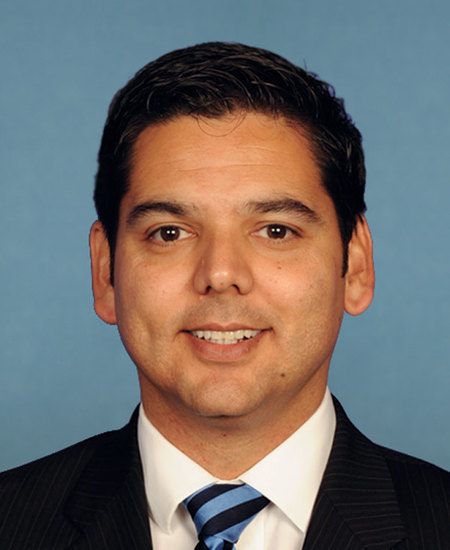
Rep. Raul Ruiz
Sponsored bills
Maddy summaryThis bill extends Medicare payment adjustments for physicians and other practitioners through 2025 instead of ending in 2024. It specifically adds a 4.73% payment increase for services provided between January 1, 2025, and January 1, 2026. The legislation modifies existing Medicare payment rules to stabilize practice revenues during transition periods. It directly affects doctors and healthcare providers who bill Medicare for patient services. The key change is the extended timeframe and the defined 4.73% rate for the 2025-2026 period.
Maddy summaryThis bill increases penalties for group health plans and health insurance issuers that violate balance billing requirements, raising fines from $100 to $10,000 per violation for specific provisions. It also imposes new penalties for late payment or non-payment after an Independent Dispute Resolution (IDR) determination, requiring plans to pay three times the difference between the initial payment and the out-of-network rate, plus interest. The bill mandates transparency reporting where the Secretary must annually report on audits conducted, enforcement actions taken, and civil penalties issued. These provisions apply to both standard health coverage and air ambulance services, aiming to strengthen enforcement of balance billing rules.
Maddy summaryThis bill makes permanent Medicare telehealth flexibilities for Indian health programs and urban Indian organizations. It allows patients in tribal communities to receive covered telehealth services from home (not just medical facilities) and expands coverage to include audio-only visits starting January 1, 2025. The policy directly affects tribal health providers, urban Indian organizations, and Medicare beneficiaries living in tribal communities who rely on these services. These changes ensure consistent access to telehealth care under Medicare without requiring physical clinic visits for eligible patients.
Maddy summaryThe Patient Debt Relief Act requires Medicare-participating hospitals to establish clear financial assistance policies by January 2026, including publicly available eligibility criteria and 30-day pre-payment screening for charity care. It prohibits hospitals from placing home liens, garnishing wages, or selling debt to collectors without offering income-based repayment plans (capping payments at 4% of gross monthly income) and eliminates interest for patients earning under 250% of the poverty line. Hospitals failing to comply face civil penalties up to $1 million per violation. The bill also creates a $100 million grant program to fund nonprofits that discharge medical debt for individuals meeting income thresholds (5% of income or under 400% of poverty line), with quarterly reporting requirements. These provisions apply directly to hospitals and low-income patients with medical debt.
Maddy summaryThis bill aims to increase participation in clinical trials among underrepresented populations - including racial/ethnic minorities, rural residents, and other historically excluded groups - by addressing financial and logistical barriers. It creates federal grants to fund community outreach, training for diverse clinical trial staff, and partnerships with community organizations. The bill also allows sponsors to cover participants' out-of-pocket costs (like travel and meals) and provide necessary digital tools without violating fraud laws, while making such payments tax-free up to $2,000 per year. These changes directly affect drug/device manufacturers, clinical trial sites, and underserved communities seeking equitable access to medical research.
Maddy summaryThis bill amends the Agricultural Adjustment Act to clarify that "dates" (the fruit) are included under marketing orders for processing, removing an existing exception that previously excluded them. It directly affects date growers and processors who operate under these agricultural marketing orders. The key change ensures dates are treated the same as other agricultural products for regulatory purposes under the specified marketing rules. This is a technical clarification to the existing law, not a new policy.
Maddy summaryThis bill, the EMPSA Act (Eliminating the Marriage Penalty in SSI Act), changes Social Security Income (SSI) rules for married adults with intellectual or developmental disabilities. It directly affects married individuals aged 18+ who have these disabilities and meet income and resource limits. The key change removes the "marriage penalty" by ensuring their spouse’s income and resources no longer count against their SSI eligibility or benefit amount, allowing them to receive the full individual benefit rate. This update modifies specific sections of the Social Security Act to eliminate the previous disadvantage faced by married couples under these disability conditions.
Maddy summaryThis bill, HR 6860, protects patients with end-stage kidney disease (ESRD) who require dialysis by preventing health insurance plans from discriminating against them. It amends Medicare rules to prohibit plans from treating dialysis coverage differently than other medical services based on a patient’s ESRD diagnosis, need for dialysis, or any other factor. The bill clarifies that plans can still choose which dialysis providers to include in their networks but cannot deny or limit coverage for dialysis services solely because of the patient’s condition. It ensures Medicare remains the secondary payer for these services as intended, without forcing plans to cover specific providers.
Maddy summaryHR 6801, the RPM Cost Sharing Elimination Study Act of 2023, eliminates cost-sharing (like copays) for remote physiologic monitoring (RPM) services under Medicare. It directly affects Medicare beneficiaries who use RPM devices (e.g., for heart or diabetes monitoring) by making these services 100% covered under both Original Medicare and Medicare Advantage plans starting January 1, 2024. The bill requires the Health and Human Services Secretary to report by June 2026 on how eliminating cost-sharing impacted patient health outcomes and Medicare costs. This is a temporary measure (2024-2025) designed to study the effects before potential permanent changes.