

Maddy summaryThis bill modifies Medicare's rules for clinical laboratory testing to reduce administrative burdens. It requires the use of statistically valid sampling (instead of full reporting) for "widely available" tests - defined as tests costing under $1,000 per test with over 100 labs performing them - to determine payment rates starting in 2026. The bill also delays reporting deadlines until 2027, updates how labs are defined for payment purposes, and adds annual payment increase caps (2.5% for common tests in 2024-2025, rising to 5% by 2028). These changes directly affect Medicare-participating labs, particularly independent and hospital-based labs conducting common tests.
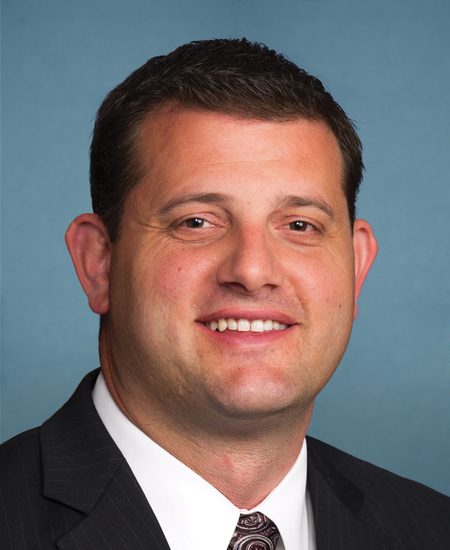
Rep. David G. Valadao
Sponsored bills
Maddy summaryThis bill expands Medicare Part B coverage to include specific pharmacist services, directly affecting Medicare beneficiaries and pharmacists who provide these services. It adds new coverage for pharmacist evaluations and treatments related to certain illnesses (like COVID-19, flu, or strep throat) and public health emergencies, requiring payment at 80% of the lesser of actual charge or 85% of physician payment rates (100% during emergencies). The bill also prohibits balance billing for these services, ensuring beneficiaries pay only the standard Medicare copayment. These changes aim to improve access to pharmacist care during health crises while aligning payment with existing physician service frameworks.
Maddy summaryHR 1666 extends deadlines for ambulance service reimbursement rules under Medicare. It amends Section 1834(l) of the Social Security Act by changing dates from 2025 to 2028 in two specific provisions: paragraph (12)(A) and paragraph (13)(A). This delay gives ambulance providers additional time to adjust to existing Medicare payment rules. The bill directly affects Medicare-certified ambulance services and the patients relying on ground ambulance care covered by Medicare.
Maddy summaryThe Prevent Interruptions in Physical Therapy Act of 2023 amends Medicare rules to allow physical therapists to use temporary replacement providers (locum tenens) for outpatient physical therapy services, aligning with existing provisions for physicians. This directly affects Medicare beneficiaries receiving physical therapy and physical therapy practices needing temporary staffing solutions during provider shortages. The bill updates the Social Security Act to extend the current physician locum tenens rule to physical therapists, ensuring continuity of care without requiring separate approval for temporary coverage. It applies to services furnished after the bill's enactment date.
Maddy summaryThe HELLPP Act (HR 1634) amends Medicaid to recognize doctors of podiatric medicine (podiatrists) as physicians, enabling them to be reimbursed for services under Medicaid starting January 1, 2024. It also clarifies Medicare’s documentation requirements for therapeutic shoes for people with diabetes, mandating specific written certifications from a managing physician and a podiatrist to confirm medical necessity. These changes directly affect patients with foot conditions, especially those with diabetes, by improving access to podiatrist-provided care and coverage for therapeutic shoes. The bill includes a separate provision strengthening Medicaid program integrity through continuous levies on provider payments, but this does not alter patient coverage. All key provisions take effect on January 1, 2024.
Maddy summaryThis bill makes permanent Medicare coverage for cardiac and pulmonary rehabilitation services delivered via telehealth in patients' homes, which were temporarily allowed during the pandemic. It removes geographic restrictions that previously required in-person visits or limited services to specific locations like clinics. The change directly affects Medicare beneficiaries needing heart or lung rehabilitation and healthcare providers offering these programs. It ensures home-based telehealth visits for cardiac, intensive cardiac, and pulmonary rehabilitation receive the same coverage as in-clinic services under Medicare.
Maddy summaryThis bill repeals specific provisions from the Affordable Care Act and its 2010 amendment that restricted certain physician referrals to hospitals under Medicare. It directly affects hospitals and physicians who previously faced limitations on referring Medicare patients to facilities they owned or had financial ties with. The key mechanism restores the original rules that allowed such referrals without the prior restrictions, effectively undoing the 2010 changes. This is a procedural change to existing law, not a new policy.
Maddy summaryHR 549, the Metastatic Breast Cancer Access to Care Act, removes waiting periods for disability and Medicare coverage for people diagnosed with metastatic breast cancer. Specifically, it amends Social Security Act sections to allow immediate eligibility for disability insurance benefits (eliminating the standard waiting period) and immediate Medicare coverage (waiving the 24-month waiting period) for these patients. The bill directly affects individuals with metastatic breast cancer who would otherwise face delays in accessing critical benefits. These changes apply to applications filed or benefits beginning after the bill's enactment date. The law makes no other policy changes beyond these specific eligibility adjustments.
Maddy summaryHR 1586, the Forest Protection and Wildland Firefighter Safety Act of 2023, exempts certain fire suppression activities from requiring permits under the Clean Water Act. It directly affects federal agencies like the Forest Service, National Park Service, and Bureau of Land Management, as well as state, local, and tribal governments conducting wildfire response. The bill's key provision removes the need for a Section 402 permit under the Clean Water Act when these covered entities discharge fire retardants, chemicals, or water for fire control or prevention. This change streamlines firefighting operations by eliminating a specific permitting step during active wildfire events.
Maddy summaryThis bill requires the Congressional Budget Office (CBO) to provide at least two annual updates to the budget baseline, with one update including the economic data used in its calculations. It also mandates that the President submit technical budget data to Congress by February 1 each year, covering current/prior year estimates and credit reestimates for the upcoming fiscal year. These updates aim to improve the timeliness and transparency of budget information available to Congress. The bill directly affects the CBO and the Executive Branch in their annual budget reporting processes.