

Maddy summaryThis bill, the Legislative Branch Appropriations Act, 2026, provides funding for the U.S. Congress and its related entities to operate during fiscal year 2026. It allocates specific amounts for House and Senate operations, including salaries for members and staff, Capitol Police, Library of Congress, and other congressional offices. The bill includes provisions restricting the use of funds for certain telecommunications equipment linked to specific foreign entities and establishes requirements for how funds can be spent, such as limiting vehicle leasing expenses. This routine appropriations bill ensures the legislative branch has necessary resources to carry out its duties without enacting new policy changes.
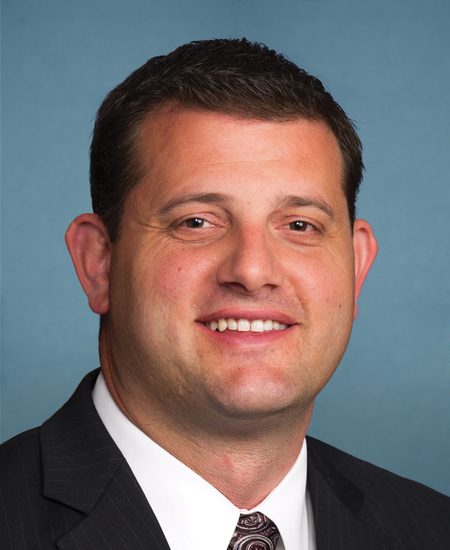
Rep. David G. Valadao
Sponsored bills
Maddy summaryHRES 516 is a formal resolution condemning the violent riots that occurred in Los Angeles, California, on June 6, 2025. It specifically addresses acts of arson, looting, property destruction, and attacks on law enforcement officers during protests related to federal immigration enforcement actions. The resolution does not create new laws or policies but expresses the House’s condemnation of the violence, calls on local and state leadership to collaborate with federal authorities to restore order, and thanks law enforcement agencies for their response. This is a symbolic statement with no direct impact on affected individuals or new legislative mechanisms.
Treat and Reduce Obesity Act of 2025 This bill expands Medicare coverage of intensive behavioral therapy for obesity. Specifically, the bill allows coverage for therapy that is provided by (1) a physician who is not a primary care physician; or (2) other health care providers (e.g., physician assistants and nurse practitioners) and approved counseling programs, if provided upon a referral from, and in coordination with, a physician or primary care practitioner. Currently, such therapy is covered only if provided by a primary care practitioner. The bill also allows coverage under Medicare's prescription drug benefit of drugs used for the treatment of obesity or for weight loss management for individuals who are overweight.
Maddy summaryThe CONNECT for Health Act of 2025 expands Medicare telehealth coverage by removing geographic restrictions that limited where patients could receive care, expanding the types of health care providers who can offer telehealth services, and eliminating the requirement for an in-person visit before receiving telemental health services. The bill includes specific provisions to support telehealth use for Native American health facilities, rural health clinics, and Federally Qualified Health Centers. It requires the Centers for Medicare & Medicaid Services to collect and publish data on telehealth usage and impacts, and to develop resources to improve accessibility for people with disabilities and limited English proficiency. Program integrity measures are added to monitor telehealth billing practices and prevent fraud while maintaining coverage for telehealth services during public health emergencies.
Maddy summaryHR 4132, the Prescription Information Modernization Act of 2025, allows drug manufacturers to provide FDA-approved prescribing information for prescription drugs exclusively through electronic means, while requiring them to offer paper copies at no additional cost upon request by prescribers or dispensers. The bill directly affects drug manufacturers, doctors, pharmacists, and other healthcare professionals who rely on prescribing information. Key provisions include mandating that manufacturers give prescribers/dispensers the choice to continue receiving paper copies or request them as needed, and requiring the HHS Secretary to issue implementing regulations within one year to support this transition. The law takes effect two years after enactment or when final regulations are issued, whichever comes first.
Maddy summaryHR 3983, the Veterans Claims Quality Improvement Act of 2025, aims to reduce errors in processing veterans' benefit claims by implementing new oversight and training requirements. The bill requires the VA to notify employees who cause avoidable delays in claims processing, study inconsistent legal opinions from the VA's Office of General Counsel, and create a quality assurance program for the Board of Veterans' Appeals to track errors and improve decision quality. It mandates annual reports on claim remand reasons and establishes training for Board members on timely and accurate claim reviews. These changes directly affect VA employees handling claims and the Board of Veterans' Appeals, focusing on correcting administrative errors rather than altering benefit eligibility.
Maddy summaryThe Veterans Appeals Efficiency Act of 2025 requires the Department of Veterans Affairs to track and report on key aspects of the appeals process, including average claim processing times after remand and reasons for case dismissals. It mandates the creation of guidelines for advancing cases on the Board's docket and authorizes the Board to aggregate appeals with common legal or factual issues to improve efficiency. The bill also expands the Court of Appeals' jurisdiction to handle class action claims and requires a study on common legal questions to help the Board make more consistent decisions. These changes aim to reduce delays and improve the accuracy of benefits decisions for veterans seeking appeals.
Maddy summaryThis bill modernizes the process for family caregivers of veterans seeking support services. It requires the VA to create a single digital system for all employees handling caregiver applications and appeals, replacing current fragmented systems. Crucially, it ensures that if a veteran dies during an appeal, the family caregiver automatically receives any monthly stipends they were entitled to on the veteran's death date, including unpaid amounts. These changes directly affect family caregivers of veterans who qualify for VA support services, streamlining access to benefits and ensuring continuity of payments during appeals.
Maddy summaryThe Autism Family Caregivers Act of 2025 creates a 5-year pilot program funding grants to community organizations for free, evidence-based skills training for family caregivers of children (ages 0-9) with autism spectrum disorder or other developmental disabilities or delays. The program requires training in communication, social engagement, daily living skills, and caregiver self-care strategies, with emphasis on cultural competence and coordination with local health, education, and community services. Grants must support at least 25 organizations across 15+ states, using $10 million annually (2026-2030), and mandate stakeholder committees including caregivers and local providers. It directly affects families caring for young children with these conditions by expanding access to structured support, while requiring programs to supplement - rather than replace - existing Medicaid, education, or insurance-covered services.
Maddy summaryThis bill adds specific Medicare coverage for treatments of dialysis-related amyloidosis, a condition affecting some long-term dialysis patients. It defines these treatments as FDA-approved items/services provided in dialysis facilities, including necessary adjunct supplies. Medicare will pay 100% of reasonable charges for these treatments separately, outside standard dialysis payment bundles. This directly affects Medicare beneficiaries receiving these specific treatments at approved dialysis facilities.