

Maddy summaryThis bill proposes a constitutional amendment that would grant Congress the power to pass laws banning the physical desecration of the U.S. flag (such as burning, trampling, or defacing it). If ratified, it would directly affect individuals who engage in such acts by making them subject to federal criminal penalties under new laws Congress could create. The amendment would add a specific clause to the Constitution stating: "Congress shall have power to prohibit the physical desecration of the flag of the United States." Ratification would require approval by 3/4 of state legislatures within seven years of submission.
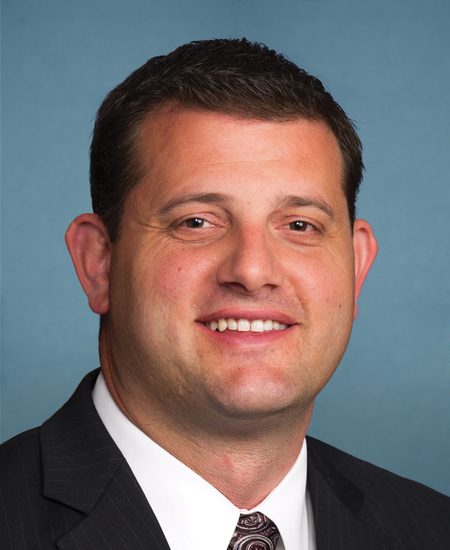
Rep. David G. Valadao
Sponsored bills
Maddy summaryHR 3946, the FIGHT Act of 2025, amends the Animal Welfare Act to specifically prohibit gambling on animal fighting events and restrict the interstate transport of roosters used in such ventures. It defines "rooster" as male chickens over six months old and makes it unlawful to sponsor, exhibit, attend (for those under 16), or gamble on animal fighting events - whether in-person or broadcast. The bill creates a civil enforcement mechanism allowing any person to file a lawsuit to stop violations after providing 60 days' notice to authorities, with potential fines up to $5,000 per violation. It also establishes seizure of property used to facilitate violations and clarifies that state laws on animal fighting remain in effect unless directly conflicting with federal provisions.
Maddy summaryThe STOP CSAM Act of 2025 would strengthen protections for child victims and witnesses in federal court by creating a new definition of "covered person" to include minors under 18 who are victims or witnesses of abuse, exploitation, or kidnapping. The bill requires internet service providers to report apparent child sexual exploitation to the CyberTipline within 60 days, with civil penalties of $50,000-$250,000 per violation and criminal fines up to $1 million for non-compliance. It also creates new civil remedies allowing victims to sue platforms that host or promote child sexual exploitation, with minimum $300,000 in damages. Additionally, large platforms would be required to submit annual reports to the Attorney General and FTC detailing their safety measures and child exploitation on their platforms.
Maddy summaryHRES 496 is a non-binding House resolution condemning violent riots in Los Angeles that occurred on June 6, 2025. It specifically addresses protests that turned violent after immigration enforcement actions, including arson, vandalism, attacks on officers, and burning American flags. The resolution recognizes the right to peaceful protest while unequivocally condemning violence against law enforcement and urging local/state leaders to collaborate with federal authorities to restore order. It also expresses gratitude to law enforcement agencies for protecting communities during the unrest. As a symbolic statement, it does not create new laws or directly affect any individuals or entities.
Maddy summaryThe National Prescribed Fire Act of 2025 aims to increase the use of prescribed fire (intentionally set, controlled burns) on federal lands to reduce wildfire risk and improve forest health. The bill allows federal land management agencies to use up to 15% of their hazardous fuels management funds for prescribed fire projects, requires a 10% annual increase in acres treated with prescribed fire, and establishes a Collaborative Prescribed Fire Program to fund large-scale, landscape-level projects. It streamlines environmental reviews through landscape-scale planning, addresses liability protections for fire managers, and mandates annual reporting on prescribed fire activities. The bill directly affects federal land management agencies (Interior and Agriculture), states, tribes, and local entities working on fire management.
Maddy summaryHR 3885, the Community TEAMS Act of 2025, creates a new grant program to expand medical student clinical training in rural and medically underserved communities. It provides funding for consortia of medical schools partnered with rural health clinics, community health centers, or facilities in underserved areas to support student rotations in outpatient settings. The grants, lasting 1-5 years, require applicants to detail project plans, sustainability, and how the program will improve community access to healthcare. This directly affects medical students, training facilities, and residents of high-need areas by aiming to build a sustainable physician workforce in those locations.
Maddy summaryThe SKIM Act (HR 3810) increases penalties for fraud involving counterfeit access devices like credit cards. It requires the U.S. Sentencing Commission to raise fraud offense levels by 4 points (minimum level 14) and count all unauthorized charges from 10+ counterfeit devices toward total losses. The bill also mandates a 90-day report to Congress from the Attorney General and DHS, detailing law enforcement coordination, fraud technologies, assistance requests, and recommendations for combating such fraud. This directly affects federal courts (through sentencing changes), law enforcement agencies, and businesses vulnerable to access device fraud.
Maddy summaryHR 3762, the Supporting Healthy Moms and Babies Act, requires health insurance plans to cover comprehensive prenatal, childbirth, neonatal, perinatal, and postpartum care without cost-sharing (like copays or deductibles). It mandates specific services including ultrasounds, care for pregnancy loss, delivery support, and postpartum behavioral health services for conditions like diabetes or hypertension. The bill applies to group health plans and individual insurance policies starting after the law's enactment, covering both biological mothers and legal parents who did not give birth. This policy directly affects insured individuals seeking maternal and newborn healthcare, ensuring these essential services are fully covered under existing Affordable Care Act requirements.
Maddy summaryHR 649, the Whole Milk for Healthy Kids Act of 2025, amends the National School Lunch Act to allow schools participating in the program to offer students both organic and non-organic whole milk, in addition to reduced-fat, low-fat, and fat-free options. Key provisions include clarifying that milk fat in whole milk should not count toward saturated fat limits for meal compliance, prohibiting schools from purchasing milk from Chinese state-owned enterprises, and ensuring schools cannot be barred from offering the full range of milk types listed. The bill directly affects public and private schools serving the National School Lunch Program by expanding their milk options for students. It focuses on concrete policy changes to dietary offerings and sourcing restrictions within the school nutrition program.
Maddy summaryThis bill amends the WIC program to replace "drug abuse" with "substance use disorder" throughout its provisions, directly affecting WIC participants who may have substance use disorder. Key mechanisms include creating new nutrition education materials for pregnant individuals with substance use disorder and infants affected by prenatal exposure, establishing an online clearinghouse for these resources, and authorizing $1 million for fiscal year 2026. The changes aim to provide evidence-based, non-judgmental support through updated program materials and outreach. The bill specifically targets WIC participants impacted by substance use disorder, not broader population changes.