

Maddy summaryHRES 1300 is a non-binding House resolution condemning campus protests and the groups organizing them. It specifically targets protesters at universities like Columbia and George Washington for actions including blocking classes, using antisemitic rhetoric, and defacing U.S. flags with Palestinian flags. The resolution condemns organizations like Students for Justice in Palestine and George Soros for funding these protests, and calls for an investigation into foreign adversaries involved. It also urges politicians to reject contributions from groups supporting anti-American or antisemitic demonstrations. The resolution does not create new laws but expresses the House's position on campus protests.
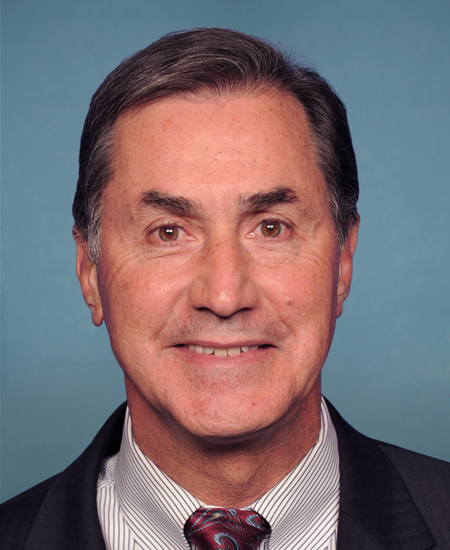
Rep. Gary J. Palmer
Sponsored bills
Maddy summaryThis resolution (HRES 1285) is a symbolic statement by a group of House members condemning the Biden administration's approach to mifepristone (the abortion pill), specifically the 2023 FDA decision allowing mail-order and pharmacy dispensing of the drug without in-person provider visits. It argues this policy eliminates safety safeguards like in-person ultrasounds to detect ectopic pregnancies, gestational age checks, and provider screening for coercion, potentially increasing health risks for patients. The resolution does not change any laws or policies but expresses disapproval of the FDA’s regulatory changes regarding mifepristone distribution. As a non-binding resolution, it has no legal effect on abortion access or drug regulations.
Maddy summaryHRES 1280 is a ceremonial resolution commending the University of South Alabama (USA) on its 60th anniversary. It recognizes USA’s educational, research, and healthcare contributions as the Gulf Coast’s flagship institution, highlighting its growth from 276 students in 1964 to over 13,500 today. The resolution has no legal effect or policy changes - it simply expresses congressional appreciation and directs copies to USA leadership, including the university president and health system executives. This is purely symbolic, with no funding, regulations, or new obligations.
Maddy summaryHJRES 166 is a joint resolution seeking congressional disapproval of a Department of Labor rule that would have changed overtime exemption standards for certain salaried workers. The rule, published in April 2024, aimed to redefine how executive, administrative, professional, outside sales, and computer employees are classified for overtime pay under federal law. If enacted, this resolution would block the rule from taking effect, preserving the existing classification system for these workers.
Maddy summaryHJRES 152 is a congressional resolution seeking to block an Environmental Protection Agency (EPA) rule on managing coal ash waste from power plants, specifically for older disposal ponds (legacy CCR surface impoundments). The rule, published on May 8, 2024, established requirements for electric utilities to handle coal ash, including safety standards for existing disposal sites. If passed, this resolution would prevent the EPA rule from taking effect, removing the compliance requirements for utilities. This directly affects electric utilities that manage coal ash and the EPA's regulatory authority over waste disposal practices.
Maddy summaryThis bill amends federal law to require the Bureau of Labor Statistics (BLS), not just the Secretary of Labor, to determine prevailing wage rates for workers on federal contracts. It directly affects federal contractors who must pay these rates and the BLS, which will now conduct the wage surveys. The key change specifies that the BLS must use surveys employing proper random statistical sampling techniques to establish these wage rates. This ensures the wage determinations are based on statistically valid data rather than other methods.
Maddy summaryHJRES 151 is a congressional disapproval resolution targeting an Environmental Protection Agency (EPA) rule that would have set new water pollution standards for steam electric power plants, including coal and nuclear facilities. The rule, published in the Federal Register on May 9, 2024, aimed to limit pollutants discharged into waterways from these power plants. If passed, this resolution would block the rule from taking effect under the Congressional Review Act. It directly affects steam electric power plants by preventing the implementation of these new environmental requirements.
Maddy summaryHJRES 138 is a joint resolution seeking congressional disapproval of a Centers for Medicare & Medicaid Services (CMS) rule that would have clarified eligibility for health insurance subsidies under the Affordable Care Act for Deferred Action for Childhood Arrivals (DACA) recipients and certain noncitizens. The rule, submitted on May 8, 2024, aimed to allow these individuals to access premium tax credits, cost-sharing reductions, and health plans through ACA marketplaces. This resolution, if enacted, would block the rule from taking effect under the Congressional Review Act, directly preventing DACA recipients and the specified noncitizens from qualifying for these benefits. The bill does not create new policy but halts an existing regulatory clarification.
Maddy summaryHR 8459, the Stopping Traffickers and Their Accomplices Act of 2024, requires abortion providers to notify the National Human Trafficking Hotline within 24 hours if they reasonably suspect a patient is a trafficking victim. It mandates annual staff training on identifying trafficking victims and submitting certification of training completion. Violations carry penalties: $10,000 per failure to report or $1,000 per day for training noncompliance. The bill directly affects abortion providers and facilities, imposing new reporting obligations without creating a right to abortion or requiring victims to self-report. State attorneys general may also sue providers for violations.
Maddy summaryHR 7530, the DC CRIMES Act of 2024, changes the definition of "youth offender" in Washington, D.C., to include only individuals 18 years or younger, removing those aged 18-24 from juvenile court jurisdiction. It requires the D.C. Attorney General to create a public website displaying monthly, detailed statistics on juvenile arrests and court outcomes - including breakdowns by age, race, crime type, prior offenses, and sentencing - while prohibiting personally identifiable information. The bill also prohibits the D.C. Council from changing criminal sentencing laws during its implementation period. These provisions directly affect D.C. youth aged 18-24 who would now face adult court for certain offenses and ensure greater public transparency around juvenile justice data.