

Maddy summaryH.J.Res. 174 seeks congressional disapproval of an Environmental Protection Agency (EPA) rule that established standards for managing coal combustion residuals (CCR), specifically old coal ash ponds at power plants. The bill would block the EPA's rule, which was published in the Federal Register on May 8, 2024, from taking effect. If approved, the rule - which sets requirements for safely handling legacy CCR surface impoundments - would have no legal force. This resolution directly affects electric utilities that manage coal ash waste, as it aims to prevent the EPA's regulatory requirements from applying to them.
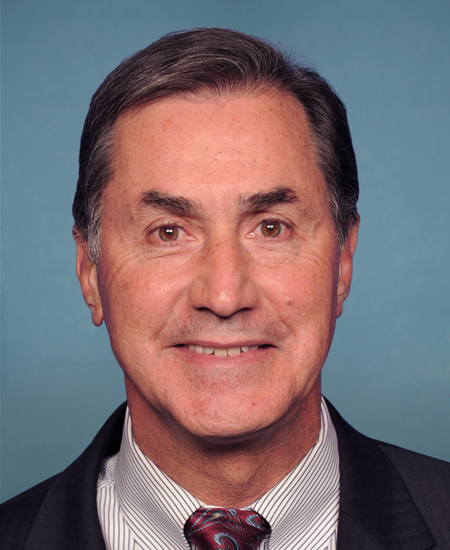
Rep. Gary J. Palmer
Sponsored bills
Maddy summaryHJRES 175 is a procedural resolution seeking to block a Department of Energy rule that updated eligibility rules for the Advanced Technology Vehicles Manufacturing Program. The resolution, if passed, would prevent the rule (published April 29, 2024) from taking effect by disapproving it under the Congressional Review Act. It does not change the program itself but targets a specific regulatory update related to how auto manufacturers qualify for support. The resolution directly affects the rule’s implementation but not the program’s beneficiaries or operations. This is a formal congressional disapproval step, not a substantive policy change.
Maddy summaryHJRES 172 is a joint resolution seeking congressional disapproval of an Environmental Protection Agency (EPA) rule that established updated national emission standards for hazardous air pollutants from coal- and oil-fired power plants. The resolution, if passed, would block the EPA rule (published May 7, 2024) from taking effect, directly affecting coal- and oil-fired electric utility steam generating units. It uses the procedural mechanism under Chapter 8 of Title 5, U.S. Code, which allows Congress to formally reject agency regulations. This disapproval would prevent the EPA's rule from being implemented, halting its requirements for these power plants to reduce hazardous air pollutant emissions.
Maddy summaryHJRES 178 is a congressional resolution that would block a specific rule issued by the Department of Commerce. The rule, published in 2023, aimed to prevent improper use of funds from the CHIPS Act (which provides federal support for semiconductor manufacturing). This resolution directs Congress to formally disapprove that rule, meaning the rule would have no legal effect and would not restrict how CHIPS Act funds are used. It directly affects companies and organizations receiving CHIPS Act funding by removing this administrative requirement.
Maddy summaryHJRES 179 is a resolution seeking to block a Treasury Department rule that set new requirements for clean vehicle tax credits. The rule, issued May 6, 2024, would have restricted tax credits for electric vehicles using batteries containing critical minerals sourced from certain foreign companies linked to national security concerns. This resolution would nullify the rule under the Congressional Review Act, preventing it from taking effect. It directly affects consumers seeking tax credits on electric vehicles and manufacturers selling vehicles subject to these new sourcing rules.
Maddy summaryH.J. Res. 176 is a resolution seeking to disapprove a Department of Energy rule that established new energy efficiency standards for miscellaneous refrigeration products, such as commercial refrigerators and freezers. The rule, published in the Federal Register on May 7, 2024, would have required manufacturers to meet specific energy conservation requirements for these products. If passed, this resolution would block the rule from taking effect, preventing the Department of Energy from enforcing these standards. It directly affects the manufacturers of covered refrigeration products and the Department of Energy's regulatory authority.
Maddy summaryHJRES 177 is a congressional resolution seeking to disapprove an Environmental Protection Agency (EPA) rule that established new greenhouse gas emission standards for new power plants, guidelines for existing power plants, and repealed a previous rule (the Affordable Clean Energy Rule). If passed, this resolution would nullify the EPA rule (published in the Federal Register on May 9, 2024), preventing it from taking effect. The resolution directly affects the EPA's regulatory authority over emissions from fossil fuel-fired power plants. It does not create new policy but seeks to block an existing agency regulation through the congressional disapproval process.
Maddy summaryHJRES 173 is a resolution that seeks to block a Department of Energy rule establishing new energy efficiency standards for consumer water heaters. The rule, published in the Federal Register on May 6, 2024, would have required water heater manufacturers to meet updated conservation requirements. If passed, this resolution would prevent the rule from taking effect, meaning current efficiency standards would remain unchanged. It directly affects manufacturers who would have faced new compliance requirements, but does not alter existing standards or consumer obligations.
Maddy summaryHR 8903, the UPRISERS Act, would revoke the student visas of international students on F, J, or M visas who are convicted of assaulting a police officer or participating in riot-related violence. It specifically targets offenses like inciting riots, organizing riots, committing violence during riots, or aiding others in such activities. The bill amends immigration law to make these convictions grounds for visa revocation and deportation. This policy directly affects international students holding these specific visa types who face criminal charges for the listed violent acts.
Maddy summaryHRES 1303 is a resolution passed by the U.S. House of Representatives on June 14, 2024, that condemns the Biden administration's suspension of pending approvals for liquefied natural gas (LNG) exports to countries without free trade agreements with the U.S. The resolution argues this action is politically motivated, citing studies showing economic benefits of LNG exports and noting that previous administrations conducted similar environmental reviews without halting permits. It calls for lifting the suspension to restore confidence in the energy sector, prioritize U.S. workers and communities, and align with the administration's stated goals of economic growth. As a non-binding resolution, it does not change policy but formally expresses congressional disapproval of the administration's approach.