

Maddy summaryHR 404, the "Hearing Protection Act," reclassifies firearm silencers (devices that reduce gunfire noise) as firearms for federal tax and regulatory purposes. It imposes a 10% federal tax on silencers, requires the destruction of all existing federal silencer registration records within one year, and preempts state laws that tax or regulate silencers. The bill clarifies that silencers are treated as firearms under federal law, including for licensing and marking requirements, and defines "firearm silencer" to include specific components. Note: The bill’s title is misleading - it addresses firearm silencer regulation, not hearing protection for people.
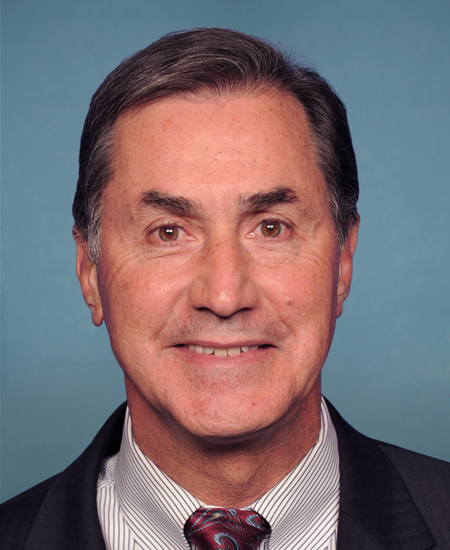
Rep. Gary J. Palmer
Sponsored bills
Maddy summaryHCONRES 3 is a symbolic congressional resolution expressing support for the Geneva Consensus Declaration, an international agreement signed by 39 countries that affirms women’s health, family protection, and opposes international abortion rights. It urges the U.S. to rejoin the declaration, which emphasizes that no country has an obligation to fund or facilitate abortion and that families are foundational to society. The resolution does not create new laws but reaffirms existing U.S. policies prohibiting federal funding for abortions or coercive family planning abroad. It directly affects U.S. foreign policy direction but has no binding effect on government actions.
Maddy summaryHJRES 18 is a resolution to block an Environmental Protection Agency (EPA) rule that would have updated national drinking water standards for lead and copper. The EPA rule, published in October 2024, proposed stricter limits on lead and copper in public water systems to improve safety. If passed, this resolution would prevent the rule from taking effect, maintaining current standards instead of implementing the proposed changes. The resolution does not create new rules but stops the EPA's proposed regulation from being enforced.
Maddy summaryThis resolution commemorates the January 13, 2021, announcement by the Trump administration’s Secretary of the Air Force that selected Redstone Arsenal in Huntsville, Alabama, as the preferred location for U.S. Space Command Headquarters. It specifically marks the 4th anniversary of this decision, which was part of a formal basing process (the Strategic Basing Action) that evaluated 50 sites against 21 criteria. The resolution criticizes the Biden administration’s 2023 decision to move the headquarters to Colorado Springs, Colorado, instead of honoring the 2021 recommendation. As a commemorative resolution, it does not change policy or location but expresses support for the original selection process.
Maddy summaryThis bill directs the Department of Homeland Security to implement the Migrant Protection Protocols (MPP) as outlined in a 2019 policy memo. It requires migrants seeking asylum at the U.S. border to remain in Mexico while their cases are processed, rather than being allowed to stay in the U.S. pending a hearing. The bill does not create new rules but mandates the reinstatement of a policy that was previously in effect from 2019 to 2021. This would directly affect asylum seekers arriving at the U.S.-Mexico border. The policy change would apply to all migrants covered by the existing MPP framework.
Maddy summaryThis bill blocks federal funding for Planned Parenthood Federation of America and its clinics for one year unless they certify they won't perform abortions. Exceptions apply for pregnancies resulting from rape or incest, or when a woman's life is in danger due to a medical condition. The bill redirects the redirected funds to community health centers and other providers serving women's health needs, authorizing $235 million for this purpose. It explicitly states this will not reduce overall federal funding for women's health services. The policy change directly affects Planned Parenthood clinics receiving federal funds, requiring them to certify abortion restrictions or lose funding.
Maddy summaryThis proposed constitutional amendment would limit Members of Congress to serving a maximum of three terms in the House of Representatives or two terms in the Senate. It directly affects current and future members by preventing those who have already served the maximum terms from seeking re-election. Key provisions include counting vacancies filled for more than a year (House) or three years (Senate) as a full term toward the limit, while excluding terms served before ratification from the count. As a constitutional amendment proposal, it requires approval by three-fourths of state legislatures to become law.
Maddy summaryThis bill designates the U.S. Postal Service facility at 306 Pickens Street in Marion, Alabama, as the "Albert Turner, Sr. Post Office Building" for all official federal references. It directly affects the postal facility and all federal documents, maps, or records that reference its location, changing those references to the new name. The bill is purely procedural with no substantive policy changes.
Maddy summaryHR 24, the Federal Reserve Transparency Act of 2025, mandates a comprehensive audit of the Federal Reserve Board and Federal Reserve banks by the Government Accountability Office (GAO) within 12 months of enactment. The bill requires the GAO to submit a detailed report to Congress within 90 days of completing the audit, including findings, conclusions, and recommendations for legislative or administrative action. This audit replaces current limitations on reviewing Federal Reserve operations, particularly regarding entities like special purpose vehicles not previously subject to standard audits. The bill directly affects the Federal Reserve System by increasing congressional oversight of its financial activities and reporting mechanisms.
Maddy summaryThis bill denies federal funds to states or localities (sanctuary jurisdictions) that restrict sharing immigration status information or refuse to comply with federal detainer requests under specific circumstances. It specifically blocks funding intended for services like food, shelter, healthcare, legal aid, or transportation for undocumented immigrants. The funding cutoff begins 60 days after enactment or the next fiscal year start. An exception applies if a jurisdiction cooperates when an undocumented immigrant is a crime victim or witness.