

Maddy summaryHR 685, the SAVE Moms and Babies Act of 2025, prohibits the FDA from approving new abortion drugs or allowing investigational use of existing ones. It restricts existing abortion drugs to in-person administration by certified healthcare providers in clinics or hospitals (not pharmacies), limits use to pregnancies under 70 days gestation, and requires providers to certify they can handle complications like severe bleeding or ectopic pregnancies. The bill mandates reporting of adverse events (such as hospitalizations or infections) to the FDA without patient identifiers and defines "abortion drug" broadly as any drug intended to terminate pregnancy, excluding specific medical exceptions. This directly affects FDA approval processes, healthcare providers prescribing these drugs, and drug manufacturers.
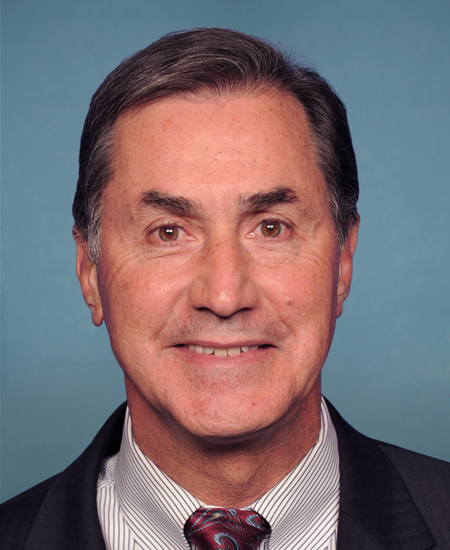
Rep. Gary J. Palmer
Sponsored bills
Maddy summaryHR 645, the National Constitutional Carry Act, would prevent all U.S. states and localities from requiring permits or imposing penalties for carrying firearms in public. It directly affects eligible U.S. citizens (including non-residents) who legally possess firearms under state and federal law, removing current permit requirements for public carry. The bill’s key provision amends federal law to invalidate any state or local law that criminalizes or discourages public firearm carry, except where private property owners clearly prohibit firearms or security screening occurs. This would override existing state permit laws, making permitless carry legal across all states and territories for qualified individuals.
Maddy summaryHR 703, the Main Street Tax Certainty Act, makes a key tax deduction permanent for small business owners. It removes the temporary sunset provision (subsection (i)) from Section 199A of the tax code, ensuring the qualified business income deduction remains available for eligible small businesses. This change directly affects pass-through business owners (like S-corps, partnerships, and sole proprietorships) who currently qualify for this deduction. The permanent change takes effect for tax years starting after December 31, 2025.
Maddy summaryHJRES 28 proposes a constitutional amendment to permanently fix the number of justices on the U.S. Supreme Court at nine. This would require ratification by 38 state legislatures (three-fourths of states) within seven years to become part of the Constitution. The amendment directly affects the structure of the Supreme Court, which has had nine justices since 1869 but could otherwise be altered by future congressional action. It does not change current court operations or create new laws, but instead seeks to make the nine-justice composition a permanent constitutional requirement.
Maddy summaryHR 7 prohibits federal funds from being used for abortions or health insurance plans covering abortion, with exceptions for pregnancies resulting from rape, incest, or when a woman's life is endangered. It blocks federal premium tax credits under the Affordable Care Act for health plans covering abortion (except in specified cases) and requires clear disclosure of abortion coverage and related surcharges in plan materials. The bill allows individuals or employers to purchase separate abortion coverage using non-federal funds, such as out-of-pocket payments, without affecting federal subsidies. It directly affects federal health programs, ACA marketplace plans, and health insurance issuers offering coverage that includes abortion services.
Birthright Citizenship Act of 2025 This bill limits birthright citizenship by redefining what it means to be subject to the jurisdiction of the United States. Currently, a person born in the United States and subject to U.S. jurisdiction is entitled to citizenship. Under the bill, a person is subject to U.S. jurisdiction if he or she is born to a parent who is (1) a U.S. citizen or national, (2) a lawful permanent resident residing in the United States, or (3) a non-U.S. national ( alien under federal law) with a lawful immigration status who is performing active service in the Armed Forces. The bill does not affect the citizenship or nationality status of any person born before the bill's enactment date.
Maddy summaryHR 587 removes the lesser prairie-chicken (all populations) from the federal lists of threatened and endangered species under the Endangered Species Act. It also permanently amends the law to prevent the U.S. Fish and Wildlife Service from ever listing the bird as threatened or endangered in the future. This bill directly affects the lesser prairie-chicken by ending its current legal protections under the Endangered Species Act. The key mechanism is a specific exclusion added to the Act’s listing authority, blocking any future federal protection for this species.
Maddy summaryHR 473, the SHOW UP Act of 2025, requires federal executive agencies to return to pre-pandemic telework policies within 30 days of enactment, limiting work-from-home options to those in place on December 31, 2019. Agencies must then conduct a 6-month study analyzing pandemic-era telework impacts - including effects on mission performance, costs from underused office space, and employee productivity tools - and submit a plan to Congress if they seek to expand telework beyond these baseline levels. The plan requires certification from the Office of Personnel Management confirming it will improve mission performance, reduce real estate costs, lower locality pay expenses, and ensure secure remote work capabilities without increasing agency costs. This bill directly affects all federal executive agencies (excluding the Government Accountability Office) and their employees by restricting telework flexibility and imposing strict requirements for any future expansion.
Maddy summaryHR 524, the "NO GOTION Act," blocks U.S. green energy tax credits for companies tied to specific countries. It amends tax law to deny benefits under sections like 30C, 45, and 48 to any "disqualified company" - defined as entities created in, controlled by, or linked to China, Russia, Iran, or North Korea. The law directly affects corporations with ties to these nations that seek federal tax incentives for clean energy projects. The policy takes effect for tax years after the bill's enactment, removing eligibility for these companies without altering other tax rules.
Maddy summaryHR 465, the "Old Glory Only Act," requires all U.S. diplomatic and consular posts abroad to fly only the United States flag. The bill directs the Secretary of State to ensure no other flags are displayed over these government facilities. This is a procedural change affecting the physical display of flags at U.S. embassies and consulates worldwide, with no other policy provisions. It mandates a specific practice without altering other diplomatic protocols or affecting citizens or organizations.