

Maddy summaryThe AADAPT Act reauthorizes and expands Project ECHO grants to improve Alzheimer’s and dementia care through technology-enabled training. It specifically funds grants for healthcare providers in rural, frontier, or medically underserved areas to enhance early diagnosis, quality care, and provider retention for dementia patients. The bill authorizes $1 million annually (2027-2032) for these dementia-focused training programs, requiring funds to supplement - not replace - existing resources. This directly supports primary care providers licensed to serve underserved communities, using collaborative online learning to address care gaps.
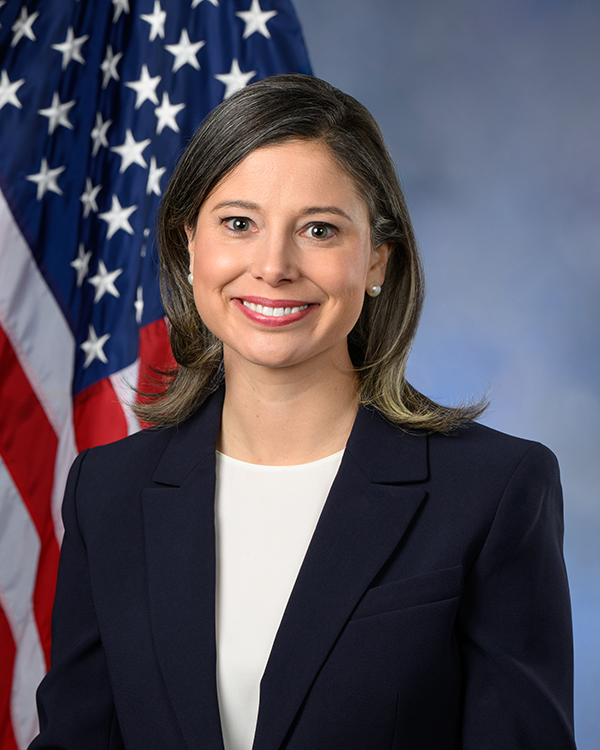
Rep. Maggie Goodlander
Sponsored bills
Maddy summaryHR 1266, the Combating Illicit Xylazine Act, adds xylazine - a veterinary sedative increasingly found in illicit drug mixtures - to Schedule III of the Controlled Substances Act, regulating its use and trafficking. It directly affects veterinarians, animal owners, and manufacturers by allowing xylazine to be legally dispensed for animal use under specific veterinary prescriptions, while prohibiting non-veterinary human use. The bill includes transition periods (60 days for practitioners, 1 year for labeling) to ease compliance for manufacturers and practitioners, and requires the DEA and FDA to expedite necessary applications. It also mandates two congressional reports on xylazine's illicit use and trafficking patterns, and directs the Sentencing Commission to review penalties for offenses involving xylazine.
Maddy summaryHR 2913, the Ukraine Support Act, provides comprehensive U.S. support for Ukraine in response to Russia's invasion. The bill authorizes security assistance including lend-lease authority for military equipment, establishes a Ukraine Reconstruction Trust Fund for economic recovery, and imposes new sanctions targeting Russian financial institutions, oil companies, and government officials. It also includes provisions to counter Russian disinformation, support Radio Free Europe, and address the kidnapping of Ukrainian children. The legislation directly affects U.S. foreign policy, Ukraine's defense capabilities, and Russia's access to international financial systems. The act aims to strengthen Ukraine's sovereignty while holding Russia accountable for its actions.
Maddy summaryThe Turn the Tide Act primarily increases federal funding for substance use disorder treatment, prevention, and recovery services, directing billions of dollars to states, tribes, and local organizations for the years 2027 through 2030. Key provisions include expanding Medicaid coverage for mental health and behavioral health services, removing insurance barriers to medication-assisted treatment, and limiting cost-sharing requirements for opioid overdose reversal medications. The bill also establishes new grant programs to support recovery housing, train first responders, and assist law enforcement with mental health and wellness initiatives. Additionally, it targets funding toward states with the highest rates of drug overdose deaths and extends existing waivers to improve Medicaid delivery systems in those areas.
Maddy summaryThe Stop CHEATERS Act directs the Internal Revenue Service to increase its enforcement efforts against high-income individuals and large corporations by allocating billions of dollars in additional funding for tax audits, criminal investigations, and taxpayer services through fiscal year 2031. A significant portion of this funding is designated for modernizing the IRS's technology and business systems to improve its ability to detect fraud and noncompliance. The legislation also requires the IRS Commissioner to submit regular reports to Congress detailing plans to shift auditing resources toward wealthy taxpayers and analyzing how much unpaid tax is owed by different income groups.
Maddy summaryThis bill requires the Secretary of the Army to issue standardized guidance within one year for reviewing applications related to non-Federal hydropower projects that need permission for alteration or use. The guidance must establish a specific checklist of required materials and clear criteria for what constitutes a complete application, developed in consultation with the Federal Energy Regulatory Commission and industry groups. It limits the initial review to verifying that all necessary documents are submitted in the correct format, explicitly prohibiting reviewers from conducting detailed technical analyses or requesting design changes at this stage. Additionally, the bill sets up escalation procedures for cases where review deadlines are not met and prevents officials from imposing new environmental standards that were not established before the application was submitted.
Maddy summaryThe Drug Deal Disclosure Act requires the Department of Health and Human Services to publicly release records of specific agreements between the federal government and major drug manufacturers starting in 2025. These agreements must include provisions such as offering lower drug prices based on international rates, providing discounts through government platforms like TrumpRx, or receiving special exemptions from import duties and regulatory reviews. While the bill mandates that most documents be made available in a searchable format, it allows the government to withhold only specific confidential pricing details if legally required by foreign laws or court orders, provided a justification is published. Additionally, the law directs the Congressional Budget Office and the Government Accountability Office to analyze the economic and budgetary impacts of these deals, including effects on Medicare, Medicaid, and drug competition.
Maddy summaryThis bill requires Medicare Advantage plans to implement electronic pre-approval systems for medical services by 2028 and meet transparency reporting standards starting in 2027. Plans must publicly report data on approval/denial rates, appeal outcomes, response times, and technology use for pre-approval requests, including details on how denials relate to clinical criteria. It establishes a 24-hour response timeframe for certain requests and mandates annual reviews of pre-approval requirements based on data and input from seniors and providers. The law directly affects Medicare Advantage plans, seniors enrolled in these plans, and healthcare providers who submit pre-approval requests. These changes aim to make the pre-approval process faster, more transparent, and more accountable for seniors seeking covered medical services.
Maddy summaryThis bill requires employees of the Small Business Administration (SBA) who process, review, or approve SBA loans to certify in writing that they have no conflicts of interest related to those loans. Specifically, employees must confirm they are unaware of any prohibited conflicts under federal law before handling a loan, disclose any new conflicts immediately, and understand existing conflict rules. The certification must be submitted prior to their involvement in loan decisions, directly affecting SBA staff managing loan approvals. The bill does not change loan terms or eligibility but adds a procedural requirement to prevent potential fraud through employee conflicts. It becomes effective 270 days after enactment, with regulations to follow within 180 days.
Maddy summaryThe Bear Poaching Elimination Act prohibits the import, export, and interstate trade of bear internal organs and products, aiming to stop the commercial demand that drives poaching. This law specifically targets items like gallbladders used in traditional medicine and cosmetics, while explicitly excluding blood and brains from the ban. The legislation applies to individuals, businesses, and government entities, with exceptions only for wildlife law enforcement and specific Native American traditional rituals. Violations can result in criminal prison time, civil fines up to $25,000 per offense, and the seizure of the illegal items. The bill also requires the Secretary of the Interior to continue international discussions to reduce the global trade in bear parts.