

Protecting Privacy in Purchases Act This bill prohibits payment card networks from using merchant codes that distinguish firearms retailers from general-merchandise retailers or sporting-goods retailers. The Department of Justice must enforce this bill and report annually on the resulting investigations and cases.
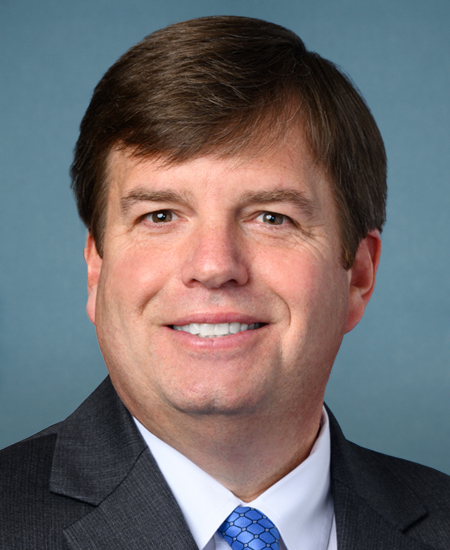
Rep. Dale W. Strong
Sponsored bills
Maddy summaryThe Sunshine Protection Act of 2025 would make daylight saving time permanent across the United States, ending the current practice of changing clocks twice yearly. It repeals the 1966 law requiring seasonal time changes and adjusts time zone offsets to reflect permanent daylight saving time (e.g., shifting from "4 hours" to "3 hours" in historical references). States that currently opt out of daylight saving time (like Arizona and Hawaii) would retain their existing arrangements, while all other states would adopt permanent daylight saving time unless they choose to stay on standard time. This change would directly affect all U.S. residents by eliminating the need to reset clocks in spring and fall.
Maddy summaryThe SAFEGUARDS Act of 2026 directs that money collected from the 9/11 Security Fee must be used exclusively for aviation security improvements rather than other government purposes. Starting in fiscal year 2027, the law creates two separate funds: one to cover general security operations and another specifically for purchasing and installing new checkpoint technology at airports. The Transportation Security Administration will manage these funds to pay for screening upgrades, security equipment, and related personnel support, ensuring the fee directly benefits aviation safety.
Maddy summaryHR 4398, the Veteran Burial Timeliness and Death Certificate Accountability Act, requires Veterans Affairs (VA) physicians or nurse practitioners to certify the death of a veteran who dies of natural causes within 48 hours of learning of the death. This directly affects veterans' families, who previously faced delays of up to eight weeks in burial and access to survivor benefits due to slow death certifications. The bill mandates annual reports to Congress on VA compliance with the 48-hour rule, including statistics on delays and their causes. The key change is establishing a strict timeline for death certification to prevent unnecessary delays in honoring veterans' final arrangements.
Repealing Big Brother Overreach Act This bill repeals the Corporate Transparency Act. The act requires existing companies and newly created companies to report beneficial ownership information to the Department of the Treasury’s Financial Crimes Enforcement Network for purposes of addressing the financing of terrorism and money laundering.
Maddy summaryThis bill, known as the Stopping Harmful and Outrageous Torts Act, expands legal protections for firearm manufacturers and sellers by strengthening their immunity from civil lawsuits. It requires courts to immediately dismiss any pending cases against these companies that are based on the criminal or unlawful misuse of a gun by a third party, while also clarifying that sellers are not liable for negligence in entrusting products to others. The legislation further restricts who can file such suits by prohibiting foreign governments from bringing these claims and adding a specific exception for victims under the age of 17, though it maintains immunity for cases involving design or manufacturing defects. Additionally, the bill allows companies to move these cases to federal court and grants them the right to appeal dismissal orders immediately, along with the ability to recover legal fees if they win. Finally, it preempts state and local laws that attempt to impose liability on these entities for the same types of misuse-related harms.
Maddy summaryThe TRUST Act prohibits the U.S. military from enlisting or appointing individuals who are nationals of countries designated as adversaries to the United States. This ban applies to new recruits and appointments starting 180 days after the law is enacted, while also requiring the Department of Defense to submit a report within one year identifying current service members from these nations who are permanent residents. The legislation aims to reduce risks related to espionage and foreign influence by strictly limiting military access for citizens of specific foreign governments.
This resolution expresses support for police officers and other law enforcement personnel. The resolution further recognizes law enforcement officers across the United States in the pursuit of preserving safe and secure communities; the need to ensure that such officers have the equipment, training, and resources necessary to protect their health and safety while they are protecting the public; and the law enforcement community for acts of sacrifice and heroism. The resolution expresses condolences and appreciation to the loved ones of each law enforcement officer who has made the ultimate sacrifice in the line of duty.
Maddy summaryThis bill would amend federal law to strengthen penalties for organized retail crime by expanding definitions of theft to include digital goods, gift cards, and setting a $5,000 aggregate value threshold for charges over a 12-month period. It would establish a new "Organized Retail and Supply Chain Crime Coordination Center" under Homeland Security to coordinate Federal, State, local, and Tribal law enforcement efforts against cross-jurisdictional theft groups. The Center would share information with retailers, transportation companies, and law enforcement agencies, track crime trends, and produce annual reports on organized retail crime. This legislation directly affects retailers, supply chain businesses, and law enforcement agencies, while targeting organized crime groups responsible for a 93% increase in larceny incidents and rising safety concerns for retail employees. The bill aims to address significant financial losses and supply chain disruptions noted in the National Retail Federation's 2023 data.
Maddy summaryThe Maverick Act authorizes the Secretary of the Navy to transfer three F-14D Tomcat aircraft to the U.S. Space and Rocket Center Commission in Huntsville, Alabama, without charge to the Commission. The Commission would be responsible for all costs associated with the aircraft, including conveyance, operation, and maintenance. The bill requires the aircraft to be demilitarized and used exclusively for public display, airshows, or commemorative events to preserve naval aviation heritage. The Commission must also comply with all Federal Aviation Administration regulations, and if these conditions are violated, ownership of the aircraft would revert to the United States.