

Maddy summaryThis bill establishes a state-level civil rights enforcement mechanism allowing Connecticut residents to sue individuals or entities, including government officials, for depriving them of constitutional rights. It creates a new cause of action similar to federal civil rights laws, permitting courts to award damages, attorney fees, and injunctive relief when violations are proven. The bill also empowers the Attorney General to investigate and intervene in cases involving civil rights violations, seek civil penalties up to $2,500 per violation, and accept assurances that unlawful practices will stop. Additionally, it clarifies that these actions do not waive sovereign immunity and maintains existing rights to file complaints with the Commission on Human Rights and Opportunities.
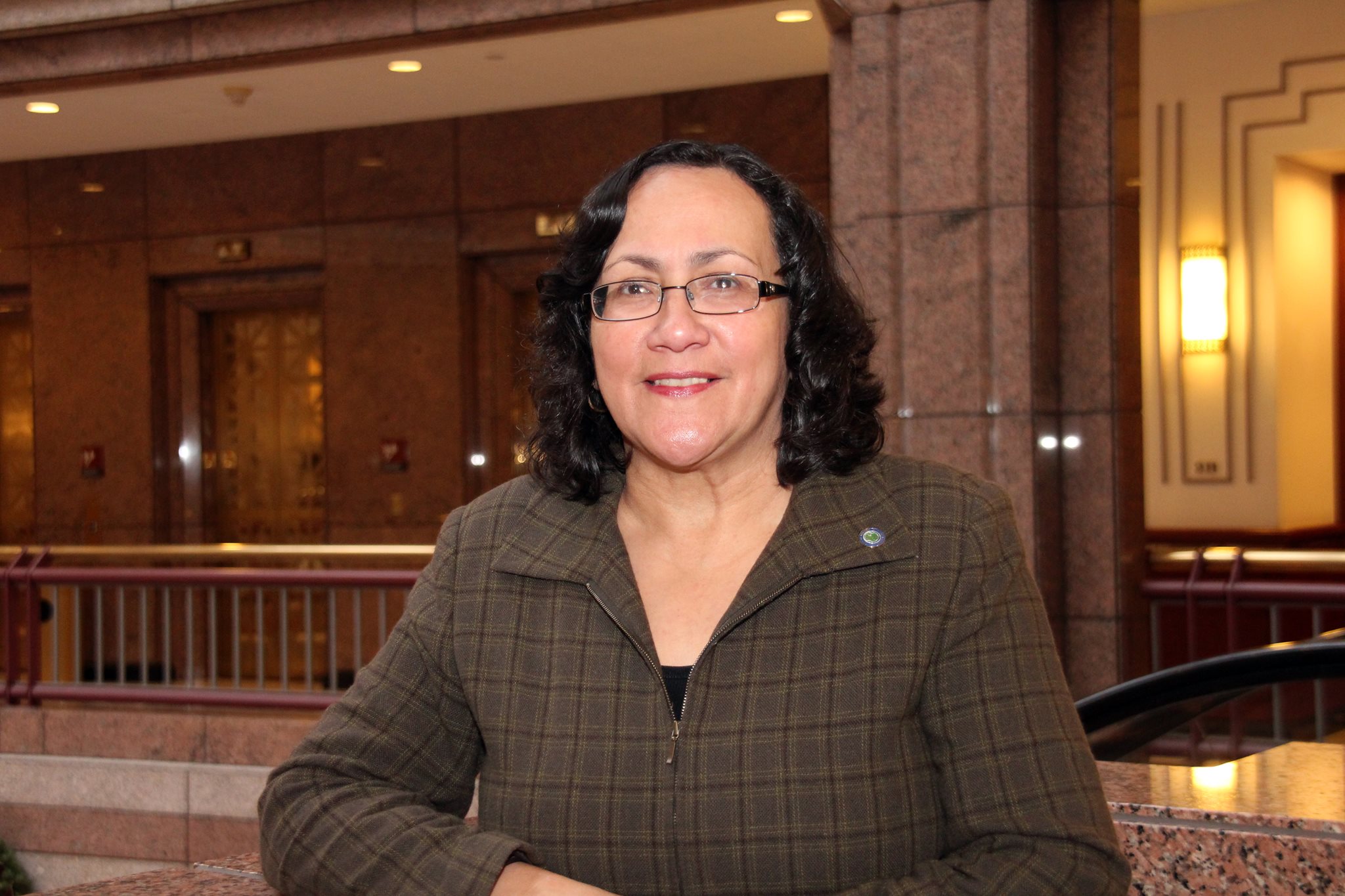
Rep. Hilda Santiago
Sponsored bills
Maddy summaryHB 5140 mandates a study of senior citizens' needs in the state, focusing on long-term care, transportation, housing assistance, nutritional support, and socialization opportunities. The Commission on Women, Children, Seniors, Equity and Opportunity must complete this study in consultation with the Commissioner of Aging and Disability Services and report findings to the legislature by January 1, 2027. This bill does not create new programs or allocate funds but aims to inform future resource allocation based on identified senior needs.
Maddy summaryHB 5292 exempts sales of tangible personal property or services to qualifying military and veterans' organizations from state sales and use taxes. The bill specifically targets organizations recognized under IRS Section 501(c)(19) (veterans' organizations) and requires them to provide documentation, such as a Treasury Department determination letter or an existing exemption permit, to prove eligibility at the time of purchase. This exemption applies to items used exclusively for the organization's established purposes, with the organization liable for taxes if items are misused. The change takes effect October 1, 2026, for all sales occurring on or after that date.
Maddy summaryThis bill establishes a Connecticut Tribal Wildlife and Fisheries Commission to facilitate cooperation between the state and Native American tribes on managing wildlife and fisheries resources. The commission will include representatives from five tribal nations, state agencies, and academic institutions to develop comanagement agreements that integrate tribal ecological knowledge with state conservation science. Additionally, the bill provides free hunting and fishing permits to enrolled tribal members on state lands, offers access to safety and education programs, and prioritizes tribal food processing facilities for technical assistance and funding support. These measures aim to promote sustainable resource use and tribal food sovereignty while maintaining state conservation goals and protections.
Maddy summaryHB 5362 revises Connecticut's affordable housing laws to implement recommendations from the Majority Leader's Roundtable. It defines key terms like "affordable housing development" (including "set-aside developments" requiring 30% of units to be priced at ≤30% of income for 40 years, with 15% reserved for lower-income households) and clarifies the role of housing commissions. The bill creates a streamlined appeal process for developers whose affordable housing applications are denied or restricted, directing such cases to specialized judges in the relevant judicial district for expedited review. This law directly affects housing developers, municipalities, and housing commissions by setting new affordability standards and changing how disputes over housing applications are resolved.
Maddy summaryHB 5035 requires all public K-12 school districts in the state to ban students from using wireless communication devices (like cell phones, tablets, and smartwatches) during the school day, except for instructional purposes or specific exceptions. The law mandates devices be powered off and stored securely, with exceptions for students needing them under individualized education plans (IEPs) or for medical reasons approved by healthcare providers. It also prohibits access to social media during school hours unless for classroom instruction. School districts must create and share policies with parents about these rules, including emergency communication procedures and disciplinary steps for violations. The bill takes effect July 1, 2027.
Maddy summaryThis bill strengthens Connecticut's Sewage Right-to-Know Act by requiring faster reporting and public notification of sewage spills and bypasses. It mandates that sewage treatment plant operators submit electronic reports to the Department of Energy and Environmental Protection within two hours of an incident, with details including location, volume, and public health concerns. The bill also requires operators to notify local officials and the public within two hours when a spill may impact people or waterways, and establishes a real-time alert system for residents to receive notifications via text or email. Additionally, the Department must publish annual summaries of sewage spills and enforcement actions on its website.
Maddy summaryThis bill updates Connecticut's historic preservation laws to require public hearings with live web broadcasts for all historic district commission review applications, ensuring greater transparency in the approval process. It also clarifies appeal procedures, allowing aggrieved parties to challenge commission decisions in superior court within 15 days using established zoning board appeal processes. Additionally, the bill exempts property owned by state agencies, municipalities, and nonprofit higher education institutions from certain preservation requirements while requiring municipalities to submit renovation plans for non-exempt properties to receive nonbinding commission opinions. Finally, the legislation defines specific terms related to historic structures and rehabilitation to clarify eligibility for tax incentives and other preservation-related benefits.
Maddy summaryThis bill expands how Connecticut towns can use Town Aid Road grant money, allowing them to purchase and maintain equipment like snow plows, street sweepers, and vegetation management tools in addition to building and repairing roads. The legislation directs $12.5 million annually from the Department of Transportation to these road-related projects, including new provisions for climate resilience measures such as flood protection and extreme heat mitigation. Towns that receive these funds must submit annual reports on how they spend the money, or face a ten percent reduction in future grants. The Office of Policy and Management retains the ability to approve alternative uses of the funds beyond those explicitly listed in the bill.
Maddy summaryHB 5092 prevents landlords from imposing sudden rent hikes when a rental property is sold to a new owner. It directly affects renters in properties transferred within the previous 12 months and landlords who purchase such properties. The bill caps rent increases for these properties at either 5% or the annual consumer price index (CPI) rise - whichever is higher - unless the new owner completed major renovations costing over $50,000 per unit. If renovations were done, the new owner must justify a higher increase through a fair rent commission review; otherwise, the standard cap applies. The law takes effect October 1, 2026.