Issue · Criminal Justice

Criminal Justice

Every criminal justice bill, vote, and legislator stance in Colorado, automatically classified by Maddy, our AI policy reader.

Total bills
65
2026 Regular Session
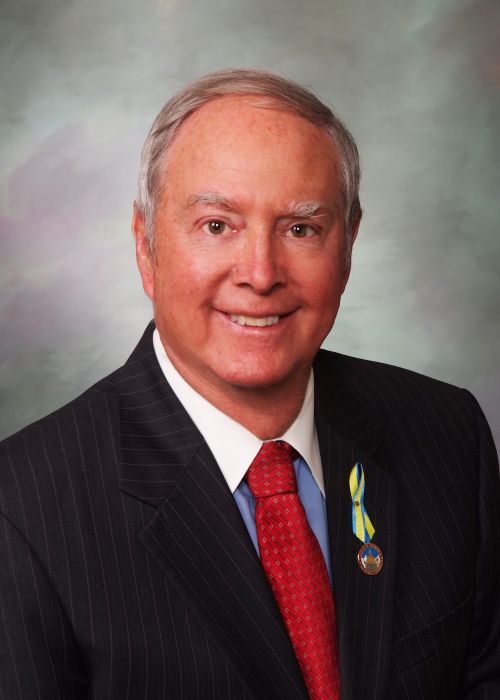
Top supporter
Julie Gonzales
100% support rate
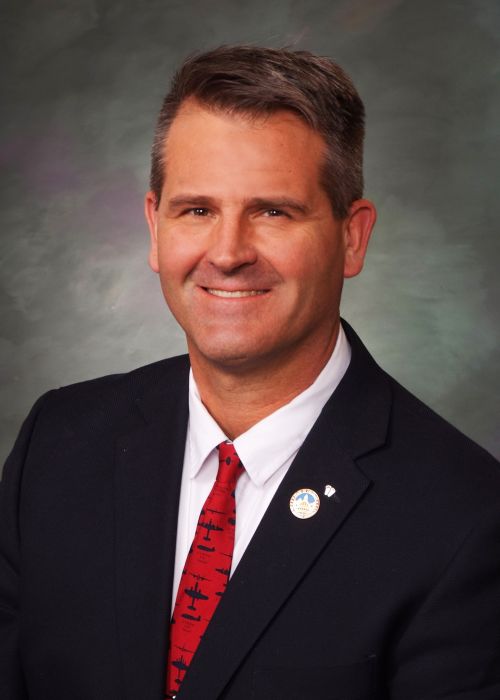
Top opponent
Larry Liston
0% support rate
Ranked legislators
10
5 support · 5 oppose
Key legislators

Who's moving criminal justice in Colorado

Legislators moving criminal justice in Colorado
Legislator Party Stance Support rate Votes
Julie Gonzales
Julie Gonzales Senate · District 34
D
Strong +
100% 37
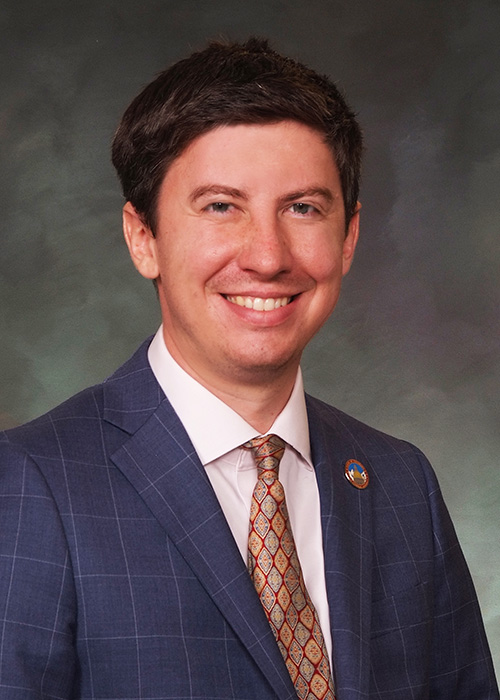
William Lindstedt
William Lindstedt Senate · District 25
D
Strong +
100% 30
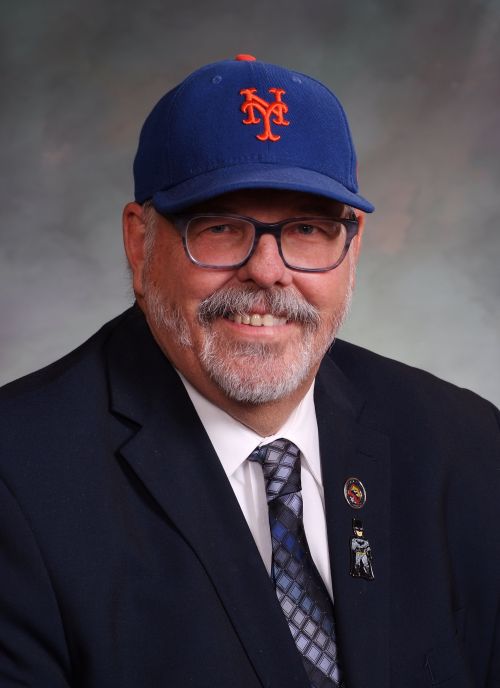
Tom Sullivan
Tom Sullivan Senate · District 27
D
Strong +
100% 20
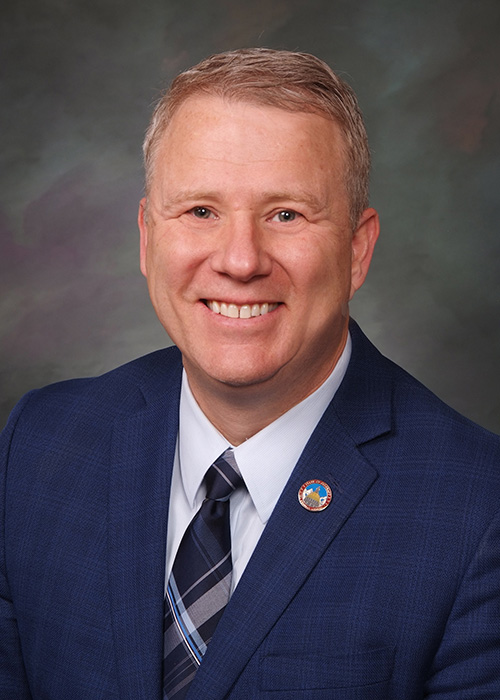
Chris Kolker
Chris Kolker Senate · District 16
D
Strong +
92% 45
Judy Amabile
Judy Amabile Senate · District 18
D
Strong +
90% 31
Larry Liston
Larry Liston Senate · District 10
R
Strong −
0% 39
Barbara Kirkmeyer
Barbara Kirkmeyer Senate · District 23
R
Strong −
10% 31
Byron Pelton
Byron Pelton Senate · District 1
R
Oppose
23% 36
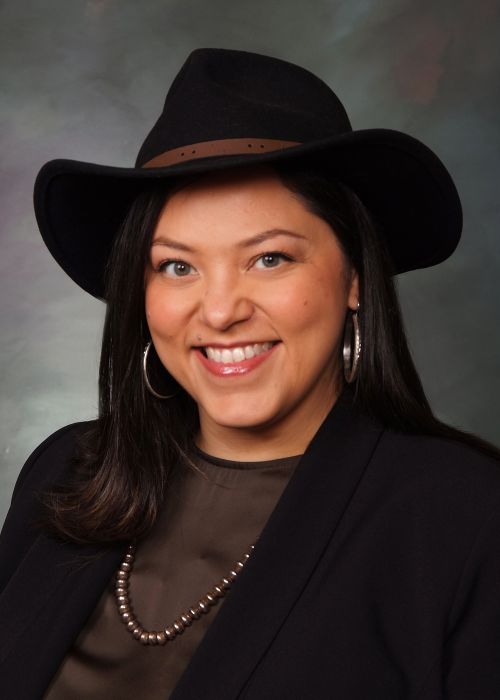
Lynda Zamora Wilson
Lynda Zamora Wilson Senate · District 9
R
Oppose
25% 55
Ken DeGraaf
Ken DeGraaf House · District 22
R
Oppose
29% 102
Showing 21–30 of 65 bills

All criminal justice bills

in committee · Colorado · House Mar 2, 2026

HB 1072: Right to Firearm Possession & Elimination of Extreme Risk Protection Orders

The bill codifies an individual's right to own, possess, and use a firearm to the maximum extent permissible by the state and federal constitutions.     Extreme risk protection orders and temporary extreme risk protection orders are repealed.(Note: This summary applies to this bill as introduced.)
Sub-Topics Drug Policy Firearms
signed · Colorado · House May 4, 2026

HB 1232: Court Costs Assessed to Juveniles

Under current law, courts may not assess or collect administrative fees, costs, and surcharges in juvenile delinquency cases involving a juvenile under the jurisdiction of the juvenile court when a juvenile has been charged with or adjudicated of certain crimes. The act adds that courts or the state is prohibited from assessing or collecting administrative fees, costs, and surcharges assessed against a juvenile or the juvenile's parents, guardian, or legal custodian when the juvenile was under 18 years old when the crime was committed.(Note: This summary applies to this bill as enacted.)
in committee · Colorado · House Mar 4, 2026

HB 1093: College Opportunity Fund Working Group

The bill creates a working group to make findings and recommendations concerning how to implement the college opportunity fund for persons who are incarcerated in Colorado, including whether fee-for-service contracts for participating institutions of higher education need to be modified. The bill requires the working group to report its findings and recommendations to the education committees of the house of representatives and the senate on or before December 1, 2026.(Note: This summary applies to this bill as introduced.)
Sub-Topics Higher Education
signed · Colorado · House Apr 13, 2026

HB 1185: Sunset Cold Case Task Force

The department of regulatory agencies (DORA) conducted a sunset review of the cold case task force (task force) in the department of public safety (department) and recommended:Authorizing the executive director of the department to appoint additional task force members;Extending the task force until September 1, 2039; andChanging the type of sunset review that is performed by DORA.     The act implements DORA's recommendations.(Note: This summary applies to this bill as enacted.)
signed · Colorado · House May 28, 2026

HB 1242: Interlock Device for Impaired Drivers

Beginning June 1, 2027, a person convicted for the first time of certain offenses related to driving while under the influence of drugs or alcohol is required to hold an interlock-restricted license for a consecutive period of nine months following reinstatement of the person's driver's license prior to being eligible to obtain any other driver's license, except in limited circumstances.      If a person's driving privileges have been revoked for one year or more because of a refusal related to certain offenses related to driving while under the influence of drugs or alcohol, current law authorizes the person to apply for early reinstatement with an interlock-restricted license after the driving privilege has been revoked for 2 months. Beginning June 1, 2027, the 2-month waiting period is repealed.     Under current law, a financial assistance program (assistance program) is available to assist people who apply for an interlock-restricted license and are unable to pay the full cost of an approved ignition interlock device. The act restricts eligibility for the program to those who satisfy certain income criteria.     A certified ignition interlock manufacturer (manufacturer) must provide a person who is eligible for the assistance program certain discounts on installation of, lease charges for, and removal of an interlock device. The manufacturer must provide certain information regarding the assistance program at the time the interlock device installation appointment is scheduled and when a person executes an interlock device lease or service agreement.     The act appropriates $15,225 to the department of revenue to implement the act.(Note: This summary applies to this bill as enacted.)
signed · Colorado · House May 4, 2026

HB 1144: Prohibit Three-Dimensional Printing Firearms & Components

The act defines 3-dimensional printing to mean additive and subtractive manufacturing. The act prohibits knowingly manufacturing or producing a potentially functioning firearm, unfinished frame or receiver, large-capacity magazine, or rapid-fire device (firearm or firearm component) by 3-dimensional printing. The prohibition does not apply to a federally licensed firearm manufacturer, an instructor or student of an accredited gunsmithing program, or an institution that operates an accredited gunsmithing program. Unlawful 3-dimensional printing of a firearm or firearm component is a class 1 misdemeanor; except that a second or subsequent offense is a class 5 felony.     The prohibitions in the act only apply to potentially functional firearms and firearm components.(Note: This summary applies to this bill as enacted.)
Sub-Topics Firearms
signed · Colorado · House May 26, 2026

HB 1110: Vulnerable Adult Financial Exploitation Banking

The act creates the 'Adults' Security and Safeguards from Exploitation in Transactions Act' or the 'ASSET Act'. The act requires or authorizes a qualified individual at a bank or credit union (financial institution) to do the following when the individual reasonably and in good faith suspects that a vulnerable adult is the victim of financial exploitation:The qualified individual must notify appropriate local law enforcement or the county agency handling adult protective services; andThe qualified individual may notify a third party previously designated by or reasonably associated with the vulnerable adult.     A financial institution or qualified individual may delay a disbursement from an account if the financial institution or qualified individual:Reasonably believes that the vulnerable adult is subject to financial exploitation;Provides written notification of the delay and the reason for the delay to all parties authorized to transact business on the account within 2 business days after the requested disbursement; except that a party who is reasonably believed to have engaged in financial exploitation of the vulnerable adult need not be notified; andContinues its internal review of the suspected or attempted financial exploitation.     The delay may continue until:The financial institution or qualified individual reasonably believes that the vulnerable adult is not subject to financial exploitation;Local law enforcement or the county agency handling adult protective services concludes its investigation; orA court orders that the delay be removed.     A financial institution or qualified individual must make a determination within 90 days after beginning the delay of a disbursement or, if waiting on the investigation of local law enforcement or a county agency handling adult protective services, within 180 days. The disbursement must be made or refused based on the conclusions of the investigation or the expiration of the time.     A financial institution and qualified individual are immune from liability arising from the actions or from failing to take the actions authorized in the act if the act or failure to act was made in good faith and exercising reasonable care.     A financial institution must provide access to or copies of records that are relevant to the suspected or attempted financial exploitation of an vulnerable adult to agencies charged with administering state adult protective services laws and to law enforcement. The records made available to agencies are not public records, as defined in the 'Colorado Open Records Act'.(Note: This summary applies to this bill as enacted.)
Sub-Topics Courts Law Enforcement
in committee · Colorado · Senate Mar 11, 2026

SB 97: Decriminalize Adult Commercial Sexual Activity

The bill requires the statewide decriminalization of commercial sexual activity among consenting adults. It declares that decriminalizing commercial sexual activity among consenting adults is a matter of statewide concern and expressly preempts statutory or home rule city, town, city and county, or county ordinances, resolutions, regulations, or codes criminalizing commercial sexual activity.The bill repeals the state criminal offenses of prostitution, soliciting for prostitution, keeping a place of prostitution, patronizing a prostitute, and prostitute making display. It also repeals the offense of pandering when it involves knowingly arranging or offering to arrange a situation that permits a person to practice prostitution. The bill maintains current state criminal penalties for pandering that involves menacing or criminal intimidation and for pimping, but it changes terminology in those offenses by replacing "prostitution" with "commercial sexual activity".The bill makes various conforming amendments, including those related to: Reporting requirements, immunity, affirmative defenses, and criminal conviction records in human trafficking cases; public nuisances; certification by the peace officers standards and training board; and the regulation of escort bureaus and massage parlors. The bill eliminates a court program for persons charged with certain prostitution-related offenses.(Note: This summary applies to this bill as introduced.)
in committee · Colorado · Senate Apr 13, 2026

SB 96: Justice-Involved Veterans

The bill allows defendant veterans to request an eligibility assessment to determine if they are eligible for veteran deferred sentencing. The bill states the offenses eligible and the requirements that must be met by veteran defendants to qualify for veteran deferred sentencing. The bill establishes what a court must include in a veteran defendant's deferred sentence and establishes what a veteran defendant must do to complete their deferred sentence and when they are eligible for discharge from probation and for dismissal of their charges.The bill requires courts to consider veteran status, when disclosed, when considering the sentence of a veteran defendant. The bill requires law enforcement, courts, and corrections personnel to receive training regarding justice-involved veterans. The bill requires courts to track and report the number of veteran defendants receiving, completing, declining, and denied veteran-deferred sentences. The bill requires the division of criminal justice in the department of public safety to develop a plan to track and evaluate outcomes of veteran defendants who receive veteran-deferred sentences.The bill requires the department of corrections (department) to create a veteran identification process that must be implemented in all offender diagnostic centers that allows the department to record which offenders are veterans. The bill requires that veteran offenders be considered, when appropriate, for correctional facility veteran housing units and veteran services and have their veteran status be considered in structuring their rehabilitation program.(Note: This summary applies to this bill as introduced.)
signed · Colorado · House Apr 27, 2026

HB 1134: Fairness & Transparency in Municipal Court

The act clarifies that municipal court defendants have a right to counsel and that municipal defense counsel have the same notice requirements, case information, and opportunity to meet with their clients as do state-level defense counsel. Current law prohibits paying indigent municipal defense counsel on a fixed or flat-fee payment structure if the municipality prosecutes domestic violence cases. The act applies the prohibition to all municipalities and allows a flat fee arrangement if the flat fee is the same or higher than a resulting fee based on hourly compensation.     Current law requires municipal court proceedings to be open to public observation. The act requires virtual observation for all in-custody proceedings and prompt resolution of municipal cases.(Note: This summary applies to this bill as enacted.)
Sub-Topics Courts Domestic Violence Tags Government Transparency
Showing 21 to 30 of 65 bills
Previous 1 2 3 4 7 Next