Issue · Criminal Justice

Criminal Justice (Juvenile Justice)

Every criminal justice bill, vote, and legislator stance in Colorado, automatically classified by Maddy, our AI policy reader.

Total bills
2
2026 Regular Session
Top supporter
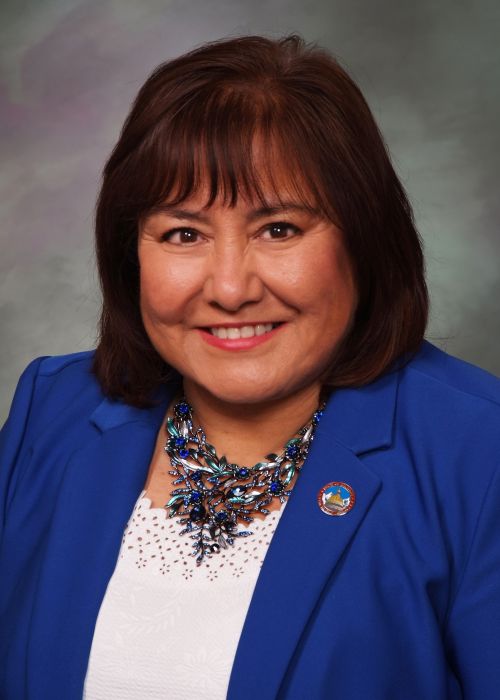
Cecelia Espenoza
100% support rate
Top opponent
Ava Flanell
0% support rate
Ranked legislators
10
5 support · 5 oppose
Key legislators

Who's moving juvenile justice in Colorado

Legislators moving juvenile justice in Colorado
Legislator Party Stance Support rate Votes
Cecelia Espenoza
Cecelia Espenoza House · District 4
D
Strong +
100% 7
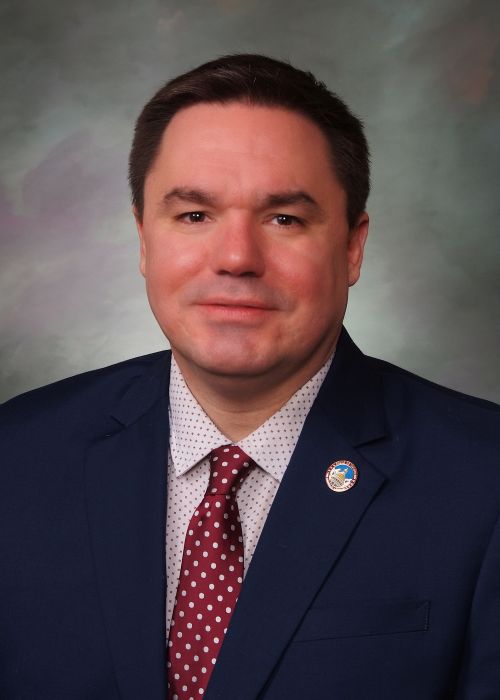
Chad Clifford
Chad Clifford House · District 37
D
Strong +
100% 7
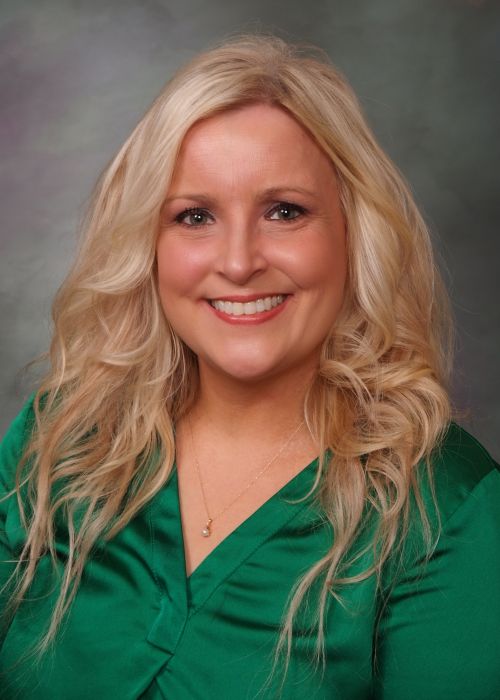
Eliza Hamrick
Eliza Hamrick House · District 61
D
Strong +
100% 7
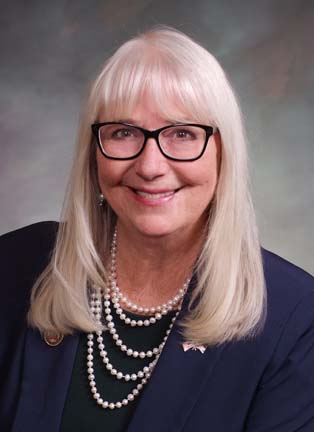
Gretchen Rydin
Gretchen Rydin House · District 38
D
Strong +
100% 7
Javier Mabrey
Javier Mabrey House · District 1
D
Strong +
100% 7
Ava Flanell
Ava Flanell House · District 14
R
Strong −
0% 7
Carlos Barron
Carlos Barron House · District 48
R
Strong −
0% 7
Dan Woog
Dan Woog House · District 19
R
Strong −
0% 7
Dusty Johnson
Dusty Johnson House · District 63
R
Strong −
0% 7
Rebecca Keltie
Rebecca Keltie House · District 16
R
Strong −
0% 7
Showing 2 of 2 bills

All criminal justice bills

signed · Colorado · House May 4, 2026

HB 1232: Court Costs Assessed to Juveniles

Under current law, courts may not assess or collect administrative fees, costs, and surcharges in juvenile delinquency cases involving a juvenile under the jurisdiction of the juvenile court when a juvenile has been charged with or adjudicated of certain crimes. The act adds that courts or the state is prohibited from assessing or collecting administrative fees, costs, and surcharges assessed against a juvenile or the juvenile's parents, guardian, or legal custodian when the juvenile was under 18 years old when the crime was committed.(Note: This summary applies to this bill as enacted.)
signed · Colorado · House Mar 26, 2026

HB 1064: Youthful Offender System Updates

Current law establishes the youthful offender system (system) in the department of corrections (department) as a sentencing option that provides a continuum of services. The act:Updates references to the juveniles and young adults who are eligible for or participating in the system;Revises certain legislative intent provisions to emphasize lasting behavioral changes in preparation for reentry, trauma-informed care, addressing criminogenic risk, accountability, healthy relationship building, and system participant and staff safety;Expresses the general assembly's intent that juveniles and young adults with physical, intellectual, mental, or behavioral health disabilities or conditions receive equitable treatment in sentencing to the system and reasonable accommodations once in the system;Adds certain data related to system completion rates to an existing annual reporting requirement for the department;Adds requirements for evidence-informed rehabilitative treatment and life skills programming and for individual therapy, family therapy, or substance use disorder treatment;Establishes requirements for system participant evaluations, plans for addressing participants' needs and skills, and case manager duties;Requires the department, in consultation with relevant experts, to make and publish on its website recommendations for integrating a trauma-informed standard of care with current system practices to promote the health and safety of system participants; andExpands certain procedural protections for system participants with mental or behavioral health conditions or intellectual and developmental disabilities.(Note: This summary applies to this bill as enacted.)