Maddy summarySCR 33 designates May 23, 2025, as GM1 Gangliosidosis Awareness Day in California. This ceremonial resolution aims to raise public awareness about GM1 Gangliosidosis, a rare genetic disorder, without creating new laws or funding. It directly affects Californians by encouraging community recognition of this condition through official designation. The bill has no policy mechanisms beyond the symbolic declaration of a specific date.
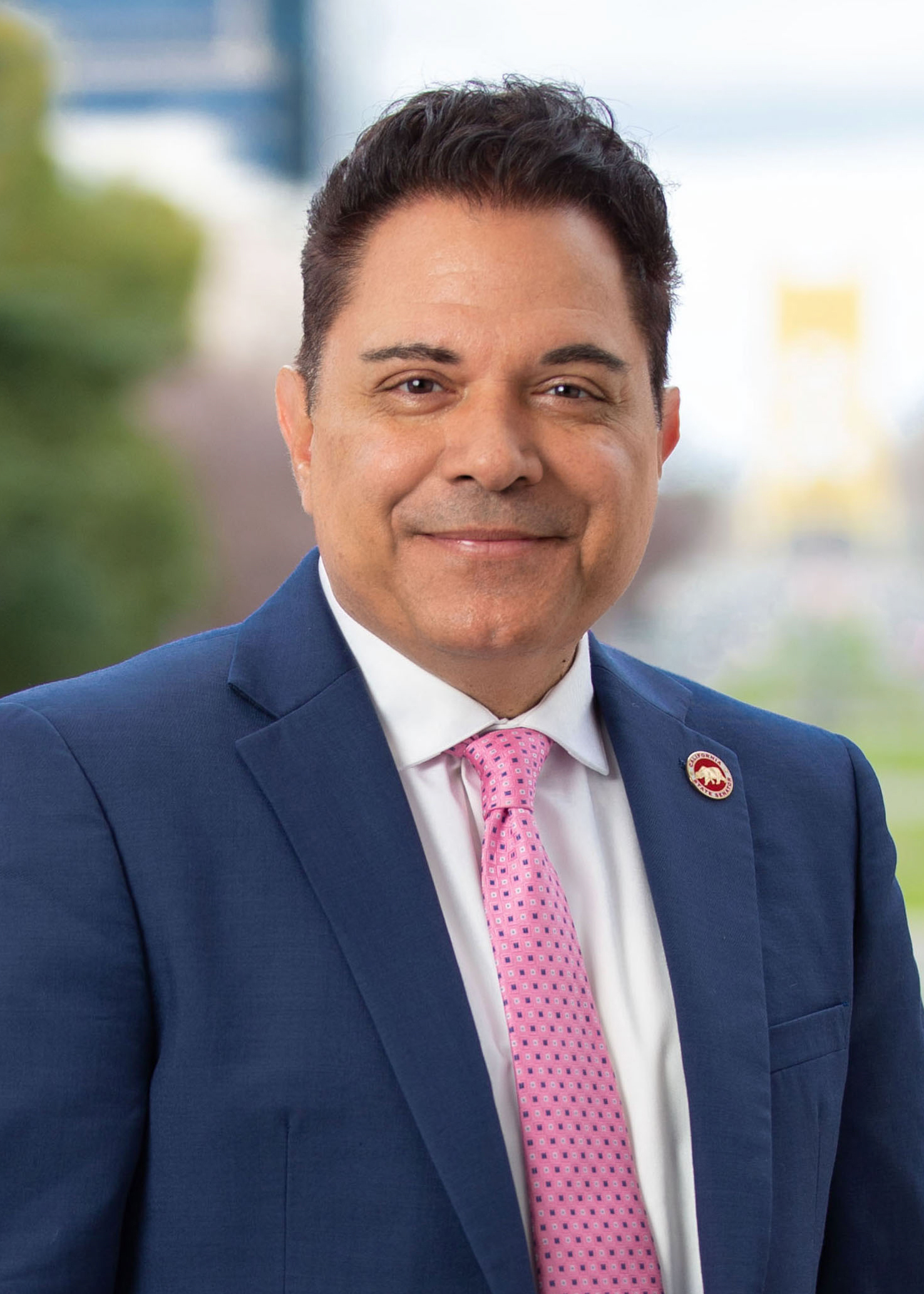
Sen. Steve Padilla
Sponsored bills
Maddy summarySenate Resolution 48 designates June as LGBTQ+ Pride Month in California, recognizing the community's contributions and progress toward equality. This symbolic resolution, adopted unanimously by the California State Legislature, does not create new laws or policies but formally acknowledges LGBTQ+ history and achievements. It highlights milestones like the Stonewall Uprising, marriage equality advances, and California's Proposition 3 enshrining marriage equality in the state constitution. The resolution serves as a statement of support without imposing any concrete changes or obligations.
Maddy summaryCalifornia's Senate Resolution 49 designates June 25, 2025, as the state's official commemoration of the 75th anniversary of the Korean War. The resolution honors the service and sacrifice of Korean War veterans (over 36,000 U.S. service members died) and recognizes the enduring U.S.-South Korea alliance forged during the conflict. It is a ceremonial resolution with no binding policy changes, intended to raise awareness of this historical event.
Existing law prohibits discrimination on the basis of various specified personal characteristics, including disability. Existing law imposes minimum statutory damages for construction-related accessibility claims if the violation of a construction-related accessibility standard denied the plaintiff full and equal access to the place of public accommodation on a particular occasion, as specified. Existing law imposes various limits on a defendant's liability for statutory damages under specified sets of conditions, including if the defendant, among other things, corrects the construction-related violations within a specified time. This bill would prohibit a construction-related accessibility claim for statutory damages from being initiated in a legal proceeding against a defendant who employs 50 or fewer individuals, as specified, unless the defendant has been served with a letter specifying each alleged violation, and the alleged violations have not been corrected within 120 days of service of the letter. The bill would provide that a defendant is not liable for statutory damages, plaintiff's attorney's fees, or costs for an alleged violation that is corrected within 120 days of service of a letter alleging the violation. The bill would also prohibit a plaintiff from avoiding the notice and opportunity to correct provisions and the liability limitations by claiming they are seeking general discrimination damages based on a violation of the Americans with Disabilities Act of 1990 if the underlying claim is based on a defendant's failure to comply with physical accessibility standards under California law.

Maddy summaryThis symbolic resolution proclaims May 2025 as Affordable Housing Month in California. It does not create new policies or allocate funding but formally recognizes the importance of affordable housing through a Senate proclamation. The resolution highlights existing challenges like rising costs and homelessness, while affirming the state's commitment to addressing them. It was unanimously adopted by the Senate on May 29, 2025, with no concrete policy changes or direct effects on specific groups.
Maddy summarySenate Resolution 38 designates May 22 (Harvey Milk's birthday) as "Harvey Milk Day" in California to honor his legacy as the first openly gay elected official in the U.S. and his pivotal role in advancing LGBTQ+ rights. The resolution commemorates his advocacy for anti-discrimination ordinances, defeat of the Briggs Initiative, and famous call for visibility: "Gay people, we will not win our rights by staying quietly in our closets." This ceremonial resolution has no binding policy provisions - it solely recognizes Milk's historical significance through a designated day of remembrance.
Maddy summarySenate Resolution 27 declares May 4-11, 2025, as "Cinco de Mayo Week" in California. It urges all Californians to observe this week to honor the historical significance of the 1862 Mexican victory at Puebla and recognize Latino contributions to California and U.S. history, including support during the Civil War and ongoing community achievements. The resolution has no legal effect or policy changes - it is a ceremonial observance with no direct impact on individuals or programs. It was unanimously adopted by the California Senate on May 5, 2025.
This measure would proclaim April 2025 as Women in Law Month to honor the contributions of women to the legal profession and to promote continued efforts toward gender equality in the field of law and would encourage law firms, legal organizations, and educational institutions throughout California to commemorate Women in Law Month, as provided.
Maddy summarySenate Resolution 29 is a commemorative resolution honoring César Chávez and his legacy as a farmworker rights leader. It recognizes his life's work in advocating for labor protections and the existing California state holiday on March 31, which celebrates his birthday and legacy. The resolution does not create new policy or change laws, but formally acknowledges Chávez's contributions to the farmworker movement and the 2000 law (SB 984) that established the holiday.
Maddy summaryThis California Senate Resolution (SR 22) commemorates Transgender Day of Visibility by formally recognizing and celebrating transgender, Two-Spirit, nonbinary, and intersex (2STGI) communities. It highlights historical and contemporary contributions of 2STGI individuals, including cultural leaders like Zuni Two-Spirit figure We’wha and modern trailblazers such as Laverne Cox and Sarah McBride. The resolution emphasizes community resilience amid ongoing discrimination while acknowledging that visibility alone does not address systemic inequities. As a symbolic gesture, it has no legal effect but serves to honor 2STGI identities and history.