

Existing law establishes the Department of Parks and Recreation and vests the department with control of the state park system. Existing law authorizes the department, whenever significant savings can be achieved, to enter into a contract with any natural person, corporation, partnership, or association for the operation of a reservation system for the state park system and for the collection of state park fees in connection therewith. This bill would require any contract the department enters into, on and after January 1, 2024, for purposes of managing the department's reservation system, to reflect specified rules, authorizations, and requirements, including, among other things, that a reservationholder who cancels a reservation within 2 to 6 calendar days before the reservation start date may forfeit the cost of the reservation for the first night plus any reservation fees. The bill would require the department to, on or before January 1, 2025, implement a reservation drawing for up to 5 of the most popular units of the state park system, as provided. The bill would require the department to report, on or before January 1, 2028, on the outcomes of the reservation drawing to the Legislature. The bill would repeal the above-mentioned provisions regarding the reservation drawing on January 1, 2029.
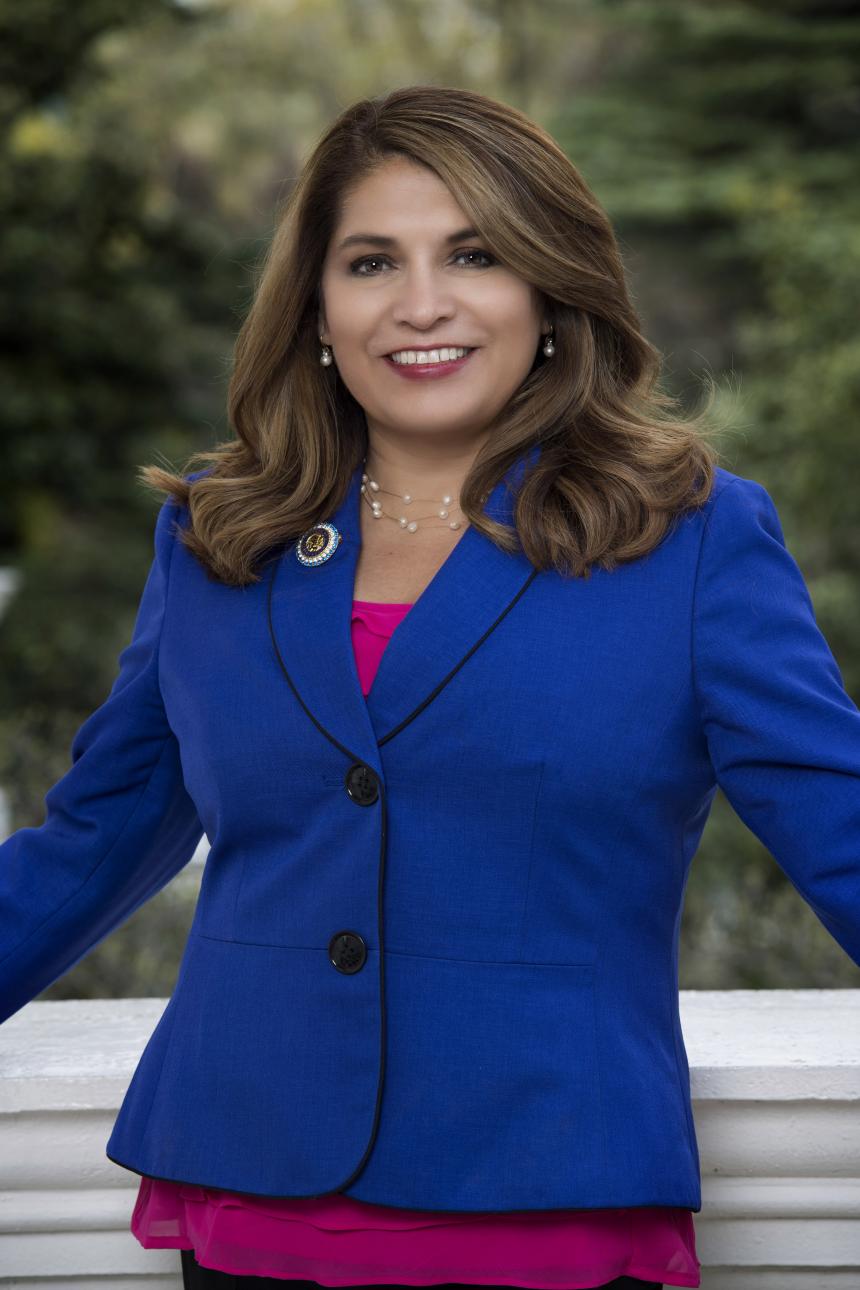
Asm. Sharon Quirk-Silva
Sponsored bills
Existing law requires the State Department of Public Health, subject to an appropriation in the Budget Act of 2016, to award funding to local health departments, local governmental agencies, or on a competitive basis to other organizations, as specified, to support or establish programs that provide naloxone or another opioid antagonist to first responders and at-risk opioid users through programs that serve at-risk drug users. Existing law exempts from civil liability a person who, in good faith and not for compensation, renders emergency medical or nonmedical care or assistance at the scene of an emergency other than an act or omission constituting gross negligence or willful or wanton misconduct, as provided. This bill would require each stadium, concert venue, and amusement park to maintain unexpired doses of naloxone hydrochloride or any other opioid antagonist on its premises at all times, and to ensure that at least 2 employees are aware of the location of the naloxone hydrochloride or other opioid antagonist. The bill would exempt from civil or criminal liability a person who, in good faith, administers naloxone hydrochloride or another opioid antagonist by nasal spray or auto-injector on the premises of a stadium, concert venue, or amusement park, other than an act or omission constituting gross negligence or willful or wanton misconduct, except as specified. The bill would exempt from civil or criminal liability a stadium, concert venue, or amusement park, or its employees, or an entity that owns, occupies, or operates a stadium, concert venue, or amusement park, or its employees, for the administration of naloxone hydrochloride or another opioid antagonist, or the failure to administer naloxone hydrochloride or another opioid antagonist, on the premises of the stadium, concert venue, or amusement park, as provided.
Existing law, the Outdoor Advertising Act, provides for the regulation by the Department of Transportation of an advertising display, as defined, within view of public highways. The act regulates the placement of an off-premises advertising display along highways that generally advertises business conducted or services rendered or goods produced or sold at a location other than the property where the display is located. The act does not apply to an on-premises advertising display, which generally advertises business conducted or services rendered or goods produced or sold at the location where the display is located. However, until January 1, 2023, the act treats an off-premises advertising display developed as part of and within the boundary limits of a redevelopment agency project, as those boundaries existed on December 29, 2011, as an on-premises advertising display if it meets certain criteria, subject to an extension beyond January 1, 2023, not to exceed the expiration of the redevelopment project area, upon a showing of good cause, as specified, to the department by the applicable city, county, or city and county. Existing law requires the advertising copy of these advertising displays within redevelopment agency boundary limits to advertise only the businesses or activities operating within those boundary limits, imposes other related display requirements, and requires a city, county, or city and county to annually certify to the department that these advertising copy requirements are met. Existing law requires that a redevelopment area advertising display be removed by January 1, 2023, or by the end of any applicable extension, unless it qualifies as a lawful display under the act, without the payment of any compensation to the owner or operator. This bill would, instead, treat an off-premises advertising display within the boundary limits of a redevelopment agency project, as detailed above, that meets the applicable criteria as an on-premises advertising display until January 1, 2026, would eliminate the authorization for an extension for good cause, would eliminate the requirements regarding advertising copy, and would eliminate the explicit requirement that the display be removed without compensation to the owner or operator.
Existing law establishes the New Motor Vehicle Board in the Department of Motor Vehicles, and requires the board to hear and decide certain protests presented by a motor vehicle franchisee in regard to a dispute with the vehicle manufacturer. Existing law prohibits a franchisor from engaging in specified proscribed business practices. A violation of the Vehicle Code is punishable as an infraction. This bill would prohibit additional acts, including allocating vehicles and parts inconsistent with specified standards. Existing law prohibits a licensed manufacturer, manufacturer branch, distributor, distributor branch, or affiliate from engaging in specified proscribed business practices, including establishing or maintaining a performance standard, sales objective, or program for measuring a dealer's sales, service, or customer service performance, unless specified requirements are satisfied. A violation of the Vehicle Code is punishable as an infraction. This bill would prohibit additional acts, including exercising a right of first refusal in bad faith and implementing or modifying a vehicle reservation system for the sale or lease of motor vehicles that does not comply with specified requirements. This bill would additionally provide that a licensed manufacturer, manufacturer branch, distributor, distributor branch, or affiliate is not unlawfully competing with a franchise by providing an update or repair of motor vehicle software over-the-air at no cost or by creating a new line of motor vehicles and using new or existing franchisees to sell and service those vehicles. The bill would also declare the severability of its provisions. Because a violation of these new provisions would be punishable as a crime, the bill would impose a state-mandated local program. The bill includes legislative findings and declarations and would make other conforming changes. The California Constitution requires the state to reimburse local agencies and school districts for certain costs mandated by the state. Statutory provisions establish procedures for making that reimbursement. This bill would provide that no reimbursement is required by this act for a specified reason.
Existing law requires the board of supervisors, following a county's decision to elect its board using district-based elections or following each decennial federal census for a county whose board is already elected using district-based elections, by ordinance or resolution, to adjust the boundaries of all of the supervisorial districts of the county so that the districts are as nearly equal in population as possible and comply with applicable federal law, and specifies the procedures the board of supervisors must follow in adjusting those boundaries. Existing law establishes the Citizens Redistricting Commission in the County of Riverside and the Citizens Redistricting Commission in the County of Fresno, which are charged with adjusting the supervisorial district boundaries for their respective counties. This bill would establish the Citizens Redistricting Commission in the County of Orange, which would be charged with adjusting the boundary lines of the districts of the Board of Supervisors of the County of Orange in accordance with specified criteria. The commission would consist of 14 voting members and 2 nonvoting, alternate members who meet specified qualifications. The bill would require each commission member to attend all public hearings and meetings of the commission, except as specified, and would create specified procedures by which the commission may remove a member for substantial neglect of duty, gross misconduct of office, inability to discharge the duties of the office, or if it is later discovered that the commission member did not meet the required qualifications at the time of appointment or no longer meets those qualifications while serving on the commission. The bill would provide that if the commission is unable to act because it does not have nine voting members to constitute a quorum, then the Auditor-Controller of the County of Orange and the commission must fill the vacancies to bring the commission to nine voting members, as specified. By increasing the duties on local officials, the bill would impose a state-mandated local program. If Assembly Bill 1248 of the 2023–24 Regular Session is enacted and takes effect on or before January 1, 2024, this bill would provide that the provisions of AB 1248 do not apply to the Citizens Redistricting Commission in the County of Orange, which instead would be governed by the provisions of this bill. If Assembly Bill 764 of the 2023–24 Regular Session is enacted and takes effect on or before January 1, 2024, this bill would make conforming changes as specified. This bill would make legislative findings and declarations as to the necessity of a special statute for the unique circumstances facing the County of Orange. The California Constitution requires the state to reimburse local agencies and school districts for certain costs mandated by the state. Statutory provisions establish procedures for making that reimbursement. This bill would provide that, if the Commission on State Mandates determines that the bill contains costs mandated by the state, reimbursement for those costs shall be made pursuant to the statutory provisions noted above.
Existing law describes the California Interscholastic Federation as a voluntary organization that consists of school and school-related personnel with responsibility for administering interscholastic athletic activities in secondary schools, and sets forth the Legislature's intent regarding the California Interscholastic Federation's implementation of certain policies. Existing law requires the California Interscholastic Federation, on or before January 1, 2023, and on or before January 1 every 7 years thereafter, to report to the appropriate policy committees of the Legislature and the Governor on its evaluation and accountability activities undertaken pursuant to specified provisions. Upon receiving a report from the California Interscholastic Federation, existing law requires the appropriate policy committees of the Legislature to hold a joint hearing, and requires the California Interscholastic Federation to testify on information in the report, as provided. This bill would require the California Interscholastic Federation to, during years in which the California Interscholastic Federation is not required to submit a report, and at the request of the appropriate policy committees of the Legislature, make itself available for hearings regarding the information that is covered by the report. The bill would require the State Department of Education, on or before January 1, 2025, to develop, in consultation with relevant stakeholders, a standardized incident form to track racial discrimination, harassment, or hazing, as defined, that occurs at high school sporting games or sporting events, and annually report the information from completed incident forms on the department's internet website, as provided. The bill would require a school district, county office of education, or charter school that participates in the California Interscholastic Federation to, on or before April 1, 2025, post the standardized incident form on its internet website and upon request by the department, submit information related to any completed standardized incident forms received by that local educational agency.
Existing law provides for various memorials and monuments within the State Capitol Building and on the State Capitol grounds. Existing law prescribes various duties of the Department of General Services in connection with the development and maintenance of the State Capitol Building and grounds. This bill would authorize a nonprofit organization that represents blind veterans, in consultation with the Department of General Services, to plan, construct, and maintain a braille American flag to serve as a monument to the blind veterans of California and the United States in the State Capitol Building. The bill would specify duties for the Department of General Services in connection with the planning, construction, and maintenance of the monument. The bill would prohibit the construction of the monument until the Joint Rules Committee of the California Legislature approves and adopts a plan for the monument and the committee and the Department of Finance determine that sufficient private funding is available to construct and maintain the monument.
Existing law declares another state's law authorizing a civil action against a person or entity that receives or seeks, performs or induces, or aids or abets the performance of an abortion, or who attempts or intends to engage in those actions, to be contrary to the public policy of this state, and prohibits the application of that law to a controversy in state court and the enforcement or satisfaction of a civil judgment received under that law. This bill would specifically include within these provisions, in addition to abortion performers, abortion providers. Existing law, the Knox-Keene Health Care Service Plan Act of 1975, provides for the licensure and regulation of health care service plans by the Department of Managed Health Care and makes a willful violation of the act a crime. Existing law also provides for the regulation of health insurers by the Department of Insurance. The bill would also prohibit a contract issued, amended, or renewed on or after January 1, 2024, between a health care service plan or health insurer and a health care services provider from containing any term that would result in termination or nonrenewal of the contract or otherwise penalize the provider based on a civil judgment, criminal conviction, or another professional disciplinary action in another state if the judgment, conviction, or professional disciplinary action is solely based on the application of another state's law that interferes with a person's right to receive care that would be lawful if provided in California. The bill would also prohibit a health care service plan or health insurer from discriminating against a licensed provider solely on the basis of a civil judgment, criminal conviction, or another professional disciplinary action in another state if the judgment, conviction, or professional disciplinary action is solely based on the application of another state's law that interferes with a person's right to receive care that would be lawful if provided in California. Because a willful violation of these provisions by a health care service plan would be a crime, the bill would impose a state-mandated local program. Existing law requires that the State Department of Public Health automatically suspend as a Medi-Cal provider any individual or entity that has a license, certificate, or other approval to provide health care that is revoked or suspended by a federal, California, or another state's licensing, certification, or approval authority, has otherwise lost that license, certificate, or approval, or has surrendered that license, certificate, or approval while a disciplinary hearing was pending. The bill would also authorize the department, subject to obtaining necessary federal approvals and the availability of federal financial participation under Medi-Cal, to elect to not suspend an individual or entity as a provider in the Medi-Cal program if the revocation, suspension, or loss of the individual or entity's license, certification, or approval authority in another state or the pending disciplinary hearing during which the individual or entity surrendered the license, certification, or approval authority in another state is based solely on conduct that is not deemed to be unprofessional conduct under California law. The bill would also require the department to seek any necessary federal approvals to implement these provisions. Under existing law, the Director of Health Care Services is authorized, for purposes of administering the Medi-Cal program, to suspend a provider of service from further participation under the program for specified reasons, including conviction of any felony or any misdemeanor involving fraud, abuse of the Medi-Cal program or any patient, or otherwise substantially related to the qualifications, functions, or duties of a provider of service. Existing law requires the director, upon receipt of written notification from the Secretary of the United States Department of Health and Human Services that a physician or other individual practitioner has been suspended from participation in the Medicare or Medicaid programs, to promptly suspend the practitioner from participation in the Medi-Cal program. Existing law also requires the Director of Health Care Services to notify the administrative director of a suspension of a physician from participation in the Medi-Cal program imposed pursuant to provisions authorizing the director to suspend a provider of service from participation. This bill would authorize the director, subject to obtaining necessary federal approvals and the availability of federal financial participation under Medi-Cal, to request a waiver under federal law, as permitted, if the provider's suspension from participating in the Medicare or Medicaid program was based solely on conduct that is not deemed to be unprofessional conduct under California law. The bill would also require the department to seek any necessary federal approvals to implement these provisions. The California Constitution requires the state to reimburse local agencies and school districts for certain costs mandated by the state. Statutory provisions establish procedures for making that reimbursement. This bill would provide that no reimbursement is required by this act for a specified reason.
Existing law establishes various boards within the Department of Consumer Affairs to license and regulate various health professionals. Existing law prohibits the Medical Board of California, the Osteopathic Medical Board of California, the Board of Registered Nursing, and the Physician Assistant Board from denying an application for licensure or suspending, revoking, or otherwise imposing discipline upon a licensee because the person was disciplined in another state in which they are licensed solely for performing an abortion in that state or because the person was convicted in another state for an offense related solely to performing an abortion in that state. Existing law provides for the licensure of clinics and health facilities by the Licensing and Certification Division of the State Department of Public Health. Existing law makes a violation of these provisions punishable as a misdemeanor, except as specified. This bill would prohibit a healing arts board under the Department of Consumer Affairs from denying an application for a license or imposing discipline upon a licensee or health care practitioner on the basis of a civil judgment, criminal conviction, or disciplinary action in another state that is based on the application of another state's law that interferes with a person's right to receive sensitive services, as defined, that would be lawful in this state, regardless of the patient's location. The bill would similarly prohibit a health facility from denying staff privileges to, removing from medical staff, or restricting the staff privileges of a licensed health professional on the basis of such a civil judgment, criminal conviction, or disciplinary action imposed by another state. The bill also would also prohibit the denial, suspension, revocation, or limitation of a clinic or health facility license on the basis of those types of civil judgments, criminal convictions, or disciplinary actions imposed by another state. The bill would exempt from the above-specified provisions a civil judgment, criminal conviction, or disciplinary action imposed by another state based upon conduct in another state that would subject an applicant, licensee, or health care practitioner to a similar claim, charge, or action under the laws of this state. By imposing new prohibitions under the provisions related to clinics and health facilities, the violation of which is a crime, this bill would impose a state-mandated local program. The California Constitution requires the state to reimburse local agencies and school districts for certain costs mandated by the state. Statutory provisions establish procedures for making that reimbursement. This bill would provide that no reimbursement is required by this act for a specified reason.
The Confidentiality of Medical Information Act (CMIA) prohibits a provider of health care, a health care service plan, a contractor, or a corporation and its subsidiaries and affiliates from intentionally sharing, selling, using for marketing, or otherwise using any medical information, as defined, for any purpose not necessary to provide health care services to a patient, except as provided. The CMIA makes a business that offers software or hardware to consumers, including a mobile application or other related device that is designed to maintain medical information in order to make the information available to an individual or a provider of health care at the request of the individual or a provider of health care, for purposes of allowing the individual to manage the individual's information or for the diagnosis, treatment, or management of a medical condition of the individual, a provider of health care subject to the requirements of the CMIA. Existing law makes a violation of these provisions that results in economic loss or personal injury to a patient punishable as a misdemeanor. This bill would revise the definition of "medical information" to include reproductive or sexual health application information, which the bill would define to mean information about a consumer's reproductive or sexual health collected by a reproductive or sexual health digital service, as specified. The bill would make a business that offers a reproductive or sexual health digital service to a consumer for the purpose of allowing the individual to manage the individual's information, or for the diagnosis, treatment, or management of a medical condition of the individual, a provider of health care subject to the requirements of the CMIA. Because the bill would expand the scope of a crime, it would impose a state-mandated local program. This bill would incorporate additional changes to Section 56.05 of the Civil Code proposed by AB 1697 to be operative only if this bill and AB 1697 are enacted and this bill is enacted last. The California Constitution requires the state to reimburse local agencies and school districts for certain costs mandated by the state. Statutory provisions establish procedures for making that reimbursement. This bill would provide that no reimbursement is required by this act for a specified reason.