This measure would proclaim February 24, 2022, as Introduce a Girl to Engineering Day.
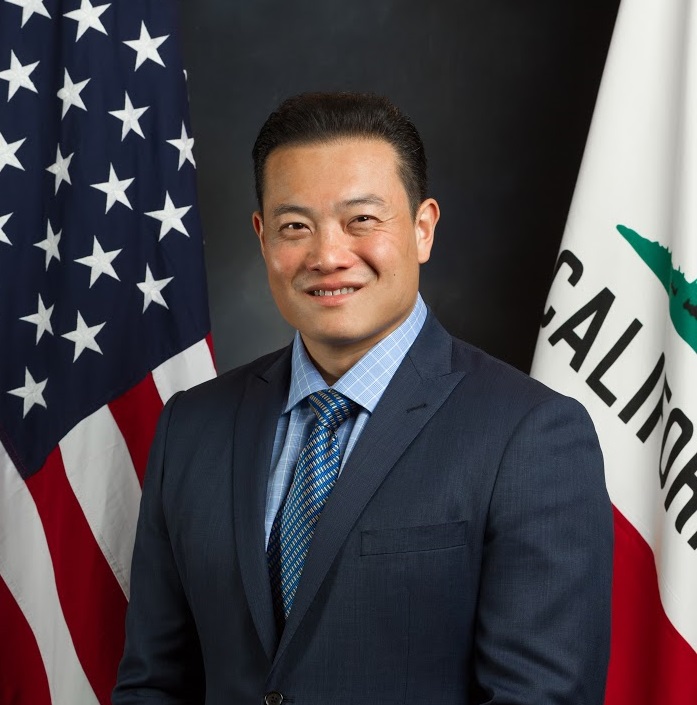
Asm. Phillip Chen
Sponsored bills
This measure would recognize the week of February 20, 2022, to February 26, 2022, as Engineers Week.
This measure would commemorate the 50th anniversary of the University of California Student Association as a contributor to the accessibility, affordability, and quality of postsecondary education, and as an influential voice of University of California students. The measure would recognize the continued need to protect and expand student representation by recognizing February 11, 2022, as "Student Representation Day."
This measure would declare February 4, 2022, as Wear Read Day in California and would declare February 2022 as American Heart Month.
This measure would proclaim the week of March 7, 2022, to March 13, 2022, inclusive, as Women in Construction Week.
This measure would proclaim March 3, 2022, as Triple-Negative Breast Cancer Awareness Day and the month of March 2022 as Triple-Negative Breast Cancer Awareness Month.
Existing law, the California Internet Consumer Protection and Net Neutrality Act of 2018, prohibits internet service providers from taking certain actions that interfere with lawful internet traffic, including exempting some, but not the entire category of, internet content, applications, services, or devices from a customer's data usage allowance. This bill would specify that the act does not prohibit an internet service provider from exempting from a customer's data usage allowance the use of telehealth applications administered by the United States Department of Veterans Affairs.
Existing law imposes an additional and consecutive 3- or 5-year term in the state prison on a person who personally inflicts great bodily injury on a person in the commission of a felony, as specified. This bill would define great bodily injury for purposes of these provisions to include a person who sells, furnishes, administers, or gives away a controlled substance whenever the person sold, furnished, administered, or given the controlled substance suffers from great bodily injury from using the controlled substance. By expanding the scope of an existing crime, this bill would impose a state-mandated local program. The California Constitution requires the state to reimburse local agencies and school districts for certain costs mandated by the state. Statutory provisions establish procedures for making that reimbursement. This bill would provide that no reimbursement is required by this act for a specified reason.

Existing law classifies controlled substances into 5 schedules and places the greatest restrictions and penalties on the use of those substances placed in Schedule I. Existing law classifies the drug fentanyl in Schedule II. Existing law prohibits a person from possessing for sale or purchasing for purposes of sale, specified controlled substances, including fentanyl, and provides for imprisonment in a county jail for 2, 3, or 4 years for a violation of this provision. Existing law also imposes an additional term upon a person who is convicted of a violation of, or of a conspiracy to violate, specified provisions of law with respect to a substance containing heroin, cocaine base, and cocaine, if the substance exceeds a specified weight. Under existing law, the court may strike the additional penalties described above if the court determines that there are circumstances in mitigation of the additional punishment, as specified. This bill would impose an additional term upon a person who is convicted of a violation of, or of a conspiracy to violate, specified provisions of law with respect to a substance containing either fentanyl or oxycodone, if the substance exceeds a specified weight. By expanding the scope of an existing crime, the bill would impose a state-mandated local program. The bill would instead prohibit the court from imposing those additional penalties unless there are circumstances in aggravation to support that additional punishment. The California Constitution requires the state to reimburse local agencies and school districts for certain costs mandated by the state. Statutory provisions establish procedures for making that reimbursement. This bill would provide that no reimbursement is required by this act for a specified reason.