

Existing law authorizes the legislative body of any county or city to adopt ordinances that, among other things, regulate the use of buildings, structures, and land as between industry, business, residences, open space, including agriculture, recreation, enjoyment of scenic beauty, use of natural resources, and other purposes. Existing law requires every city, county, or city and county to, in consultation with the local fire department or district and the utility director, if the city, county, or city and county operates a utility, adopt an ordinance that creates an expedited, streamlined permitting process for electric vehicle charging stations, as provided. This bill would prohibit a local building authority from denying, withholding, or conditioning a certificate of occupancy to a nonprofit applicant solely on the basis that required vehicle charging stations are not fully operational, provided that certain conditions are met, including that the applicant has installed all vehicle charging infrastructure required by applicable law, regulation, or building code in the manner and to the specifications required. By increasing the duties of local officials, this bill would impose a state-mandated local program. The bill would include findings that changes proposed by this bill address a matter of statewide concern rather than a municipal affair and, therefore, apply to all cities, including charter cities. The California Constitution requires the state to reimburse local agencies and school districts for certain costs mandated by the state. Statutory provisions establish procedures for making that reimbursement. This bill would provide that no reimbursement is required by this act for a specified reason.
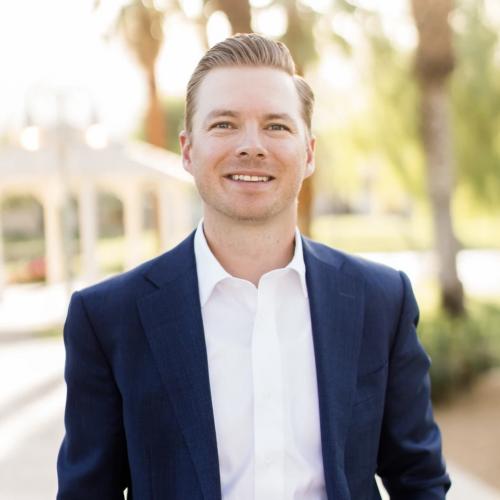
Rep. Greg Wallis
Sponsored bills
This measure would recognize February 2026 as the centennial anniversary of Black History Month, urge all citizens to join in celebrating the accomplishments of African Americans during Black History Month, and encourage the people of California to recognize the many talents of African Americans and the achievements and contributions they make to their communities to create equity and equality for education, economics, and social justice. The measure would recognize the significance in protecting the fundamental human rights enshrined in the United States Constitution and its Amendments, the United States Bill of Rights, and the California Constitution, as specified. The measure would also affirm the commitment of the Legislature all people are equal and shall be treated with respect and dignity and shall enjoy the equal application of the law for which the Legislature has been entrusted.
Maddy summaryThis bill, House Resolution 83, is a commemorative resolution that formally recognizes March 2026 as Developmental Disabilities Awareness Month in California. It does not create new laws or change funding but instead serves to honor the progress made in supporting individuals with developmental disabilities, such as autism and intellectual disabilities, and their families. The resolution salutes the contributions of self-advocates, service providers, regional centers, and families who work together to improve community inclusion and quality of life. Additionally, it directs the Assembly's Chief Clerk to send copies of the resolution to the bill's author for distribution.
This measure would designate February 28, 2026, as Rare Disease Day and, with respect to rare diseases and disorders, would recognize the importance of improving awareness, encouraging accurate and early diagnosis, and supporting national and global efforts to develop effective treatments, diagnostics, and cures.
This measure would recognize February 24, 2026, as a Day of Solidarity with Ukraine, honoring the resilience of the Ukrainian people and acknowledging the ongoing impact of the war on youth, families, and communities.
Maddy summaryThis bill is a House Resolution that formally declares March 2026 as Women's History Month in California. It aims to honor the historical and ongoing contributions of women across various fields such as business, science, and civil rights. The resolution does not create new laws or change existing policies but serves to recognize and celebrate the achievements of women throughout history.
The Planning and Zoning Law requires a city or county to adopt a general plan for land use development of the city or county that includes, among other elements, a housing element. That law requires the housing element to include, among other things, an identification and analysis of existing and projected housing needs. That law requires the city or county to provide by April 1 of each year an annual report to, among other entities, the Department of Housing and Community Development that includes, among other specified information, the number of units of housing demolished and new units of housing that have been issued a completed entitlement, a building permit, or a certificate of occupancy. This bill would additionally require the city or county to include in the annual report the number of suite-style student housing quarters, as determined by the department. By requiring a city or county to include additional information in the annual report, the bill would impose a state-mandated local program. The California Constitution requires the state to reimburse local agencies and school districts for certain costs mandated by the state. Statutory provisions establish procedures for making that reimbursement. This bill would provide that no reimbursement is required by this act for a specified reason. The bill would include findings that changes proposed by this bill address a matter of statewide concern rather than a municipal affair and, therefore, apply to all cities, including charter cities.
Maddy summaryThis bill designates March 2026 as Colorectal Cancer Awareness Month in California to highlight the disease's impact and promote screening efforts. It directly affects all Californians by encouraging early detection through regular check-ups and new testing options, particularly for younger adults and underserved communities facing higher risks. The resolution aims to increase public knowledge about prevention and treatment advancements without mandating specific actions or funding changes.
Maddy summaryACR 116 is a ceremonial resolution honoring Reverend Dr. Martin Luther King, Jr. and commemorating Martin Luther King Jr. Day. It does not create new laws or affect specific groups, as it is a symbolic gesture of recognition. The measure was adopted by the Assembly on January 16, 2026, and is now pending in the Senate Committee on Rules and Legislative Services. This type of resolution typically serves to acknowledge historical figures or events without implementing policy changes.
Maddy summaryACR 118 designates January 13, 2026, as Korean American Day in recognition of Korean American contributions. This ceremonial resolution does not create new laws or affect policy; it simply formally proclaims a specific date for observance. The bill directly affects public acknowledgment of Korean American heritage within the state. It has advanced through committee approval and passed the Assembly with unanimous support.