Maddy summaryThis bill designates the week of April 17 to April 23, 2026, as Cambodian Genocide Memorial Week in California. It aims to honor the survivors and descendants of the Cambodian people while remembering those who died during the Khmer Rouge regime between 1975 and 1979. The resolution calls on all Californians to observe this week by participating in appropriate activities and programs that recognize the tragedy and the resilience of the Cambodian community.
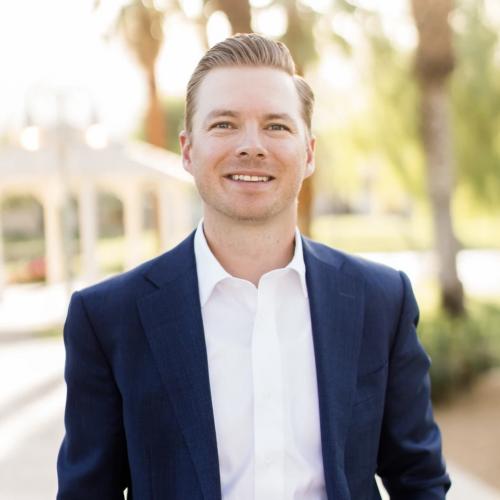
Rep. Greg Wallis
Sponsored bills
Maddy summaryThis bill designates April 14, 2026, as California Holocaust Memorial Day to honor the victims of the Holocaust and promote awareness of the tragedy. It urges all Californians to observe this day with appropriate remembrance activities, such as educational events or moments of reflection. The resolution also highlights the importance of combating antisemitism and other forms of hatred by remembering the historical events and the heroism shown during that time.
Maddy summaryThis House Resolution officially recognizes Vaisakhi as a significant cultural and religious observance for Sikh, Hindu, and Buddhist communities in California. The bill formally acknowledges the festival's historical roots as a harvest celebration and its modern importance for Sikhs, who mark the day with religious ceremonies and the initiation of new members into the Khalsa faith. By designating April 14, 2026, as the date for this recognition, the resolution encourages Californians to participate in the festivities and expresses respect for the diverse traditions associated with the holiday.
Existing law establishes the Department of Consumer Affairs to, among other things, protect consumer interests and regulate specified businesses. Existing law requires a business that provides an online service, product, or feature likely to be accessed by children to comply with specified requirements, including configuring all default privacy settings provided to children to settings that offer a high level of privacy. Existing law prohibits an operator of an internet website, online service, online application, or mobile application directed to minors from marketing or advertising specified products or services to a minor. This bill would enact the California Children's Digital Educational Content Act of 2026, which would require a covered platform, as defined, to establish and maintain a walled garden. The bill would define a walled garden as a clearly designated and easily accessible section of a platform that is dedicated exclusively to educational children's content, as defined. The bill would require a walled garden to meet certain requirements, including that it be free from targeted advertising and be accessible to minors without an account. The bill would authorize the department to adopt regulations to implement these provisions. The bill would require a covered platform to annually submit a compliance report to the department and would authorize the department to conduct audits. The bill would impose specified administrative penalties for violation of its provisions.
Maddy summaryThis bill urges state and local education leaders to formally evaluate new reporting requirements by asking six specific questions about their purpose, audience, value, feasibility, duplication, and duration. It aims to reduce administrative burdens on school districts by ensuring that any new data collection efforts directly support student learning rather than diverting resources. The resolution calls on the Legislature, Governor, and various state agencies to adopt this structured analysis process before implementing additional planning or accountability mandates. By promoting a more coherent system, the bill seeks to help schools use public funds more effectively for classrooms and pupil well-being.
Maddy summaryThis legislative resolution honors Major League Baseball Opening Day 2026 and celebrates the sport's deep historical and cultural significance within California. It acknowledges the state's status as home to five MLB teams and recognizes the contributions of players, coaches, staff, and fans to the community. The text expresses gratitude to team owners and executives for their investment in the franchises while pledging continued support for baseball in the state. Ultimately, the bill serves as a commemorative statement rather than enacting new laws or policy changes.
Maddy summaryThis House Resolution recognizes March 21, 2026, as the International Day of Nowruz in California to honor the Persian New Year celebrated by over 300 million people globally. The bill highlights Nowruz as a 3,000-year-old tradition symbolizing renewal, peace, and community unity that is observed by diverse groups including Afghan, Iranian, Armenian, and Jewish communities, as well as Americans of various backgrounds. By formally acknowledging this date, the resolution aims to celebrate cultural heritage and strengthen ties among different peoples within the state.
Existing law designates specific days as holidays in this state, including Cesar Chavez Day on March 31, and requires the Governor to annually proclaim March 31 as Cesar Chavez Day. This bill would instead designate March 31 as Farmworkers Day and would require the Governor to annually proclaim March 31 as Farmworkers Day. This bill would declare that it is to take effect immediately as an urgency statute.
Existing law, the Motor Vehicle Fuel Tax Law, imposes a tax upon each gallon of motor vehicle fuel removed from a refinery or terminal rack in this state, entered into this state, or sold in this state, at a specified rate per gallon. Existing unfair competition laws establish a statutory cause of action for unfair competition, including any unlawful, unfair, or fraudulent business act or practice and unfair, deceptive, untrue, or misleading advertising and acts prohibited by false advertisement laws. This bill would suspend the imposition of the tax on motor vehicle fuels for one year. The bill would require that all savings realized based on the suspension of the motor vehicle fuels tax by a person other than an end consumer, as defined, be passed on to the end consumer, and would make the violation of this requirement an unfair business practice, in violation of unfair competition laws, as provided. The bill would require a seller of motor vehicle fuels to provide a receipt to a purchaser that indicates the amount of tax that would have otherwise applied to the transaction. This bill would also direct the Controller to transfer a specified amount from the General Fund to the Motor Vehicle Fuel Account in the Transportation Tax Fund. By transferring General Fund moneys to a continuously appropriated account, this bill would make an appropriation. This bill would declare that it is to take effect immediately as an urgency statute.

Existing law imposes various limitations on emissions of air contaminants for the control of air pollution from vehicular and nonvehicular sources. Existing law designates the State Air Resources Board as the state agency with the primary responsibility for the control of vehicular air pollution and as the state agency responsible for monitoring and regulating sources emitting greenhouse gases. Existing law requires the state board to adopt standards, rules, and regulations necessary for the proper execution of the powers and duties granted to, and imposed upon, the state board. This bill would require the state board, when it revises, adopts, or establishes any policy, standard, rule, or regulation that would have a direct financial impact on drivers in the state, to consider the financial burden on drivers, and to prepare a thorough analysis and evaluation of the financial impact of the proposed action on drivers to ensure full transparency.