Maddy summaryThis bill designates the week of October 6 through October 12, 2024, as National 4-H Week throughout California. It directly affects the nearly 6 million young people participating in the 4-H youth development program and the volunteers who support them. The resolution formally recognizes the organization's role in fostering leadership skills and encourages the celebration of 4-H's contributions to health, science, and civic engagement during that specific week.
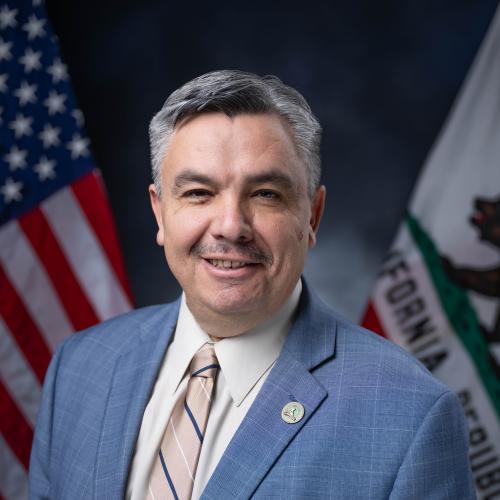
Asm. Juan Carrillo
Sponsored bills
Maddy summaryThis bill designates September 2024 as Sickle Cell Disease Awareness Month in California to highlight the disease's impact, particularly on African American communities. It encourages the state to allocate funds for outreach, education, research, and treatment while also calling for the development of chronic kidney disease screening programs with genetic testing referrals. The resolution aims to raise public knowledge about the condition and support better care outcomes for those affected.
This measure would urge the President and the Congress of the United States to address, with effective policies, the issue of servicemembers who were unjustly discharged under "Don't Ask, Don't Tell" or predecessor provisions, in order to unify efforts to upgrade discharges issued under the DADT policy, and to restore benefits.
Maddy summaryThis bill designates specific periods in 2024 as Boat People Awareness Week and Month to honor Vietnamese refugees who fled their country by sea after the Vietnam War. The resolution highlights the historical hardships these individuals faced, including dangerous voyages and high mortality rates, while acknowledging their significant contributions to communities across California. It does not create new laws or funding but serves as a commemorative measure to recognize the resilience and spirit of the Vietnamese refugee community. The text is intended to be shared with the bill's author for public distribution to raise awareness about this historical event.
Maddy summaryThis bill recognizes August 15, 2024, as India's Independence Day and encourages all Californians to participate in celebrations honoring the occasion. It directly affects the residents of California, particularly the state's large Indian American community, by formally acknowledging the historical significance of the date when India gained independence from British rule. The measure does not create new laws or change government operations; instead, it serves as a symbolic gesture to highlight the cultural contributions of Indian Americans and the shared values of democracy and nonviolence between the two nations.
This measure would declare the month of June 2024 to be Portuguese Heritage Month and would recognize June 10 as the Day of Portugal and May 20 as the Day of the Azores.
Maddy summaryThis bill officially recognizes June 21, 2024, as the 2024 International Day of Yoga within the state of California. It does not create new laws or change existing regulations but serves as a formal acknowledgment of the global event. The measure is intended to highlight the history and benefits of yoga as a wellness practice.
This measure would designate the week of June 23, 2024, to June 29, 2024, inclusive, and every third week of June thereafter, as Roadside Assistance Worker Appreciation Week.
Existing law, until January 1, 2026, makes a person guilty of organized retail theft, punishable as a misdemeanor or a felony, as specified, if the person acts in concert with one or more persons to steal merchandise from one or more merchant's premises or online marketplaces with the intent to sell or return the merchandise for value, acts in concert with 2 or more persons to receive, purchase, or possess merchandise knowing or believing it to have been stolen, acts as an agent of another to steal merchandise from one or more merchant's premises or online marketplaces as part of an organized plan to commit theft, or recruits, coordinates, organizes, supervises, directs, manages, or finances another to undertake acts of theft. This bill would extend the operation of the crime of organized retail theft indefinitely. By extending the operation of an existing crime, this bill would impose a state-mandated local program. The California Constitution requires the state to reimburse local agencies and school districts for certain costs mandated by the state. Statutory provisions establish procedures for making that reimbursement. This bill would provide that no reimbursement is required by this act for a specified reason.

Existing law defines types of theft, including petty theft, grand theft, and shoplifting. Existing law also defines the crimes of robbery and burglary. Existing law sets forth specific rules relating to the jurisdiction for the prosecution of theft by fraud, organized retail theft, and receiving stolen property, including that the jurisdiction for prosecution includes the county where an offense involving the theft or receipt of the stolen merchandise occurred, the county in which the merchandise was recovered, or the county where any act was done by the defendant in instigating, procuring, promoting, or aiding or abetting in the commission of a theft offense or other qualifying offense. Existing law jurisdictionally limits prosecution of each of the above to criminal actions brought by the Attorney General. This bill would no longer limit the jurisdictional rules for the above crimes to criminal actions brought by the Attorney General. If a case is brought by someone other than the Attorney General and multiple offenses are committed by the same defendant in multiple jurisdictions, the bill would allow a criminal action to be brought in any of those jurisdictions subject to a hearing on consolidation of the offenses, as specified. The bill would require the prosecution to present written evidence at the hearing that all district attorneys in counties with jurisdiction over the offenses agree to the venue. The bill would require charged offenses from jurisdictions where there is not a written agreement from the district attorney to be returned to that jurisdiction.