

Existing law, subject to available funding, provides legal counsel to immigrant youth in the State of California. Existing law requires the State Department of Social Services to allocate funding for these purposes, and requires the department to consider whether federal funding has been made available and dispersed to organizations or relevant projects in the state in determining the amount and allocation of contracts awarded. Existing law requires the department to contract with qualified nonprofit legal services organizations, or public defender offices, that meet certain requirements to provide legal counsel to immigrant youth. This bill would, subject to the availability of funding, similarly provide legal counsel to every covered individual subject to certain immigration proceedings if that individual is not otherwise being provided counsel, as specified. The bill would define a covered individual to include an individual who is not represented by counsel and who satisfies the indigency requirements established by the administrator and one or more of certain specified criteria relating to the connection of them or their immigration case to the State California. The bill would require the department to establish the office of the administrator within the department to oversee implementation of these provisions. The bill would require the provisions to be implemented by the administrator, or their designee, by January 1, 2027, and would specify the duties and authorities of the administrator, or their designee, with regard to implementation, including, among others, the authority to develop and implement a phase-in plan. The bill would require the administrator, or their designee, to contract to provide legal counsel for covered individuals with qualified nonprofit legal services organizations or public defender officers that meet the requirements referred to above, or with private firms or private attorneys who meet the criteria for participation in a private attorney panel. The bill would require the administrator to annually submit a report to the Legislature regarding the implementation of these provisions.
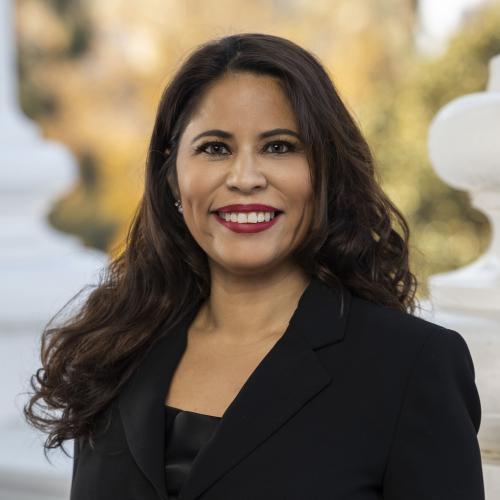
Asm. Liz Ortega
Sponsored bills
Existing law, the Knox-Keene Health Care Service Plan Act of 1975, provides for the licensure and regulation of health care service plans by the Department of Managed Health Care, and makes a willful violation of the act a crime. Existing law provides for the regulation of health insurers by the Department of Insurance. Existing law requires a health care service plan contract issued, amended, delivered, or renewed on or after January 1, 2000, or an individual or group policy of disability insurance or self-insured employee welfare benefit plan to provide coverage for mammography for screening or diagnostic purposes upon referral by specified professionals. Under existing law, mammography performed pursuant to those requirements or that meets the current recommendations of the United States Preventive Services Task Force is provided to an enrollee or an insured without cost sharing. This bill would require a health care service plan contract, a health insurance policy, or a self-insured employee welfare benefit plan issued, amended, or renewed on or after January 1, 2028, to provide coverage without imposing cost sharing for, among other things, screening mammography and medically necessary diagnostic breast imaging, including diagnostic breast imaging following an abnormal mammography result and for an enrollee or insured indicated to have a risk factor associated with breast cancer, except as specified. The California Constitution requires the state to reimburse local agencies and school districts for certain costs mandated by the state. Statutory provisions establish procedures for making that reimbursement. This bill would provide that no reimbursement is required by this act for a specified reason.
Maddy summaryThis bill designates April 2026 as Second Chance Month in California to raise awareness about opportunities for individuals reentering society after incarceration. The measure is a ceremonial proclamation that does not alter laws, allocate funding, or change government operations. Its primary purpose is to encourage public recognition of the challenges faced by formerly incarcerated people and to highlight available support resources during that specific month.
This measure would proclaim the week of April 20, 2026, to April 24, 2026, inclusive, as California Home Visiting Week, and would encourage all Californians to recognize and celebrate the contributions of home visiting programs and professionals and the families they serve.
Maddy summaryThis bill designates the week of April 19 to April 25, 2026, as Mosquito Awareness Week. The measure is a commemorative resolution that officially recognizes this specific time period to highlight mosquito-related issues. It does not create new laws, impose regulations, or allocate funding, but rather serves to raise public awareness through official designation.
Maddy summaryThis bill designates April 2026 as Parkinson's Disease Awareness Month in California. It requires state officials to issue a formal proclamation highlighting the importance of raising public awareness about the condition. The measure does not change laws or allocate funding but serves to recognize the month dedicated to this health issue.
This measure would proclaim March 2026 as American Red Cross Month, dedicate it to all those who continue to advance the noble legacy of the organization's founder, and encourage all Californians to reach out, support the organization's humanitarian mission, and join in their commitment to care for people in need.
Maddy summaryThis bill designates April 14 of every year as Sylvia Mendez Day to honor the civil rights activist who challenged school segregation in California. The measure is a commemorative resolution that does not change laws, allocate funding, or alter government operations. By establishing this annual observance, the state recognizes Mendez's historical contributions to education and civil rights.
Maddy summaryThis bill designates the week of April 5, 2026, through April 11, 2026, as Special Districts Week. It directly affects special districts, which are local government entities that provide specific services like water supply or fire protection to communities. The primary mechanism is an official proclamation that encourages public awareness and recognition of the work these districts perform. This measure does not alter any laws or budgets but serves as a commemorative resolution to highlight the importance of special districts.
Maddy summaryThis bill designates the week of April 12 to April 18, 2026, as California Public Safety Telecommunicators Week to honor the work of emergency call operators. The measure does not change laws or allocate funding; it simply establishes an official state observance. By creating this designated week, the legislation aims to bring public attention to the role of telecommunicators without altering their duties or compensation.