

Existing law establishes the Medi-Cal program, which is administered by the State Department of Health Care Services, under which qualified low-income individuals receive health care services. The Medi-Cal program is, in part, governed by, and funded pursuant to, federal Medicaid program provisions. Existing law, the Budget Act of 2025, appropriates funds to the department to create a comprehensive hospital value strategy to advance access to high-quality inpatient and outpatient hospital services, financially incentivize appropriate care delivery, and improve health outcomes for Medi-Cal beneficiaries. In developing the comprehensive hospital value strategy described above, this bill would require the department to engage with relevant stakeholders with firsthand experience, including, but not limited to, hospitals, cities, counties, cities and counties, organizations representing these groups, and other affected stakeholders as the department deems necessary. The bill would require the department to ensure that the comprehensive hospital value strategy includes a focus on rural hospitals, critical access hospitals, and public hospitals.
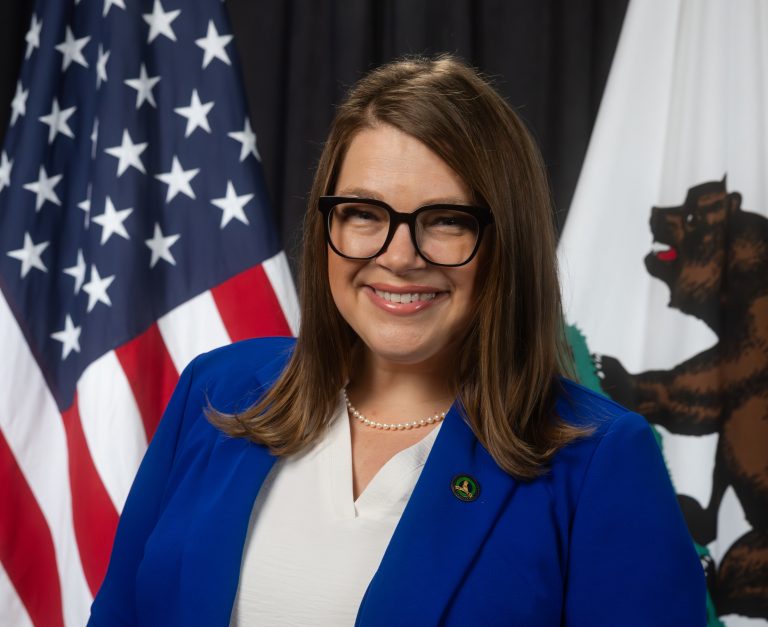
Asm. Heather Hadwick
Sponsored bills
Maddy summaryThis bill designates March 2026 as Colorectal Cancer Awareness Month in California to highlight the disease's impact and promote screening efforts. It directly affects all Californians by encouraging early detection through regular check-ups and new testing options, particularly for younger adults and underserved communities facing higher risks. The resolution aims to increase public knowledge about prevention and treatment advancements without mandating specific actions or funding changes.
Maddy summaryThis resolution designates February 6, 2026, as "Wear Red Day" in California to raise public awareness about heart health, aligning with the national Heart Disease Awareness initiative. It does not create new laws or requirements but formally recognizes the day for voluntary public observance by California residents. The measure is ceremonial and procedural, solely intended to highlight heart health awareness through state-level acknowledgment.
Existing law requires land to be declared either surplus land or exempt surplus land, as supported by written findings, before a local agency may take any action to dispose of it consistent with an agency's policies or procedures. Existing law establishes procedures for the disposal of surplus land, including requiring certain information to be provided to the Department of Housing and Community Development. These procedures do not apply to the disposal of exempt surplus land. Existing law establishes various categories of exempt surplus land, including surplus land that is a former street, right-of-way, or easement, and is conveyed to an owner of an adjacent property. This bill would broaden the definition of exempt surplus land to include land that is unsuitable for housing development due to the presence of one or more specified characteristics, including land with slope instability that increases risk of mudslides, landslides, subsidence, liquefaction, and other seismic hazards.
This measure would proclaim the month of January 2026 as National Mentoring Month, and would proudly recognize Big Brothers Big Sisters of Central California for its unwavering commitment to the children and families of our region and its enduring impact on future generations.
Maddy summaryACR 122 designates the week of January 25-31, 2026, as Anesthesiologists Week to honor anesthesiologists for their contributions to patient care. This ceremonial resolution has no binding effect or policy changes - it simply recognizes the profession through a symbolic week-long observance. It directly affects the broader public by raising awareness of anesthesiologists' roles, but does not impose requirements or alter laws. The bill is currently pending in the Senate Committee on Rules and Licensing (RLS).
Existing law establishes the Transportation Agency, which consists of various departments and state entities, including the California Transportation Commission and the Department of Transportation. Existing law provides various sources of revenue for transportation projects undertaken by state and local agencies. This bill would state the intent of the Legislature to enact subsequent legislation related to transportation.
This measure would recognize January as National Blood Donor Month and urge all citizens to celebrate the cause of blood donation and recognize volunteer blood donors for their generous gifts, urge all eligible blood donors to donate regularly, and encourage businesses and organizations throughout the state to sponsor community-based blood drives with their local blood centers and provide citizens of our State with the opportunity to give.
This measure would designate the portion of State Route 101 in the County of Santa Clara from Story Road to the junction with State Highway Route 280 and State Highway Route 680 as the Little Saigon Freeway. The measure also would request the Department of Transportation to determine the cost of appropriate signs showing that special designation and, upon receiving donations from nonstate sources sufficient to cover the cost, to erect those signs.
Maddy summaryThis bill is a House Resolution that formally recognizes the history of Japanese American incarceration during World War II and honors the service of Japanese American veterans. It details how Executive Order 9066 led to the removal of over 125,000 people of Japanese ancestry from their homes and describes the subsequent military contributions of these individuals, including recipients of the Medal of Honor. The resolution also acknowledges the government's admission that the incarceration was based on racial prejudice rather than military necessity and notes previous state and federal apologies and reparations. By citing these historical facts, the bill serves to educate the public and reaffirm the state's commitment to preventing similar civil rights violations in the future.