Issue · Immigration

Immigration (Sanctuary Policies)

Every immigration bill, vote, and legislator stance in California, automatically classified by Maddy, our AI policy reader.

Total bills
19
2025-2026 Regular Session
Top supporter
Juan Alanis
89% support rate
Top opponent
James Gallagher
25% support rate
Ranked legislators
10
5 support · 5 oppose
Key legislators

Who's moving sanctuary policies in California

Legislators moving sanctuary policies in California
Legislator Party Stance Support rate Votes
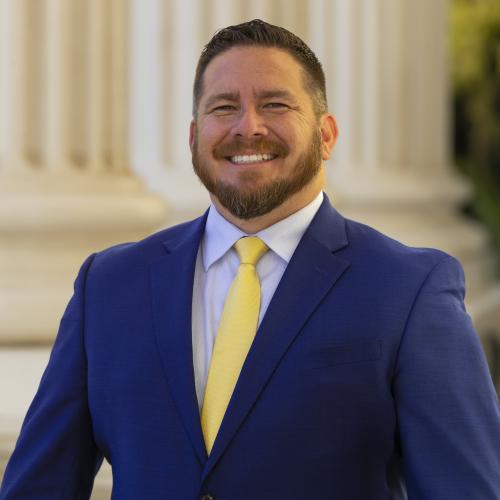
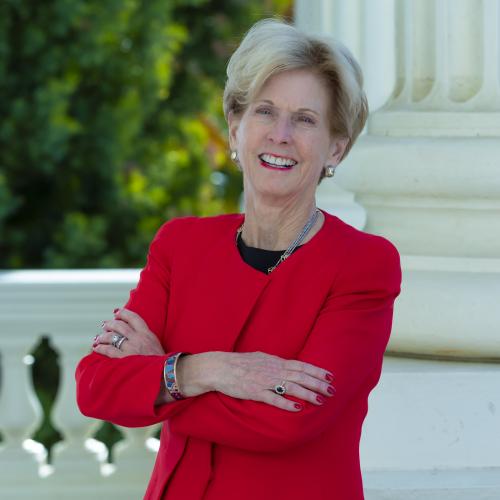
Juan Alanis
Juan Alanis House · District 22
R
Strong +
89% 19
Laurie Davies
Laurie Davies House · District 74
R
Strong +
85% 13
Greg Wallis
Greg Wallis House · District 47
R
Strong +
83% 18
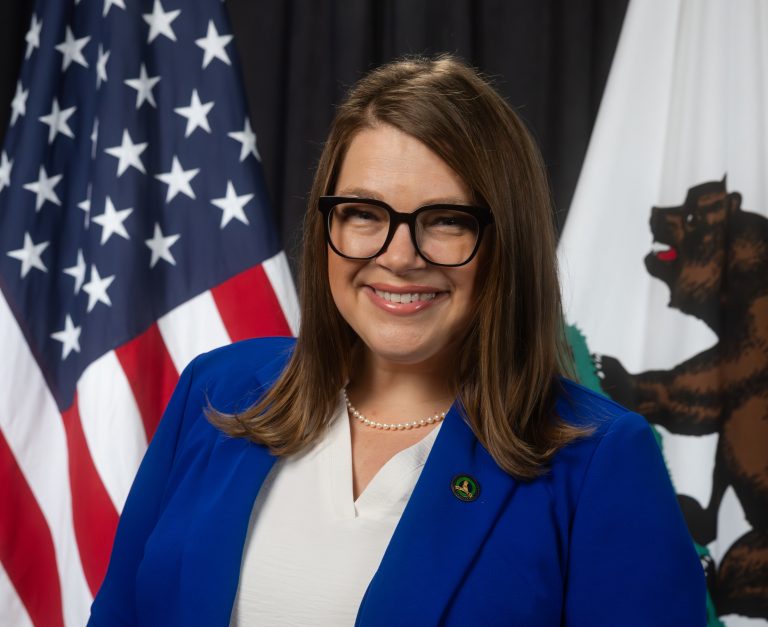
Melissa Hurtado
Melissa Hurtado Senate · District 16
D
Support
75% 16
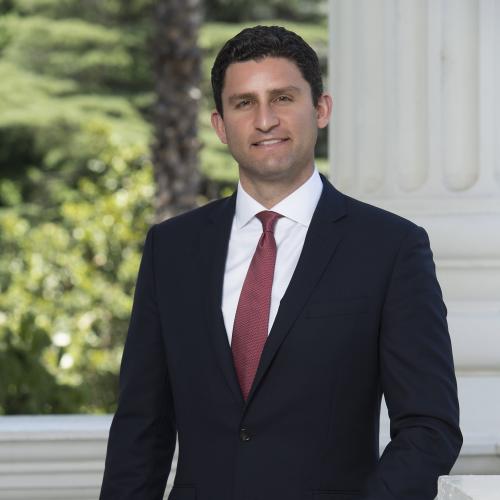
Jesse Gabriel
Jesse Gabriel House · District 46
D
Support
73% 22
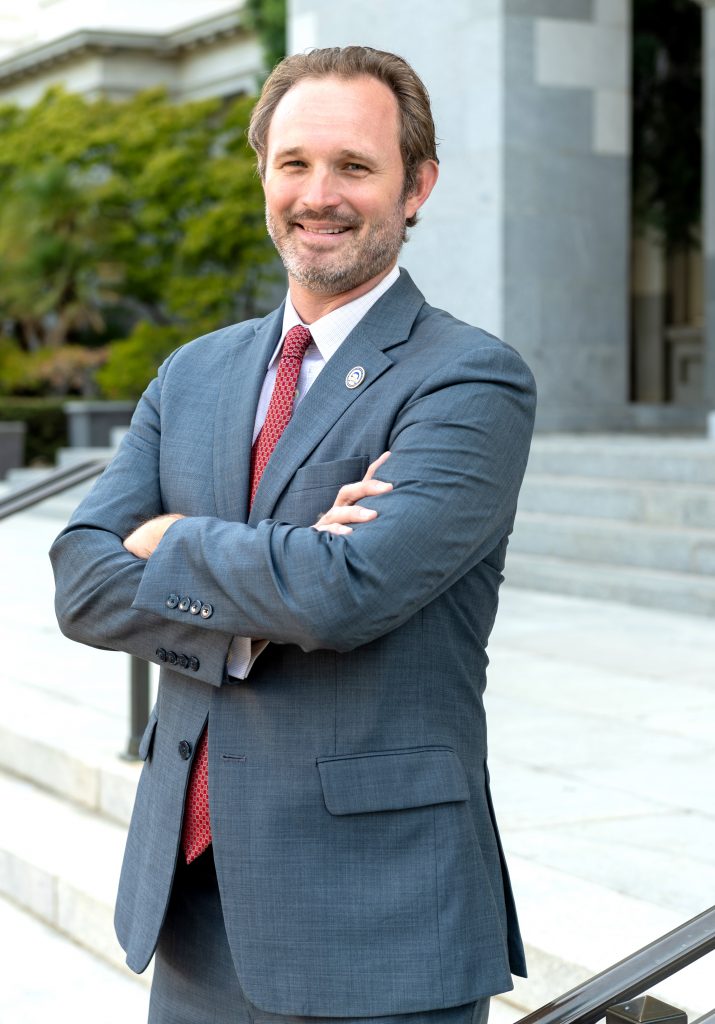
James Gallagher
James Gallagher House · District 3
R
Oppose
25% 12
Kate Sanchez
Kate Sanchez House · District 71
R
Oppose
32% 41
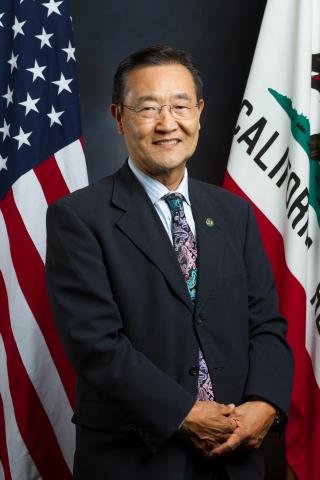
Steve Choi
Steve Choi Senate · District 37
R
Oppose
33% 21
Diane Dixon
Diane Dixon House · District 72
R
Oppose
34% 44
Heather Hadwick
Heather Hadwick House · District 1
R
Oppose
35% 23
Showing 1–10 of 19 bills

All immigration bills

in committee · California · Assembly Apr 14, 2026

AB 2500: Immigration services: immigration bonds.

Existing law requires the State Department of Social Services, subject to an appropriation, to provide grants to qualified nonprofit organizations through contracts, in order to provide persons with certain immigration-related legal services, including, among other things, services to obtain other immigration remedies and benefits. Existing law defines immigration benefits as including advanced parole, employment authorization documents, and lawful Permanent Resident Card renewal. This bill would expand the meaning of immigration benefits for these purposes to also include assistance with immigration bonds.
in committee · California · Assembly May 14, 2026

AB 2019: Community colleges: deported or detained faculty.

Existing law establishes the California Community Colleges, under the administration of the Board of Governors of the California Community Colleges, as one of the segments of public postsecondary education in this state. Existing law establishes community college districts throughout the state and authorizes them to provide instruction at the campuses they operate. Existing law requires the governing boards of community college districts, among other postsecondary educational entities, to the fullest extent consistent with state and federal law, to implement various precautionary measures when federal immigration enforcement activities are undertaken on campuses of those entities, as specified. This bill would require a community college district to allow its faculty who departed the United States on or after January 1, 2027, for a specified reason, including, among others, due to immigration enforcement actions by the Department of Homeland Security, and who was teaching for the community college district at the time of departure to perform their instruction and professional duties through distance education or other remote modalities offered by the community college district, as provided. By imposing new duties on community college districts, the bill would impose a state-mandated local program. The California Constitution requires the state to reimburse local agencies and school districts for certain costs mandated by the state. Statutory provisions establish procedures for making that reimbursement. This bill would provide that, if the Commission on State Mandates determines that the bill contains costs mandated by the state, reimbursement for those costs shall be made pursuant to the statutory provisions noted above.
passed both · California · Assembly Aug 26, 2026

AB 1807: Immigration enforcement: use of state-owned property.

Existing law includes various provisions limiting how state and local entities may use their resources for immigration enforcement purposes. This bill would prohibit the use of state-owned property for purposes of immigration enforcement, as specified. In this regard, the bill would prohibit, among other uses, staging, assembling, mobilizing, or deploying vehicles, equipment, or personnel for immigration enforcement purposes. The bill would require the Department of General Services and state agencies to work together to identify state-owned property previously or likely to be used for immigration enforcement purposes. The bill would require state agencies to post signage at those properties regarding the prohibition and to use physical barriers limiting access, as provided. The bill would require state agencies to develop procedures to ensure that an attempted or actual use of state-owned property for immigration enforcement purposes is documented in writing, that the documentation includes any photographic or video evidence, and that the Attorney General's office or the Attorney General's designee is notified. The bill would direct state agencies to make educational materials available regarding the rights of employees, tenants, and security staff if federal agents enter state-owned property. The bill would further require the Attorney General's office to design standardized signage and to make the signage available to download free of charge on the Attorney General's internet website.
in committee · California · Assembly Apr 21, 2026

AB 2669: Pleas: immigration.

Existing law provides the pleas a defendant may make to an indictment, information, or complaint charging a misdemeanor or infraction. Existing law requires defense counsel to advise a defendant about the immigration consequences of a proposed disposition, as specified. Existing law requires the prosecution to consider the avoidance of adverse immigration consequences in the plea negotiation process, as specified. This bill would instead require the prosecution to meet and confer during the negotiation process with the defense in an effort to avoid the adverse immigration consequences of a plea, conviction, or sentence. The bill would establish a rebuttable presumption of a violation of the above-described requirement if the defendant asserts facts that provide a prima facie showing that during negotiations the defendant proposed an alternative plea or sentence that would avoid adverse immigration consequences, including, among other things, an offense of greater seriousness, and the prosecution declined the offer. Upon a prima facie showing of the above-described circumstances, the bill would require the court to order a hearing and would require the prosecution to demonstrate good cause for the failure to offer a plea that would avoid adverse immigration consequences. If the court finds that the prosecuting attorney failed to establish good cause at the above-described hearing, the bill would require the court to impose an appropriate remedy, as specified. By imposing additional duties on local prosecutors, the bill would impose a state-mandated local program. The California Constitution requires the state to reimburse local agencies and school districts for certain costs mandated by the state. Statutory provisions establish procedures for making that reimbursement. This bill would provide that, if the Commission on State Mandates determines that the bill contains costs mandated by the state, reimbursement for those costs shall be made pursuant to the statutory provisions noted above.
in committee · California · Assembly May 14, 2026

AB 2600: Immigration: access to legal counsel.

Existing law, subject to available funding, provides legal counsel to immigrant youth in the State of California. Existing law requires the State Department of Social Services to allocate funding for these purposes, and requires the department to consider whether federal funding has been made available and dispersed to organizations or relevant projects in the state in determining the amount and allocation of contracts awarded. Existing law requires the department to contract with qualified nonprofit legal services organizations, or public defender offices, that meet certain requirements to provide legal counsel to immigrant youth. This bill would, subject to the availability of funding, similarly provide legal counsel to every covered individual subject to certain immigration proceedings if that individual is not otherwise being provided counsel, as specified. The bill would define a covered individual to include an individual who is not represented by counsel and who satisfies the indigency requirements established by the administrator and one or more of certain specified criteria relating to the connection of them or their immigration case to the State California. The bill would require the department to establish the office of the administrator within the department to oversee implementation of these provisions. The bill would require the provisions to be implemented by the administrator, or their designee, by January 1, 2027, and would specify the duties and authorities of the administrator, or their designee, with regard to implementation, including, among others, the authority to develop and implement a phase-in plan. The bill would require the administrator, or their designee, to contract to provide legal counsel for covered individuals with qualified nonprofit legal services organizations or public defender officers that meet the requirements referred to above, or with private firms or private attorneys who meet the criteria for participation in a private attorney panel. The bill would require the administrator to annually submit a report to the Legislature regarding the implementation of these provisions.
passed · California · Senate Aug 13, 2026

SB 1257: Federal immigration enforcement: report.

Existing law, the California Values Act, requires the Attorney General, by October 1, 2018, in consultation with the appropriate stakeholders, to publish model policies limiting assistance with immigration enforcement to the fullest extent possible consistent with federal and state law at public schools, public libraries, health facilities operated by the state or a political subdivision of the state, courthouses, Division of Labor Standards Enforcement facilities, the Agricultural Labor Relations Board, the Division of Workers' Compensation, and shelters and ensure that they remain safe and accessible to all California residents, regardless of immigration status. The act requires all public schools, health facilities operated by the state or a political subdivision of the state, and courthouses to implement the model policy or an equivalent policy. This bill would require the Attorney General, on or before October 30, 2027, and annually thereafter, to submit to the Legislature and the Governor, and post on its internet website, a report that includes, among other things, a summary of all immigration enforcement incidents and activities occurring on or after September 1, 2025, conducted by a person at a designated location that have been reported by the designated location or a person who witnessed the activity to the Attorney General, as specified. The bill would authorize the Attorney General to request representatives of a designated location to furnish any reported immigration enforcement incidents and activities as part of compiling its annual report and would authorize the Attorney General to issue civil penalties or conduct other enforcement activity to ensure compliance with these provisions. The bill would prohibit the report from including any personally identifiable information regarding an individual stopped, detained, or arrested by an individual conducting an immigration enforcement activity. The bill would define "designated location" to mean schoolsites, health care provider entities, shelters, polling places, state courthouses, public transportation access points, and state and local government property. The bill would define "immigration enforcement" for these purposes to mean an effort to investigate, enforce, or assist in the investigation or enforcement of a federal civil or criminal immigration lawsuit. To the extent the bill would impose duties on locals, this bill would impose a state-mandated local program. The California Constitution requires the state to reimburse local agencies and school districts for certain costs mandated by the state. Statutory provisions establish procedures for making that reimbursement. This bill would provide that, if the Commission on State Mandates determines that the bill contains costs mandated by the state, reimbursement for those costs shall be made pursuant to the statutory provisions noted above.
passed both · California · Senate Aug 26, 2026

SB 942: Civil detainees.

Existing law, the Lanterman-Petris-Short (LPS) Act, authorizes the involuntary commitment and treatment of a person, when the person, as a result of a mental health disorder, is a danger to themselves or others, or is gravely disabled. Existing law grants persons involuntarily detained in state hospitals as a result of developmental or mental health disabilities specified rights, including a right to dignity, privacy, and humane care, to be free from harm, to religious freedom and practice, and to physical exercise and recreational opportunities. This bill, the Civil Detainees' Bill of Rights Act of 2026, would clarify that all persons housed or detained for purposes of civil immigration proceedings in California at any state, county, local, or private locked detention facility, including any county, local, or private locked detention facility in which an individual is housed or detained on behalf of, or pursuant to a contract with, the federal Office of Refugee Resettlement or the United States Immigration and Customs Enforcement, have the legal rights and responsibilities guaranteed all other persons by the United States Constitution and federal law and the California Constitution and state law, unless specifically limited by federal or state law or regulations. The bill would grant persons housed or detained for the purposes of civil immigration proceedings in California certain rights, including a right to dignity, privacy, and humane care, a right to clean facilities and living quarters, and a right to safe and healthy food. The bill would reaffirm the intent of the Legislature that individuals housed or detained as a result of developmental or mental health disabilities have the rights described above. The bill would require the rights of individuals involuntarily housed as a result of developmental or mental health disabilities or civilly detained in California to be observed and protected by the operator of any facility in California in which the individuals are housed or civilly detained. The bill would authorize the Attorney General to bring a civil action for injunctive and other relief in order to protect any of the above-described rights, and would additionally authorize the Attorney General to seek a civil penalty not to exceed $2,500 for each violation. The bill would require all necessary access for the observations necessary to ensure compliance with the above-described requirements to be provided to the Attorney General. The bill would make related findings and declarations. The bill would declare that it is to take effect immediately as an urgency statute.
passed both · California · Assembly Aug 25, 2026

AB 1655: CalWORKs: temporary absence: immigration detention.

Existing law establishes the California Work Opportunity and Responsibility to Kids (CalWORKs) program, under which, through a combination of federal, state, and county funds, each county provides cash assistance and other benefits to qualified low-income families. Existing law sets forth provisions for the calculation of the amount of CalWORKs aid eligible to a household based in part on the size of the assistance unit. Under existing law and CalWORKs rules, aid is not affected for a member of the assistance unit who is temporarily absent from the home, and a child who is a patient in a public or private hospital for medical or surgical care is considered temporarily absent from the home for the duration of the hospital stay. Under this bill, beginning July 1, 2027, or when the department notifies the Legislature that the Statewide Automated Welfare System can perform the necessary automations, whichever is later, a child or other member of the assistance unit who is detained in a federal immigration detention facility would be considered temporarily absent from the home for the duration of the detention. Under the bill, the assistance unit would remain eligible to continue receive assistance and services if specified conditions are met, including that the remaining members of the assistance unit continue to meet eligibility requirements. The bill would authorize any written sworn statement by the applicant or recipient to be sufficient to establish that a member of the assistance unit has been detained in an immigration detention facility. The bill would authorize the department to implement these provisions through all-county letters or similar written instructions until regulations are adopted. The bill would make related legislative findings. By creating new duties for counties relating to expanded eligibility under CalWORKS, the bill would impose a state-mandated local program. Existing law continuously appropriates moneys from the General Fund to defray a portion of county costs under the CalWORKs program. This bill would instead provide that the continuous appropriation would not be made for purposes of the bill. The California Constitution requires the state to reimburse local agencies and school districts for certain costs mandated by the state. Statutory provisions establish procedures for making that reimbursement. This bill would provide that, if the Commission on State Mandates determines that the bill contains costs mandated by the state, reimbursement for those costs shall be made pursuant to the statutory provisions noted above.
passed both · California · Assembly Aug 28, 2026

AB 1633: Taxation: private detention facilities.

Existing law imposes taxes upon income and real property, and taxes upon certain transactions and excise taxes. The Fee Collection Procedures Law provides procedures for the collection of certain fees and surcharges and is administered by the California Department of Tax and Fee Administration (CDTFA) . Under existing law, a violation of the Fee Collection Procedures Law is a crime. This bill would, beginning July 1, 2028, establish the Private Detention Facility Tax Law, which would impose an annual tax on each private detention facility operator, as defined, equal to 25% of the operator's gross income, as defined, for the prior fiscal year, as defined. The bill would establish the Due Process for All Fund in the State Treasury, except as provided, and would require all revenues collected, less refunds and reimbursement to the CDTFA, be deposited into the fund. In the event that Assembly Bill 2465 is enacted, the bill would instead require all revenues be deposited into the Due Process for All Fund as established by that bill. The bill would direct moneys in the fund, upon appropriation by the Legislature, be used for immigration-related services. The bill would require the CDTFA to administer and collect the tax pursuant to the Fee Collection Procedures Law. By expanding the application of the crimes associated with the Fee Collection Procedures Law, the bill would impose a state-mandated local program. This bill would include a change in state statute that would result in a taxpayer paying a higher tax within the meaning of Section 3 of Article XIIIA of the California Constitution, and thus would require for passage the approval of 23 of the membership of each house of the Legislature. The California Constitution requires the state to reimburse local agencies and school districts for certain costs mandated by the state. Statutory provisions establish procedures for making that reimbursement. This bill would provide that no reimbursement is required by this act for a specified reason. This bill would take effect immediately as a tax levy.
failed · California · Assembly Feb 2, 2026

AB 421: Immigration enforcement: prohibitions on access, sharing information, and law enforcement collaboration.

Existing law, the California Values Act, generally prohibits California law enforcement agencies from investigating, interrogating, detaining, detecting, or arresting persons for immigration enforcement purposes. Existing law provides certain limited exceptions to this prohibition, including transfers of persons pursuant to a judicial warrant and providing certain information to federal authorities regarding serious and violent felons in custody. This bill would prohibit California law enforcement agencies from collaborating with, or providing any information in writing, verbally, on in any other manner to, immigration authorities regarding proposed or currently underway immigration enforcement actions when the actions could be or are taking place within a radius of one mile of any childcare or daycare facility, religious institution, place of worship, hospital, or medical office. To the extent this bill would impose additional duties on local law enforcement agencies or officials, the bill would impose a state-mandated local program. The California Constitution requires the state to reimburse local agencies and school districts for certain costs mandated by the state. Statutory provisions establish procedures for making that reimbursement. This bill would provide that, if the Commission on State Mandates determines that the bill contains costs mandated by the state, reimbursement for those costs shall be made pursuant to the statutory provisions noted above. This bill would declare that it is to take effect immediately as an urgency statute.
Showing 1 to 10 of 19 bills
1 2 Next