Issue · Criminal Justice

Criminal Justice

Every criminal justice bill, vote, and legislator stance in California, automatically classified by Maddy, our AI policy reader.

Total bills
310
2025-2026 Regular Session
Top supporter
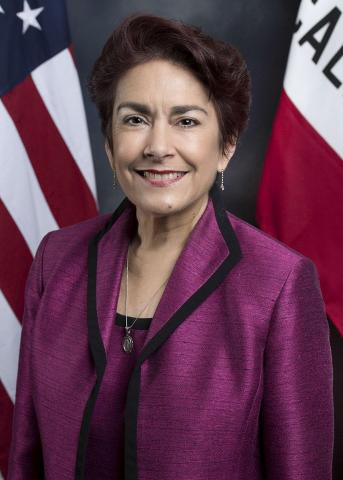
Anna Caballero
92% support rate
Top opponent
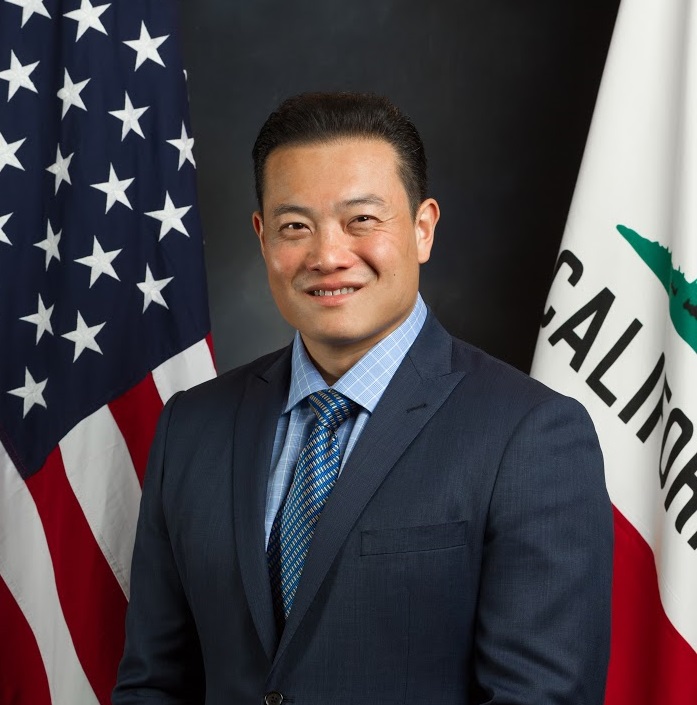
Phillip Chen
8% support rate
Ranked legislators
10
5 support · 5 oppose
Key legislators

Who's moving criminal justice in California

Legislators moving criminal justice in California
Legislator Party Stance Support rate Votes
Anna Caballero
Anna Caballero Senate · District 14
D
Strong +
92% 732
Joaquin Arambula
Joaquin Arambula House · District 31
D
Strong +
92% 528
Celeste Rodriguez
Celeste Rodriguez House · District 43
D
Strong +
91% 364
Rebecca Bauer-Kahan
Rebecca Bauer-Kahan House · District 16
D
Strong +
91% 467
Aisha Wahab
Aisha Wahab Senate · District 10
D
Strong +
90% 765
Phillip Chen
Phillip Chen House · District 59
R
Strong −
8% 316
Heath Flora
Heath Flora House · District 9
R
Strong −
11% 275
Brian Jones
Brian Jones Senate · District 40
R
Strong −
11% 398
Carl DeMaio
Carl DeMaio House · District 75
R
Strong −
12% 468
Ali Macedo
Ali Macedo House · District 33
R
Strong −
12% 532
Showing 281–290 of 310 bills

All criminal justice bills

signed · California · Assembly Oct 13, 2025

AB 812: Recall and resentencing: incarcerated firefighters.

Existing law authorizes a court, on its own motion within 120 days of the date of the defendant's commitment, or at any time if the applicable sentencing laws have changed or upon a recommendation from the Secretary of the Department of Corrections and Rehabilitation, the Board of Parole Hearings, or the district attorney, to recall a defendant's sentence and resentence that defendant to a lesser sentence. Existing law establishes the California Conservation Camps for the purpose of having incarcerated persons work on projects supervised by the Department of Forestry and Fire Protection. Existing law requires the department to utilize incarcerated persons assigned to conservation camps in performing fire prevention, fire control, and other work at the department. This bill would require the Department of Corrections and Rehabilitation, no later than July 1, 2027, to promulgate regulations, as specified, regarding the referral of participants in the California Conservation Camp program and incarcerated persons working at institutional firehouses for resentencing.
failed · California · Assembly Feb 2, 2026

AB 479: Criminal procedure: vacatur relief.

Existing law allows a person who was arrested or convicted of a nonviolent offense while they were a victim of intimate partner violence, or sexual violence, to petition the court, under penalty of perjury, for vacatur relief. Existing law requires, in order to receive that relief, that the petitioner establish, by clear and convincing evidence, that the arrest or conviction was the direct result of being a victim of intimate partner violence or sexual violence that demonstrates the petitioner lacked the requisite intent. Existing law authorizes the court to vacate the conviction if it makes specified findings. This bill would require the court, before it may vacate the conviction, to make findings regarding the impact on the public health, safety, and welfare, if the petitioner holds a license, as defined, and the offense is substantially related to the qualifications, functions, or duties of a licensee. The bill would require a petitioner who holds a license to serve the petition and supporting documentation on the applicable licensing entity and would give the licensing entity 45 days to respond to the petition for relief.
failed · California · Assembly Feb 2, 2026

AB 633: Human trafficking: vacatur relief for victims.

Existing law allows a person who was arrested or convicted of a nonviolent offense while they were a victim of human trafficking to petition the court, under penalty of perjury, for vacatur relief. To receive that relief, existing law requires that the person establish, by clear and convincing evidence, that the arrest or conviction was the direct result of being a victim of human trafficking, intimate partner violence, or sexual violence, which demonstrates that the person lacked the requisite intent to commit the offense. Existing law requires the court, under those circumstances, to find that the person lacked the requisite intent to commit the offense and to vacate the conviction as invalid due to legal defect at the time of the arrest or conviction. Existing law requires a court that issues an order for relief pursuant to these provisions to also order any law enforcement agency having jurisdiction over the offense to seal and destroy their records of the offense. This bill would expand that relief to also be available for persons who were convicted of or arrested for any offense committed when they were under the age of 18 and while they were a victim of human trafficking. Because this bill would authorize more petitions to be filed under penalty of perjury, by expanding the scope of the crime of perjury, this bill would impose a state-mandated local program. The California Constitution requires the state to reimburse local agencies and school districts for certain costs mandated by the state. Statutory provisions establish procedures for making that reimbursement. This bill would provide that no reimbursement is required by this act for a specified reason.
signed · California · Senate Apr 29, 2025

SCR 36: Relative to Crime Victims' Rights Week.

Senate Concurrent Resolution 36 designates April 6-12, 2025, as Crime Victims' Rights Week. This measure formally recognizes the week to acknowledge the importance of crime victims' rights.
failed · California · Assembly Feb 2, 2026

AB 1483: Supervision: violations.

Existing law requires prisoners sentenced to imprisonment in the state prison to serve time on parole or community supervision after their release from prison. Existing law authorizes courts to suspend the imposition or execution of punishments in specified criminal cases and instead enforce terms of probation or mandatory supervision. Existing law allows agencies responsible for supervision to determine appropriate responses to alleged violations, which can include, among other things, a one to 10 consecutive day period of flash incarceration. This bill would prohibit a person on any of those forms of supervision from being arrested, detained, or incarcerated for a technical violation of supervision, as defined, unless the person on supervision has had their supervision revoked by a judge after a revocation petition has been filed, except as specified. The bill would define a technical violation as any conduct in violation of a person's conditions of supervision that is not a new misdemeanor or felony. The bill would require a supervision agent to provide a person accused of a technical violation with a written summary of the technical violations alleged against them. The bill would prohibit the use of flash incarceration, and would make conforming changes. The bill would limit confinement pursuant to a revocation of supervision for a technical violation to no more than 7 days for the first revocation, 15 days for the 2nd revocation, and 30 days for the 3rd or subsequent revocation. By increasing duties on local supervision agents, this bill would impose a state-mandated local program. The California Constitution requires the state to reimburse local agencies and school districts for certain costs mandated by the state. Statutory provisions establish procedures for making that reimbursement. This bill would provide that, if the Commission on State Mandates determines that the bill contains costs mandated by the state, reimbursement for those costs shall be made pursuant to the statutory provisions noted above.
failed · California · Assembly Feb 2, 2026

AB 1013: Peace officer training: behavioral health.

Existing law requires the Commission on Peace Officer Standards and Training to establish and keep updated a classroom-based continuing training course that includes instructor-led active learning, such as scenario-based training, relating to behavioral health and law enforcement interaction with persons with mental illness, intellectual disability, and substance use disorders. Existing law requires the commission to make available the course to each law enforcement officer with a rank of supervisor or below and who is assigned to patrol duties or to supervise officers who are assigned to patrol duties. This bill would authorize the commission to partner with local departments of behavioral health, community-based organizations, or nonprofit organizations to establish and keep updated this classroom-based continuing training course. The bill would require a law enforcement officer with a rank of supervisor or below and who is assigned to patrol duties or to supervise officers who are assigned to patrol duties to complete the course. By imposing additional training costs on local law enforcement agencies, this bill would impose a state-mandated local program. The California Constitution requires the state to reimburse local agencies and school districts for certain costs mandated by the state. Statutory provisions establish procedures for making that reimbursement. This bill would provide that, if the Commission on State Mandates determines that the bill contains costs mandated by the state, reimbursement for those costs shall be made pursuant to the statutory provisions noted above.
Sub-Topics Law Enforcement
failed · California · Senate Feb 2, 2026

SB 38: Second Chance Program.

Existing law establishes the Second Chance Program to support mental health treatment, substance use treatment, and diversion programs for persons in the criminal justice system with an emphasis on programs that reduce recidivism of persons convicted of less serious crimes and persons who have substance use and mental health problems. Existing law requires the Board of State and Community Corrections to administer a grant program to carry out the purposes of the Second Chance Program. Existing law requires the grant program to, among other things, restrict eligibility to proposals that offer mental health services, substance use disorder treatment services, misdemeanor diversion programs, or a combination thereof. Existing law also establishes the Second Chance Fund, a continuously appropriated fund, which is administered by the board. Existing law, the Treatment-Mandated Felony Act, makes it a crime for a person, who has 2 or more prior convictions for a felony or misdemeanor violation of specified controlled substances crimes, to possess a hard drug, as defined, unless it has been prescribed by a doctor, among others. Under existing law, a defendant who has been charged with this crime can elect treatment, in lieu of a jail or prison sentence or probation, by pleading guilty or no contest and admitting the alleged prior convictions, waiving time for sentencing and the pronouncement of judgment, and agreeing to participate in, and complete, a detailed treatment program developed by a drug addiction expert and approved by the court. This bill would require the Second Chance grant program to authorize eligibility for proposals that offer mental health or behavioral health services and drug court or collaborative court programs, including the treatment program under the Treatment-Mandated Felony Act. By expanding the purpose of a continuously appropriated fund, this bill would make an appropriation.
failed · California · Assembly Feb 2, 2026

AB 809: Corrections: rehabilitation space.

Existing law grants the Department of Corrections and Rehabilitation authority to operate the state prison system and gives the department jurisdiction over various state prisons and other institutions. Existing law requires the department to make college programs available at every state prison and requires that these programs be provided by the California Community Colleges, the California State University, or the University of California, or other accredited, nonprofit colleges or universities. This bill would require the department, on or before January 1, 2028, and annually thereafter, to report to the Legislature information related to the amount of space available for academic and vocational education, including the amount of the deficit or surplus of space at each prison.
failed · California · Assembly Feb 2, 2026

AB 285: Criminal procedure: protective orders.

Existing law authorizes the court to issue a protective order restraining a defendant from any contact with the victim if the defendant has been charged with a crime involving domestic violence or a sex offense. This bill would require the court, if that defendant is convicted of that crime and is sentenced to incarceration in the state prison, to, at the time of sentencing, order that upon the defendant's release from prison, the defendant be served with a temporary criminal protective order protecting the same identified victim or victims from the original protective order. The bill would require this order to last for no more than 180 days. By authorizing the issuance of protective orders in certain circumstances and the extension of certain protective orders, a violation of which is punishable as a crime, this bill would impose a state-mandated local program. The California Constitution requires the state to reimburse local agencies and school districts for certain costs mandated by the state. Statutory provisions establish procedures for making that reimbursement. This bill would provide that no reimbursement is required by this act for a specified reason.
failed · California · Assembly Feb 2, 2026

AB 923: Detention and incarceration of pregnant and postpartum defendants.

Existing law gives a judge discretion when deciding various matters in a criminal proceeding, including, among other things, issuing bail or releasing a defendant on their own recognizance, accepting a diversion or deferred entry of judgment agreement, and imposing sentences and granting probation. This bill would, when a court is exercising its discretion with regard to these matters, make a rebuttable presumption against detention and incarceration of a pregnant or postpartum defendant, as defined, if the defendant provides the court and district attorney with notice of the defendant's status as a pregnant or postpartum defendant at each applicable stage of the proceedings. The bill would require a court that decides to detain or incarcerate a defendant after this consideration to make specific findings on the record that the risk to public safety or any other factor the court is required to consider is substantial enough to outweigh the risk of incarceration, as specified. The bill would authorize a person who may be pregnant or postpartum and who is arrested or in custody in a county jail to request a pregnancy test upon or following admission to the county jail and would require the county jail to provide a pregnancy test upon request and allow the person to take the pregnancy test within 24 hours after the request. The bill would require a county jail to keep a record of specified information, including the total number of incarcerated pregnant people at that county jail. By imposing additional duties on county jails, this bill would impose a state-mandated local program. The bill would authorize a pregnant or postpartum defendant to request a stay of execution of their sentence by filing a written request to the court if the pregnant or postpartum defendant is detained or incarcerated in a county jail for any period of time through the end of the pregnancy or the postpartum period, except as specified. The bill would require the court to apply the rebuttable presumption above when considering whether to grant that stay of execution. The bill would authorize a court to order a stay of execution of the sentence for any period of time through the end of the pregnancy or the postpartum period. The California Constitution requires the state to reimburse local agencies and school districts for certain costs mandated by the state. Statutory provisions establish procedures for making that reimbursement. This bill would provide that, if the Commission on State Mandates determines that the bill contains costs mandated by the state, reimbursement for those costs shall be made pursuant to the statutory provisions noted above.
Showing 281 to 290 of 310 bills
Previous 1 28 29 30 31 Next