Issue · Criminal Justice

Criminal Justice

Every criminal justice bill, vote, and legislator stance in California, automatically classified by Maddy, our AI policy reader.

Total bills
413
119th Congress
Top supporter
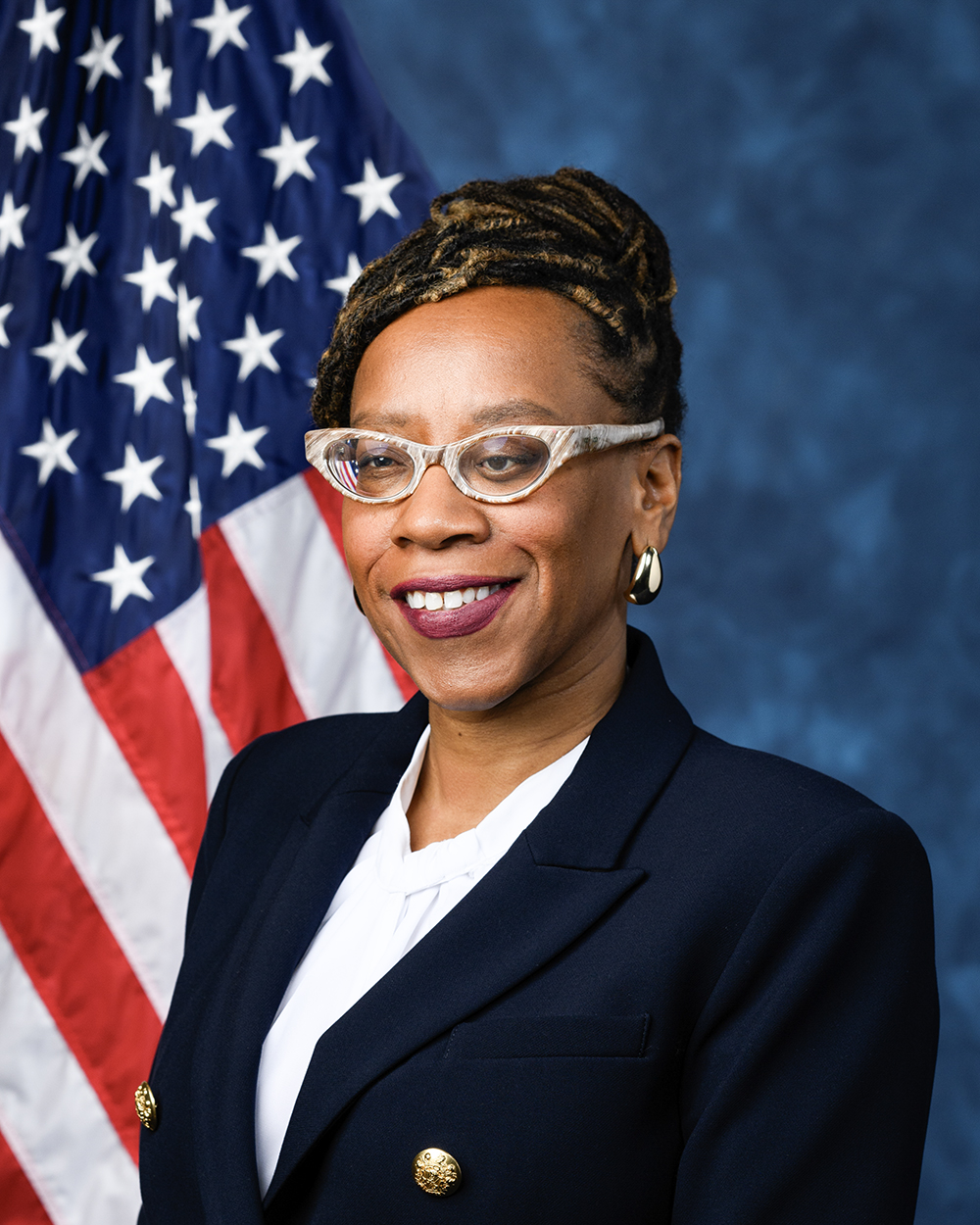
Luz M. Rivas
67% support rate
Top opponent
Alex Padilla
23% support rate
Ranked legislators
10
5 support · 5 oppose
Key legislators

Who's moving criminal justice in California

Legislators moving criminal justice in California
Legislator Party Stance Support rate Votes
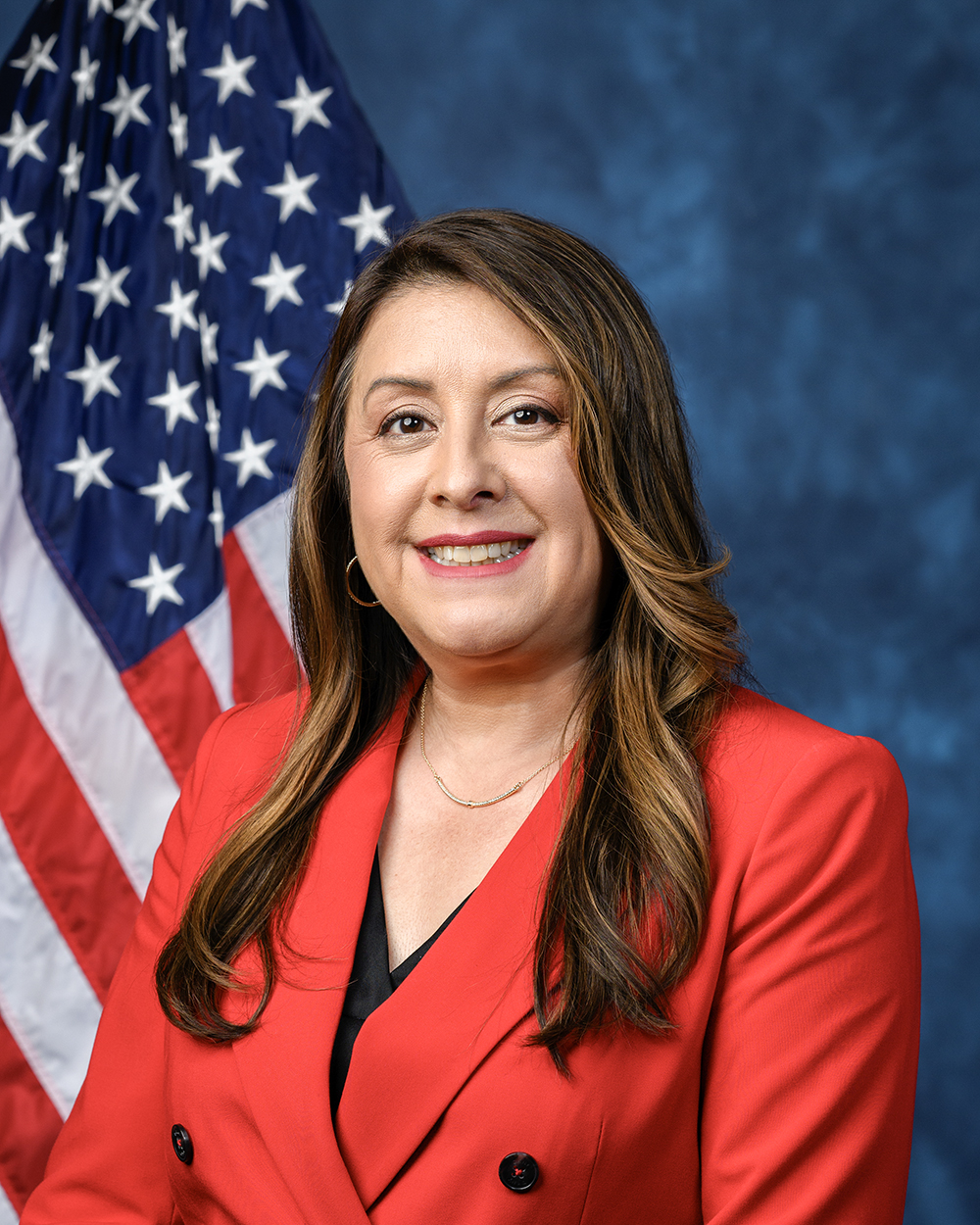
Luz M. Rivas
Luz M. Rivas House · District 29
D
Support
67% 153
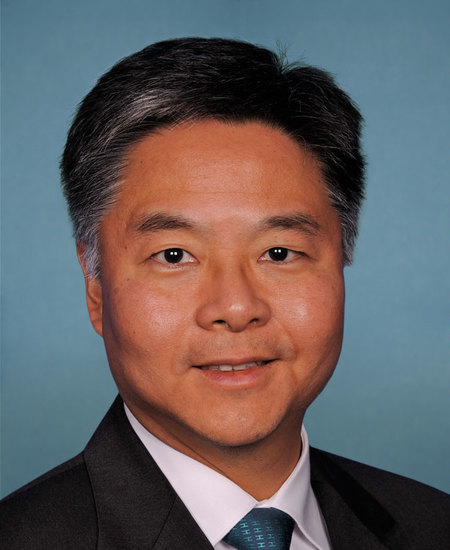
Ted Lieu
Ted Lieu House · District 36
D
Support
67% 147
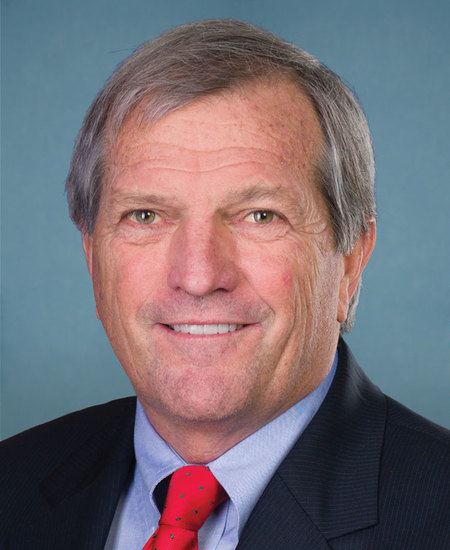
Mark DeSaulnier
Mark DeSaulnier House · District 10
D
Support
64% 150
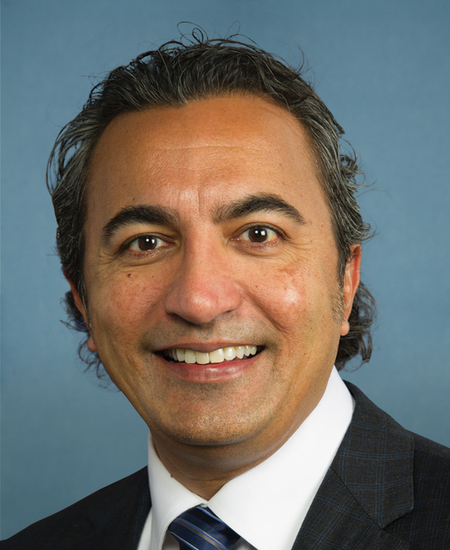
Ami Bera
Ami Bera House · District 6
D
Support
64% 150
Lateefah Simon
Lateefah Simon House · District 12
D
Support
63% 150
Alex Padilla
Alex Padilla Senate
D
Oppose
23% 169
Adam B. Schiff
Adam B. Schiff Senate
D
Oppose
26% 168
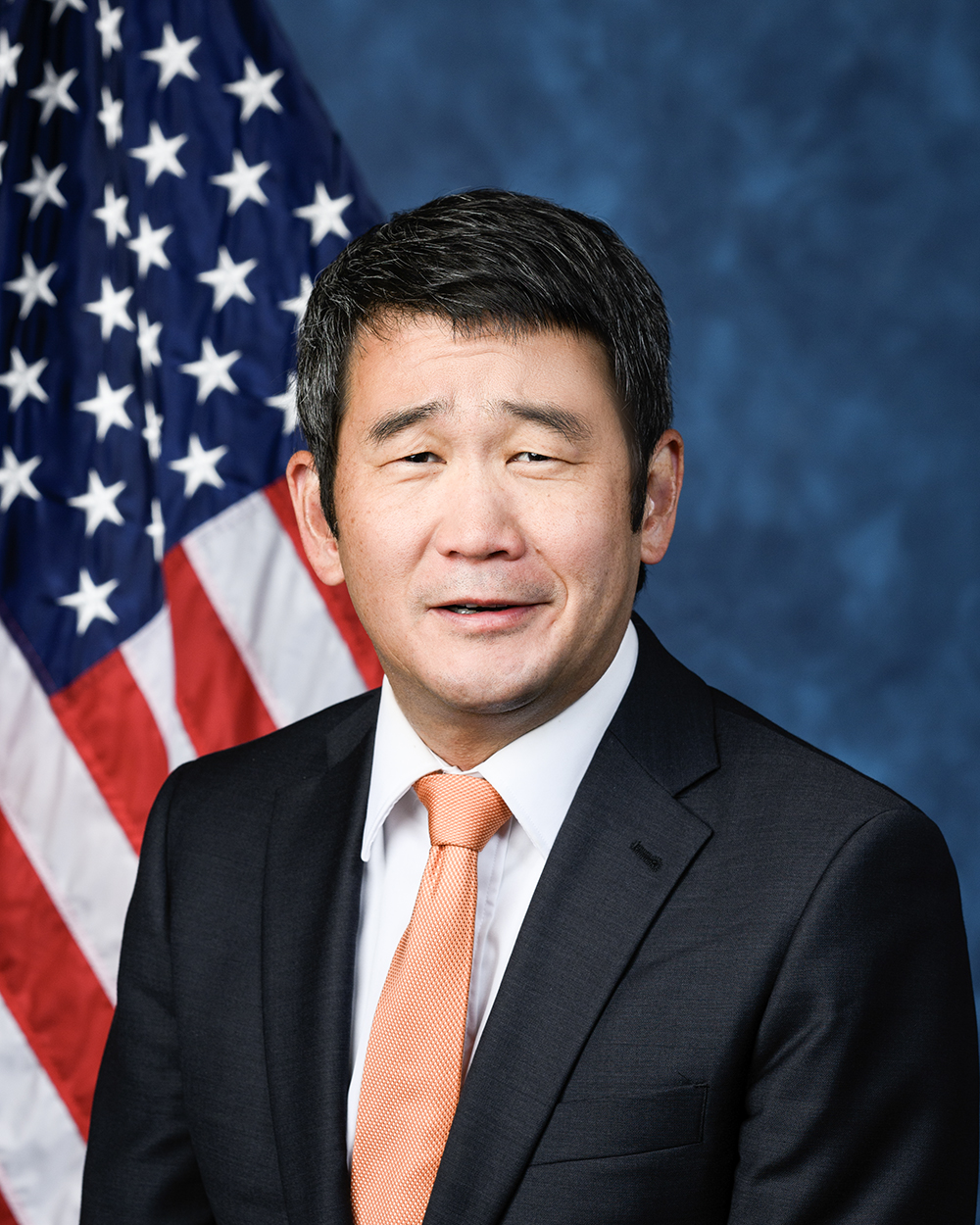
Dave Min
Dave Min House · District 47
D
Oppose
33% 153
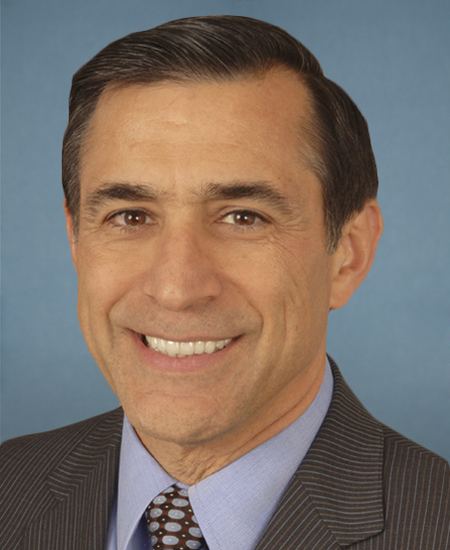
Darrell Issa
Darrell Issa House · District 48
R
Oppose
36% 151
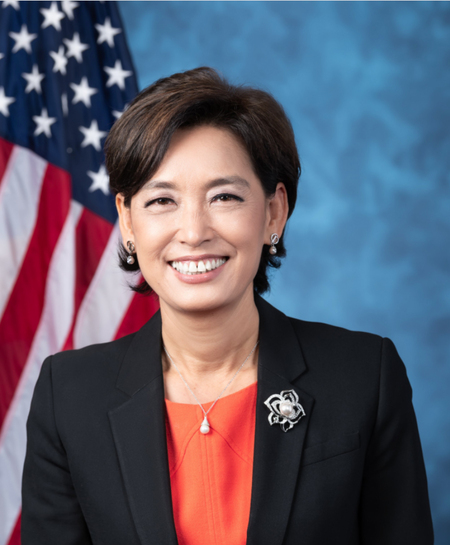
Young Kim
Young Kim House · District 40
R
Oppose
37% 154
Showing 1–10 of 413 bills

All criminal justice bills

in committee · United States · House Sep 8, 2026

HR 10317: Inventory Act of 2026

The Digital Asset Inventory and Audit Act of 2026 requires all federal agencies to scan seized electronic devices and data for cryptocurrency private keys and other digital assets within 180 days of enactment. The bill mandates that these assets be securely stored, with the Attorney General responsible for developing technical standards and training programs for law enforcement and forensic examiners. Federal agencies must conduct annual audits to verify secure custody and report their findings to Congress, while the Government Accountability Office will perform broader compliance reviews every three years. Funding for the necessary digital forensic tools is authorized through amendments to existing federal forfeiture funds.
Sub-Topics Law Enforcement
in committee · United States · House Jul 30, 2026

HR 10009: BAD Act

The Bribery Accountability and Discovery Act (BAD Act) extends the time limit for prosecuting bribery or theft crimes involving public officials or federal funds. Under this change, the legal clock for bringing charges does not start until a federal law enforcement agency discovers the crime or receives a report about it. This provision directly affects individuals accused of these specific offenses by potentially allowing prosecutors more time to build cases that were previously hidden.
Sub-Topics Law Enforcement
in committee · United States · House Sep 3, 2026

HR 10249: Kids Safety on Set Act of 2026

The Kids Safety on Set Act of 2026 mandates that adults with supervisory roles or frequent private contact with minors on entertainment productions must pass a criminal background check within 90 days before starting work. This check, which costs no more than $100 and is paid by the production company, specifically screens for offenses involving sex, violence, stalking, or minors. If a production employs someone who fails to meet this requirement, the Attorney General can seek a civil penalty of up to twice the cost of that person's project involvement. Additionally, the law requires an immediate halt to all production activities involving the non-compliant employee until they are terminated and stripped of any ownership interest greater than 2 percent in the project.
in committee · United States · House Sep 2, 2026

HR 10231: No Homeless Detention Centers Act

The No Homeless Detention Centers Act prohibits recipients of federal housing funds from forcing homeless individuals to live in government facilities or requiring them to perform labor in exchange for shelter. The bill also bans local and state authorities from punishing people for engaging in basic life-sustaining activities, such as sleeping or resting, on public property. These restrictions apply to actions taken by law enforcement officers or private contractors acting under federal authority. By tying these prohibitions to federal funding, the legislation aims to prevent the use of criminal penalties or involuntary confinement to address homelessness.
in committee · United States · House Aug 20, 2026

HR 10124: Mail Theft and Postal Key Crime Prevention Act of 2026

The Mail Theft and Postal Key Crime Prevention Act of 2026 requires the Attorney General to designate a specific assistant United States attorney in every federal judicial district to coordinate the investigation and prosecution of organized mail theft and related fraud schemes. These coordinators are tasked with working alongside federal, state, and local law enforcement agencies to address crimes involving stolen postal keys, identity theft, and financial fraud facilitated by intercepted mail. The bill also mandates that the Attorney General submit an annual report to Congress for five years detailing trends in these offenses and the effectiveness of inter-agency coordination efforts. Additionally, it directs the United States Sentencing Commission to review and update federal sentencing guidelines to ensure harsher penalties for crimes involving postal access devices, large-scale theft operations, or violence against postal workers.
in committee · United States · Senate Jul 30, 2026

S 5201: Lori Jackson-Nicolette Elias Domestic Violence Survivor Protection Act

The Lori Jackson-Nicolette Elias Domestic Violence Survivor Protection Act expands federal firearm restrictions to include individuals subject to any domestic violence restraining order, including temporary or emergency orders issued without the abuser's presence. It broadens the legal definition of an "intimate partner" to cover dating partners and other relationships protected by state laws, closing previous loopholes that allowed some abusers to keep guns. The bill also creates a federal grant program for states and tribes to fund the removal, storage, and return of firearms from individuals subject to these orders, requiring them to partner with local domestic violence service providers to ensure victim safety.
in committee · United States · House Sep 3, 2026

HR 10245: 9–8–8 and 9–1–1 Integration Act

The 9-8-8 and 9-1-1 Integration Act directs the Secretary of Health and Human Services to establish a multidisciplinary panel that will develop recommendations for training and protocols for emergency dispatchers. The primary goal is to ensure that individuals experiencing behavioral health or substance use crises are connected to appropriate care services rather than being met solely by law enforcement. The panel must consider integrating the 9-8-8 crisis line with the 9-1-1 system, utilizing standardized assessment tools to evaluate caller needs, and implementing training on cultural competency and implicit bias. Additionally, the legislation requires the creation of data collection standards to track response outcomes and disparities while protecting caller privacy, with reports submitted to Congress upon the release of recommendations and every five years thereafter.
Sub-Topics Law Enforcement Mental Health Tags Public Safety
in committee · United States · House Sep 2, 2026

HR 10221: Flock-Off Act

The Flock-Off Act prohibits federal agencies, state and local governments, and other recipients of federal funds from using federal money to purchase, operate, or maintain automated camera systems that capture biometric data or license plate information. The bill requires these entities to remove any existing covered camera systems within 180 days of enactment, with violations resulting in the withholding of further federal funding until reimbursed. Specific exceptions allow for the continued use of such systems within one mile of the U.S. borders for security purposes and on toll roads strictly for toll collection and enforcement.
in committee · United States · House Sep 3, 2026

HR 10269: Stop Auto Fraud Act of 2026

The Stop Auto Fraud Act of 2026 creates a new federal crime for individuals who knowingly stage or fabricate motor vehicle accidents to submit false insurance claims. The bill directly affects people involved in these schemes by imposing penalties that include fines and up to 10 years in prison, with sentences increasing to 20 years if serious bodily injury occurs and potentially life imprisonment if the fraud results in death. Additionally, any criminal fines collected under this new law must be deposited into the Highway Trust Fund rather than general government revenue.
Sub-Topics Corrections
in committee · United States · House Aug 27, 2026

HR 10181: Stop Predator Dumping Act

The Stop Predator Dumping Act requires states with civil commitment laws for sexually violent predators to adopt specific rules for placing individuals upon their conditional release. These rules mandate that no two released individuals live within 10 miles of each other and prohibit placing a new individual in a county area that already has fewer such residents than another area in the same county. Additionally, the bill caps the number of placements in any single district of large counties at 25 percent of the total for that county. The Attorney General is directed to conduct a study on current placement patterns and distribute best practices for equitable distribution, with federal grants available to help states implement these new guidelines.
Showing 1 to 10 of 413 bills
1 2 3 42 Next