Issue · Budget & Taxes

Budget & Taxes

Every budget & taxes bill, vote, and legislator stance in California, automatically classified by Maddy, our AI policy reader.

Total bills
427
2025-2026 Regular Session
Top supporter
Steve Padilla
97% support rate
Top opponent
Natasha Johnson
4% support rate
Ranked legislators
10
5 support · 5 oppose
Key legislators

Who's moving budget & taxes in California

Legislators moving budget & taxes in California
Legislator Party Stance Support rate Votes
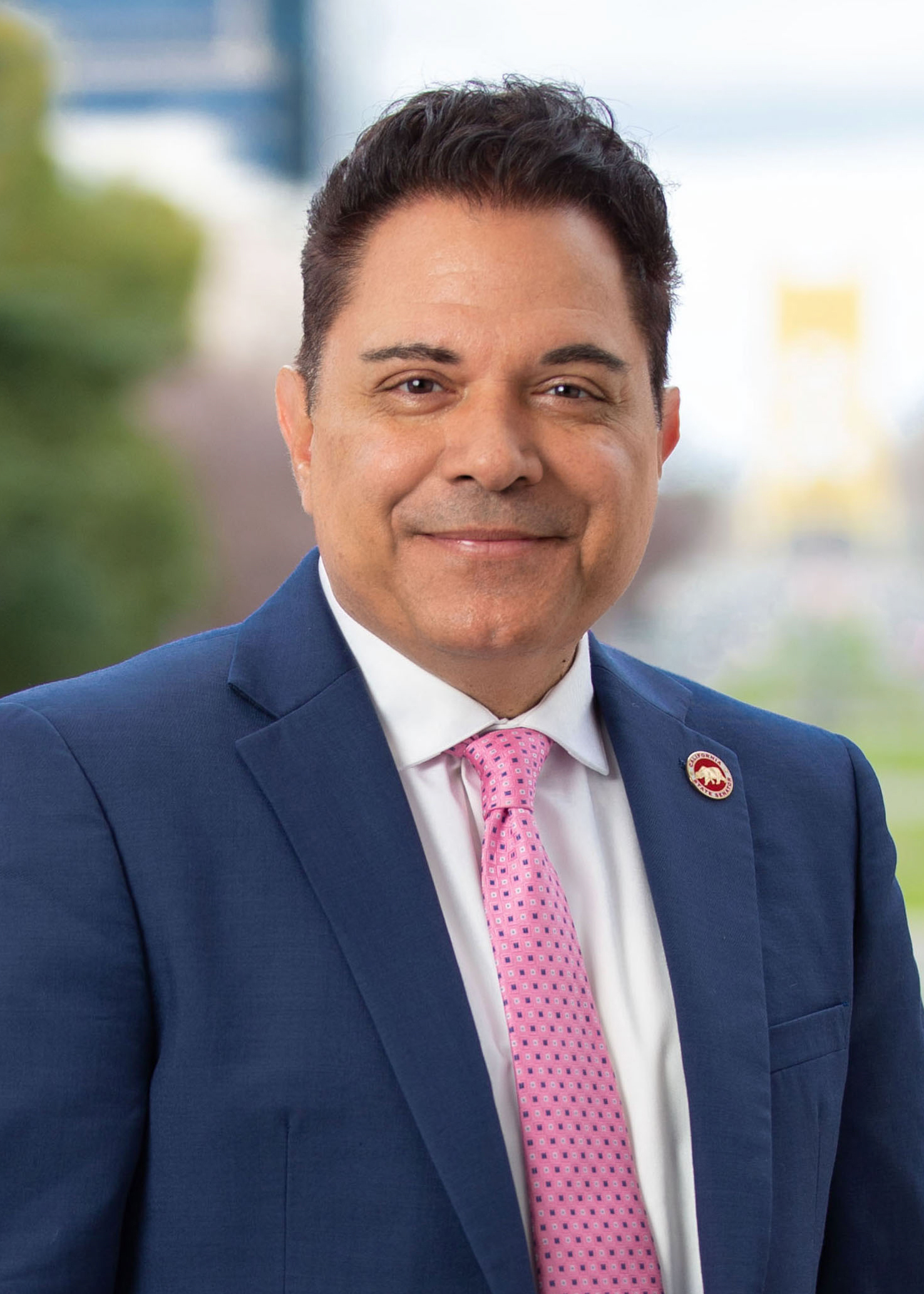
Steve Padilla
Steve Padilla Senate · District 18
D
Strong +
97% 408
JA
Jesse Arreguín Senate · District 7
D
Strong +
97% 509
Susan Rubio
Susan Rubio Senate · District 22
D
Strong +
97% 390
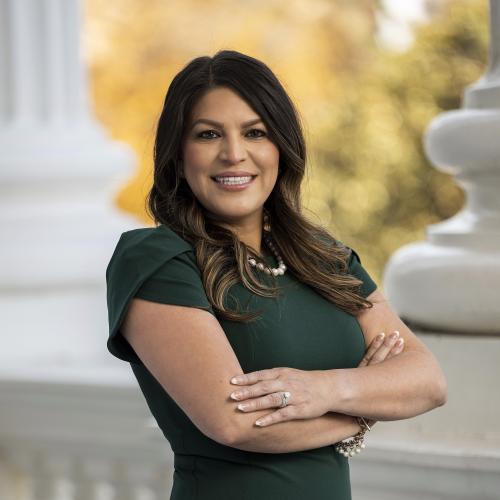
Esmeralda Soria
Esmeralda Soria House · District 27
D
Strong +
97% 342
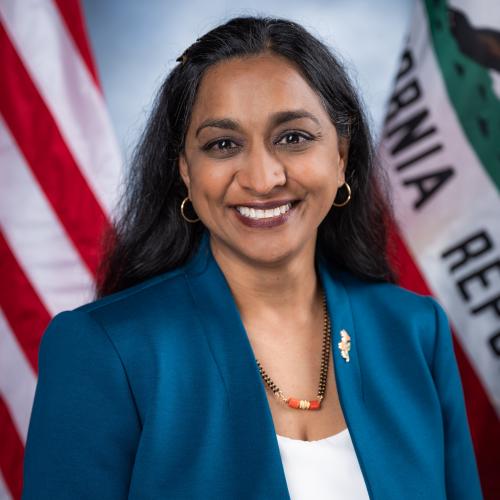
Darsh Patel
Darsh Patel House · District 76
D
Strong +
97% 368
Natasha Johnson
Natasha Johnson House · District 63
R
Strong −
4% 215
Kelly Seyarto
Kelly Seyarto Senate · District 32
R
Strong −
4% 633
Brian Jones
Brian Jones Senate · District 40
R
Strong −
5% 346
Stan Ellis
Stan Ellis House · District 32
R
Strong −
5% 410
Ali Macedo
Ali Macedo House · District 33
R
Strong −
6% 447
Showing 411–420 of 427 bills

All budget & taxes bills

failed · California · Senate Feb 2, 2026

SB 269: Personal income taxes: Fire Safe Home Tax Credits Act.

The Personal Income Tax Law allows various credits against the tax imposed by that law. Existing law requires any bill authorizing a new tax credit to contain, among other things, specific goals, purposes, and objectives that the tax credit will achieve, detailed performance indicators, and data collection requirements. This bill would allow credits against the tax imposed by the Personal Income Tax Law for each taxable year beginning on or after January 1, 2026, and before January 1, 2031, to a qualified taxpayer for qualified costs relating to qualified home hardening, as defined, and for qualified costs relating to qualified vegetation management, as defined, in specified amounts, not to exceed an aggregate amount of $50,000,000 per taxable year. This bill would require a qualified taxpayer to reserve a credit for qualified costs relating to qualified home hardening or qualified vegetation management to be eligible for the above-described credits and provide all necessary information for this purpose, as specified. This bill also would include additional information required for any bill authorizing a new income tax credit and would require the Legislative Analyst's Office to prepare a written report regarding the credits, as provided. This bill would take effect immediately as a tax levy.
Sub-Topics Income Tax Tax Credits
failed · California · Assembly Jun 5, 2025

AB 1354: Personal Income Tax Law: credits: insurance.

The Personal Income Tax Law allows various credits against the tax imposed by that law. This bill would, for taxable years beginning on or after January 1, 2026, and before January 1, 2031, allow a credit against that tax to a qualified taxpayer, as defined, equal to the amount paid during the taxable year for premium payments made by the taxpayer for a policy of residential property insurance, as defined, minus the base year premium, defined as the premium paid by the taxpayer for a fire insurance policy in the 2023 calendar year. Existing law requires any bill authorizing a new tax expenditure to contain, among other things, specific goals, purposes, and objectives that the tax expenditure will achieve, detailed performance indicators, and data collection requirements. This bill also would include additional information required for any bill authorizing a new tax expenditure. This bill would take effect immediately as a tax levy.
Sub-Topics Government Spending
signed · California · Senate Jun 27, 2025

SB 101: Budget Act of 2025.

This bill would make appropriations for the support of state government for the 2025–26 fiscal year. This bill would declare that it is to take effect immediately as a Budget Bill.
failed · California · Senate Feb 2, 2026

SB 1: Personal income taxes: exclusion: Military Services Retirement and Surviving Spouse Benefit Payment Act.

The Personal Income Tax Law, in conformity with federal income tax laws, defines "gross income" as income from whatever source derived, except as specifically excluded, and provides various exclusions from gross income, including an exclusion for combat-related special compensation. This bill, for taxable years beginning on or after January 1, 2025, and before January 1, 2035, would exclude from gross income retirement pay received by a qualified taxpayer, as defined, during the taxable year, not to exceed $20,000, from the federal government for service performed in the uniformed services, as defined. The bill, for taxable years beginning on or after January 1, 2025, and before January 1, 2035, would also exclude from gross income annuity payments received by a qualified taxpayer, as defined, during the taxable year, not to exceed $20,000, pursuant to a United States Department of Defense Survivor Benefit Plan. The bill would make related findings and declarations. Existing law requires any bill authorizing a new tax expenditure to contain, among other things, specific goals, purposes, and objectives that the tax expenditure will achieve, detailed performance indicators, and data collection requirements. This bill also would include additional information required for any bill authorizing a new tax expenditure. This bill would take effect immediately as a tax levy.
signed · California · Assembly Apr 14, 2025

AB 100: Budget Acts of 2023 and 2024.

The Budget Act of 2023 and the Budget Act of 2024 made appropriations for the support of state government for the 2023–24 and 2024–25 fiscal years. This bill would amend the Budget Act of 2023 and the Budget Act of 2024 by amending and adding items of appropriation and making other changes. This bill would declare that it is to take effect immediately as a Budget Bill.
in committee · California · Assembly Apr 23, 2025

ACA 13: A resolution to propose to the people of the State of California an amendment to the Constitution of the State, by amending Section 12 of Article IV thereof, by adding Section 3.5 to Article XIIIA thereof, by adding Section 12 to Article XVI thereof, and by adding Article XXIII thereof, relating to public finance.

(1) The California Constitution generally requires appropriations from the General Fund to be enacted in a bill passed by a 23 vote in each house of the Legislature. Notwithstanding that requirement, the California Constitution authorizes the budget bill, other bills providing for appropriations related to the budget bill, and bills that make General Fund appropriations for the public schools, to be passed by a majority vote. The California Constitution also generally requires a statute enacted at a regular session to go into effect on the January 1 next following a 90-day period from the date of enactment, except that the budget bill and other bills providing for appropriations related to the budget bill take effect immediately upon being signed by the Governor or upon a date specified in the legislation. This measure would repeal the exceptions to the requirement that a bill making General Fund appropriations must be passed by a 23 vote, thereby requiring any bill that makes General Fund appropriations to be passed by a 23 vote. The measure would also repeal the exception authorizing the budget bill and other bills providing for appropriations related to the budget bill to take effect immediately upon being signed by the Governor or upon a date specified in the legislation. (2) The California Constitution requires any change in state statute that results in any taxpayer paying a higher tax to be enacted in a bill passed by a 23 vote in each house of the Legislature. This measure would also prohibit any action by a state agency that would impose a new charge, or that would increase an existing charge, on any person from taking effect unless the action is ratified by a bill passed by a 23 vote in each house of the Legislature. (3) The California Constitution includes every officer and employee of the State within the state civil service, except as provided. The state judiciary has construed this civil service mandate to prohibit the state from contracting with private entities for the performance of governmental functions, except under specified circumstances. Notwithstanding the prohibition on contracting with private entities, the California Constitution authorizes the state and local governments to contract with qualified private entities for architectural and engineering services for public works of improvement. This measure would expressly authorize the State of California and local governmental entities to contract with private entities for the performance of governmental services. The measure would require every state agency to annually subject at least 10% of its program activities, as measured by total budgetary expenditures for that state agency, to fair and open competitive bidding and would make each program activity executed by a state agency subject to competitive bidding at least once every 7 years. The measure would exclude state or local governmental services performed by sworn law enforcement personnel from these provisions. The measure, beginning in the 2028–29 fiscal year, would prohibit total state employment costs from exceeding 95% of total state employment costs in the 2024–25 fiscal year, as provided. Beginning in the 2029–30 fiscal year, the measure would prohibit total state employment costs from exceeding total state employment costs in the immediately preceding fiscal year, as adjusted by the annual percentage change nationally in average wages as determined by the federal Bureau of Labor Statistics. The measure would require the California State Auditor to certify compliance with these requirements.
passed · California · Senate Jun 30, 2026

SB 353: Income tax: credits: food banks.

The Personal Income Tax Law and the Corporation Tax Law allow various credits against the taxes imposed by those laws, including, for taxable years beginning on or after January 1, 2017, and before January 1, 2027, a credit for qualified taxpayers in an amount equal to 15% of the qualified value of fresh fruits or vegetables and specified raw agricultural products or processed foods donated to a food bank. This bill would extend the authorization for those tax credits for taxable years beginning before January 1, 2032. Existing law requires any bill authorizing a new tax expenditure to contain, among other things, specific goals that the tax expenditure will achieve, detailed performance indicators, and data collection requirements. For purposes of complying with these requirements, existing law requires the Franchise Tax Board to submit a report to the Legislature regarding the utilization of the credit on or before December 1 of each year until January 1, 2026. This bill would extend that reporting requirement to December 1, 2035. This bill would take effect immediately as a tax levy.
signed · California · Senate Aug 11, 2026

SJR 6: Federal funding for essential state infrastructure, technology, and economic development.

This measure would urge President Donald J. Trump and Congress to protect and maintain the historic investments made possible by the Bipartisan Infrastructure Law, the CHIPS and Science Act, and the Inflation Reduction Act of 2022.
Sub-Topics Appropriations State Budget Tax Incentives Roads & Highways Tags Economic Development
passed · California · Senate Aug 13, 2026

SB 587: Personal income taxes: credit: manufacturing: sales and use taxes.

The Personal Income Tax Law and the Corporation Tax Law allow various credits against the taxes imposed by those laws. Existing law, the Sales and Use Tax Law, imposes a tax on retailers measured by the gross receipts from the sale of tangible personal property sold at retail in this state, or on the storage, use, or other consumption in this state of tangible personal property purchased from a retailer for storage, use, or other consumption in this state. The Bradley-Burns Uniform Local Sales and Use Tax Law authorizes counties and cities to impose local sales and use taxes in conformity with the Sales and Use Tax Law, and existing laws authorize districts, as specified, to impose transactions and use taxes in accordance with the Transactions and Use Tax Law, which generally conforms to the Sales and Use Tax Law. Amendments to the Sales and Use Tax Law are automatically incorporated into the local tax laws. Existing law imposes or dedicates certain state sales and use tax rates for local funding, including through the Local Revenue Fund 2011. Existing law provides various exemptions from the taxes imposed by the Sales and Use Tax Law, including, until July 1, 2030, a partial exemption for the sale of, and the storage, use, or other consumption of, qualified tangible personal property, as defined, purchased by a qualified person, as defined, for purchases not exceeding $200,000,000, primarily used for specified purposes, including manufacturing, recycling, and research and development. Existing sales and use tax law provides that the Bradley-Burns Uniform Local Sales and Use Tax Law, the Transactions and Use Tax Law, and those laws imposing certain sales and use tax rates for local funding do not apply to the above-described exemption, thereby subjecting the sale, or the storage, use, or other consumption in this state, of tangible personal property, otherwise exempt from taxation under these provisions, to local sales and use taxes, transactions and use taxes, and state sales and use taxes imposed for local funding. This bill would, for taxable years beginning on or after January 1, 2026, and before January 1, 2031, allow a credit against the taxes imposed by the Personal Income Tax Law and the Corporation Tax Law to a taxpayer in an amount equal to the amount of sales tax reimbursement paid by the taxpayer to a retailer for the purchase of tangible personal property sold at retail in this state, or the amount of use tax paid by the taxpayer on the storage, use, or other consumption in this state of tangible personal property purchased from a retailer, that would have been exempt from taxation pursuant to the above-described exemption, but for the application of local sales and use taxes and transactions and use taxes, or the imposition of certain sales and use tax rates for local funding, as specified. The bill would authorize the California Department of Tax and Fee Administration to provide specified information to the Franchise Tax Board to assist in the administration of the credit, and would apply existing restrictions to the sharing of that information, the violation of which is a crime. By expanding the scope of a crime, this bill would impose a state-mandated local program. This bill would require, on or before May 14, 2026, and annually thereafter, the Department of Finance to provide to the legislative budget committees an estimate of the amount of revenue that would not be realized if the credits described above were allowed for that taxable year and would provide that those credits are allowed only for taxable years for which the Legislature appropriates money in the Budget Act for the administration of those credits. Existing law requires any bill authorizing a new tax expenditure to contain, among other things, specific goals that the tax expenditure will achieve, detailed performance indicators, and data collection requirements. This bill also would include additional information required for any bill authorizing a new tax expenditure. The California Constitution requires the state to reimburse local agencies and school districts for certain costs mandated by the state. Statutory provisions establish procedures for making that reimbursement. This bill would provide that no reimbursement is required by this act for a specified reason. This bill would take effect immediately as a tax levy.
passed both · California · Assembly Aug 20, 2026

AJR 6: Child nutrition: federal programs: funding cuts.

This measure would call on the state's Representatives in Congress to continue to support investments in the federal Local Food for Schools and Child Care program and would call on the President of the United States to work with Congress to support family farmers who produce fresh, locally sourced food for school meals.
Sub-Topics Student Health
Showing 411 to 420 of 427 bills