

Maddy summarySB 1479 requires most individuals to present valid photo ID when recording property deeds or contracts at county offices, with exemptions for title agents, banks, attorneys, and government entities. It mandates that all real estate sales include a detailed affidavit at the time of recording, listing sale price, property details, buyer/seller information, and financing terms. The bill also creates a voluntary system for property owners to receive electronic notifications (via email or text) about changes to ownership or mailing addresses by January 2027. Additionally, it increases penalties for false property documents, requiring at least $5,000 in damages (or triple actual losses) for forgers and $1,000 for those refusing to correct errors after a written request.
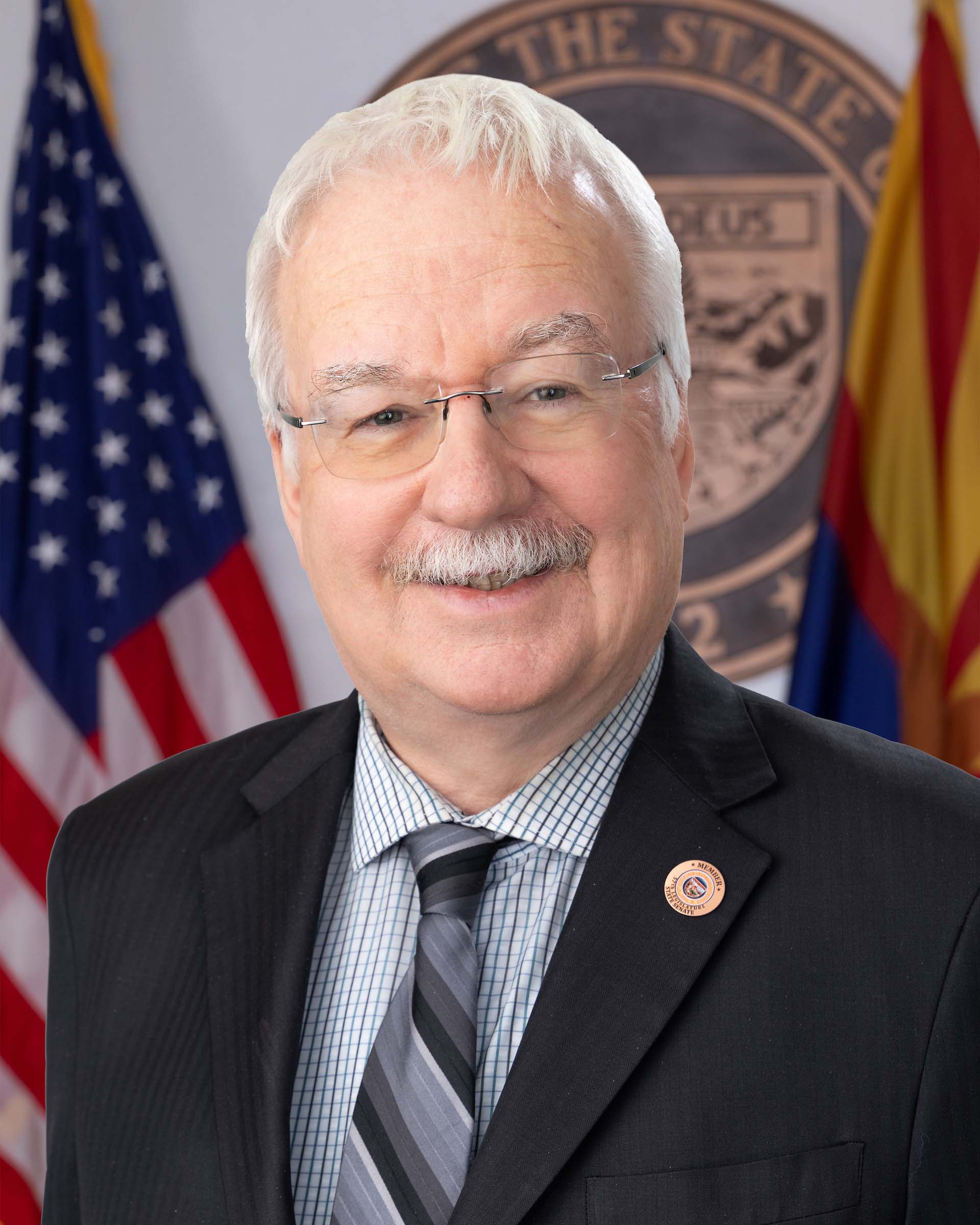
Sen. John Kavanagh
Sponsored bills
Maddy summarySB 1097 authorizes specific payments totaling $399,056.21 from various state funds to settle named claims for past services provided to Arizona state agencies. It directs the Department of Administration and other state departments to pay designated vendors (like Konica Minolta, VirTra, and Central Services Bureau) for completed work, as documented in their claim records. The bill does not create new policies or affect the public broadly - it simply appropriates existing funds to fulfill pre-existing contractual obligations. This is a routine administrative budget action, not a substantive legislative change.
Maddy summarySB 1473 prevents Arizona municipalities and counties from imposing local zoning or occupancy rules that conflict with state licensing standards for assisted living facilities. It prohibits local governments from setting resident caps lower than state health department requirements, blocking facilities in residential zones based on resident count, or requiring special permits solely for that reason. The bill ensures state rules override local regulations on these matters, while allowing uniform enforcement of building, fire, and health codes applicable to all similar residential properties. This directly affects assisted living facilities operating in Arizona and local governments that previously could restrict their operations.
Maddy summarySCR 1020 proposes a constitutional amendment to adjust salaries for Arizona state legislators annually based on inflation using the Consumer Price Index, effective January 1 each year. It also establishes a commission to recommend salaries for other elected state officials (like governors and judges), with voters deciding on legislative salary changes via ballot measure. The commission, appointed by the governor and legislative leaders, would submit recommendations to the governor, who would then propose specific rates to the legislature. If voters approve the commission's legislative salary recommendations at the next general election, those rates would take effect without further legislative action. This amendment would affect all elected state officials and require voter approval to become law.
Maddy summarySB 1010 renames Arizona's Loop 202 highway as the "Charlie Kirk Highway" in honor of Charlie Kirk. The bill requires the Arizona Department of Transportation to update all official documents, records, and signage to include this new name while maintaining existing designations. It affects public records and highway signage for Loop 202, with no changes to the highway's physical structure or function. This is a ceremonial designation with no substantive policy changes.
Maddy summarySB 1023 requires Arizona optometrists to conduct eye exams at least annually to assess both vision and eye health, following community medical standards. It allows optometrists to extend eyeglass prescription validity up to two years or shorten it based on individual patient factors like health risks or medical conditions. The bill directly affects optometrists by setting standardized exam frequency and prescription rules, while patients may experience changes in how often they need new prescriptions. This legislation standardizes eye care practices without mandating specific medical outcomes.
Maddy summarySB 1029 clarifies the process for closing a candidate's campaign committee after the candidate's death in Arizona. It requires that a candidate committee be automatically deemed terminated upon the candidate's death and mandates specific disposal of surplus funds - returning money to contributors, donating to 501(c)(3) organizations, or transferring to another candidate's committee under strict conditions. The bill also establishes a clear order of priority for appointing a new treasurer (personal representative, surviving spouse, next of kin, or court-appointed individual) and requires documentation of the death in termination filings. This directly affects candidate committees in Arizona elections where a candidate dies before the election, ensuring funds are handled transparently without personal use.
Maddy summarySB 1673 allocates $5 million from Arizona's state general fund for fiscal year 2026-2027 to the existing law enforcement crime victim notification program under Arizona Revised Statutes §41-2414. This funding directly supports state and local law enforcement agencies that provide notification services to crime victims. The bill specifies that this appropriation is exempt from standard budget lapse rules, ensuring the funds remain available for the designated purpose. As a purely financial measure, it does not change eligibility for victim notifications or create new requirements.
Maddy summaryThis bill requires Arizona driver license offices to offer voter registration to applicants at the same time as license processing. It mandates collecting only essential information (like name and address) to prevent duplicate registrations, with data automatically transferred to county recorders within five days. Applicants must receive a statement outlining voting eligibility requirements, penalties for false registration, and confidentiality assurances about their voter registration choice. This directly affects all Arizona residents applying for or renewing driver licenses at state offices.
Maddy summarySCR 1002 is a proposed ballot measure that would amend Arizona's campaign finance reporting rules. It specifically increases the threshold for mandatory disclosure of in-state individual contributors from $100 to $200 per election cycle. For contributions under $200, campaigns would no longer need to disclose contributor details unless the donor consents. This change directly affects political committees and candidates who collect campaign contributions, altering their reporting requirements for smaller donations. The measure must be approved by voters to become law.