

Maddy summaryThis bill modifies how Arizona funds higher education for the 2026-2027 fiscal year by allowing the state to match less than two dollars for every dollar collected from student registration fee surcharges. It also adjusts the specific amounts of state aid provided to community college districts for STEM and workforce programs, as well as general operating funds. These changes direct the legislature to set the exact funding levels in the upcoming general appropriations act rather than following previous statutory requirements. The legislation directly affects the financial resources available to Arizona's community colleges and the students who rely on associated financial aid.
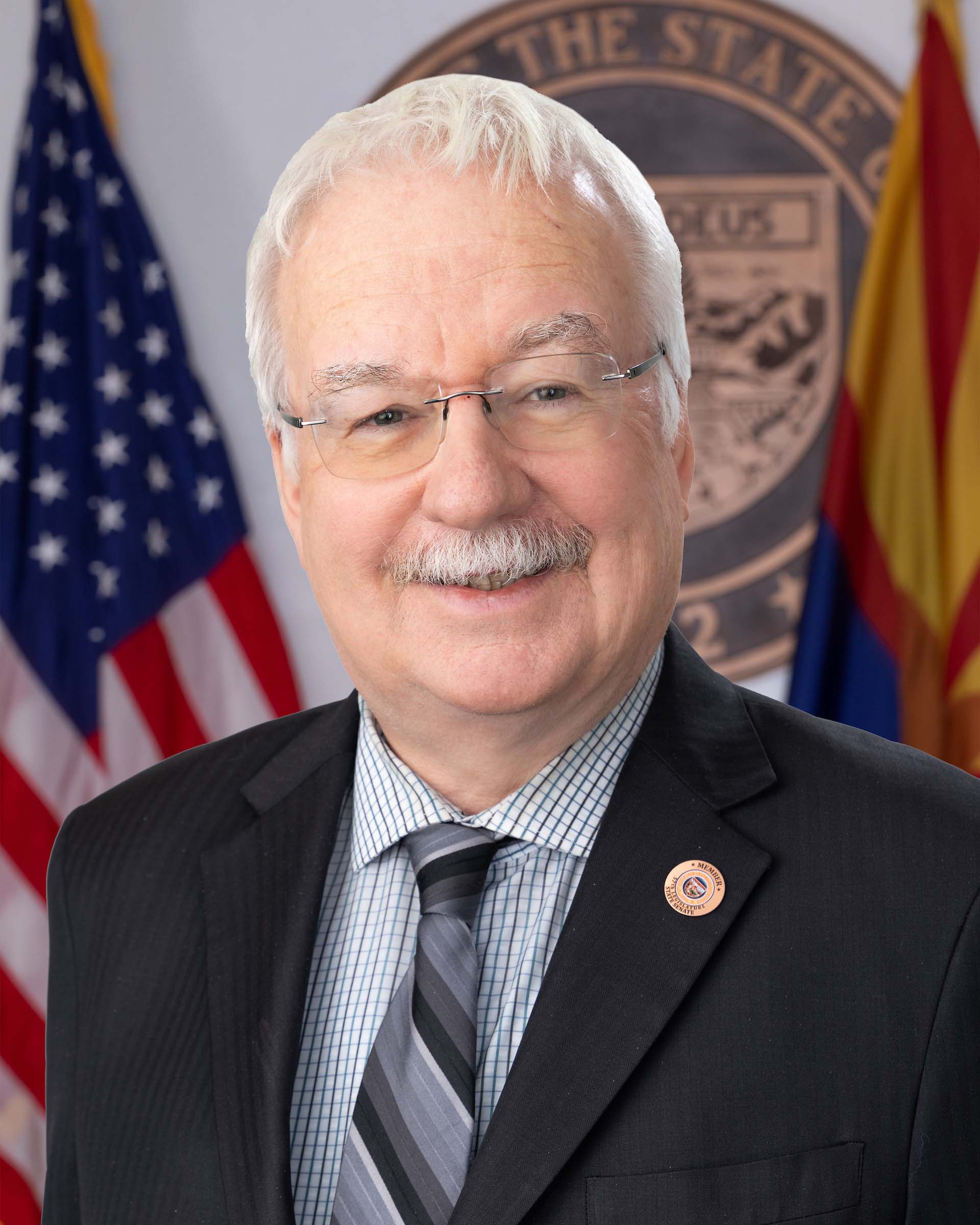
Sen. John Kavanagh
Sponsored bills
Maddy summaryThis bill directs Arizona state environmental funds to specific uses for the 2026-2027 fiscal year. It allows money from the underground storage tank fund to cover department administrative costs and address sewage discharge problems in border areas like Naco. The legislation also permits legal fees to be paid from the water banking fund and grants up to $336,000 from the water protection fund to the Department of Water Resources for administrative expenses. Additionally, it sets a $15 million spending cap for the water quality assurance revolving fund and mandates that vehicle emissions testing fees in Area A remain at their 2025 levels.
Maddy summaryThis bill sets specific rental rates for state-owned buildings in Arizona for the 2026-2027 fiscal year. It establishes a charge of $17.87 per square foot for office space and $6.43 per square foot for storage space. These fees apply to tenants renting space from state agencies and are intended to stabilize the capital outlay fund. The legislation overrides previous statutory provisions to fix these amounts for the upcoming budget period.
Maddy summaryThis bill establishes new Arizona statutes to regulate the Supplemental Nutrition Assistance Program (SNAP) by defining fund administration, setting income limits, and mandating specific eligibility review processes. It requires the Department of Economic Security to frequently cross-check recipient data with state agencies like the Department of Revenue and the Department of Corrections, as well as federal databases, to verify income, employment, and residency status. The legislation also mandates quarterly public reporting on fraud investigations and improper payments, while setting a goal to reduce the program's payment error rate to three percent by 2030. To enforce these standards, the bill imposes financial penalties on the department for failing to meet targets and requires an independent audit by the Auditor General to identify causes for errors.
Maddy summaryThis bill directs the Arizona Department of Gaming to collect a new 0.5 percent regulatory fee from commercial horse racing operators in fiscal year 2026-2027, with the fee taken directly from the betting pools. It also temporarily changes eligibility rules for first-time race horses by allowing them to compete if they have gate approval and at least two timed workouts, including one conducted within sixty days of the race. These specific provisions regarding the fee and horse eligibility are set to expire on December 31, 2027.
Maddy summaryThis Arizona bill updates the financial rules for state-sponsored charter schools, specifically those run by universities and community colleges. It clarifies that school districts are not financially responsible for these specific charter schools and establishes new methods for calculating funding based on student counts and enrollment verification. The legislation also introduces stricter limits on how students can be counted if they are enrolled in both a charter school and a traditional public school, ensuring funds are not duplicated. Additionally, the bill outlines how state aid will be distributed and adjusted if a charter school receives other federal or state grants for basic operations.
Maddy summarySB 1835 updates Arizona's state lottery fund to ensure that money is first used to pay off lottery-related bond debts before funding other programs. The bill mandates specific annual allocations from the lottery fund to various state agencies, including the Arizona Game and Fish Commission, the Department of Child Safety, and the Department of Health Services, for designated initiatives like the Healthy Families Program and teenage pregnancy prevention. Additionally, it establishes a minimum deposit of $84.15 million into the state general fund before other distributions occur and directs remaining surplus funds to support homeless shelters, university capital improvements, and the state general fund. This legislation primarily affects state financial management and ensures that lottery revenue supports a defined set of public services and debt obligations.
Maddy summaryThis resolution expresses the Arizona Legislature's sincere regret and deepest condolences regarding the death of former Senate Majority Leader Alfredo Gutierrez. It formally acknowledges his life of public service, highlighting his advocacy for civil rights, education, and immigrant communities, as well as his significant legislative achievements such as establishing the Arizona Department of Transportation and expanding Medicaid. The bill does not enact new laws or policies but serves as a commemorative gesture to honor his legacy and offer support to his surviving family members.
Maddy summaryHCR 2047 is a symbolic Arizona legislative resolution recognizing the historical and biblical significance of "Judea and Samaria" as the ancestral homeland of the Jewish people. It formally rejects the term "West Bank" as a political construct and mandates that Arizona state government use "Judea and Samaria" in all official communications and documents regarding the territory. The resolution cites biblical references, historical claims, and legal arguments (including the San Remo Resolution and League of Nations Mandate) to support its position. As a concurrent resolution, it has no legal effect on international borders or U.S. policy but reflects Arizona's official stance on terminology. It does not alter any existing laws or policies related to the region.
Maddy summarySB 1078 amends Arizona law to require courts to review public records access denials "de novo" (from the beginning) when legal questions arise, rather than deferring to the original decision. This applies to anyone denied access to public records, including victims in criminal cases who can now appeal denials within their criminal case. The bill changes the standard for courts to independently assess whether an exception to disclosure applies, rather than simply reviewing the initial denial. It does not create new access rights but alters how courts evaluate such denials.