

Maddy summarySB 1138 establishes a school safety program in Arizona that provides state funding for school districts and charter schools to hire school psychologists, counselors, and social workers. Schools applying for this funding must submit detailed proposals describing safety needs, outlining how they'll implement counseling programs with community partnerships, and including parent communication plans and confidentiality policies. The program requires schools to evaluate the effectiveness of their counseling services and report annually to state officials. This directly affects Arizona public schools seeking mental health support staff, focusing on creating safer learning environments through counseling resources rather than security personnel. The bill mandates specific program requirements and annual reporting to ensure accountability for funded mental health services.
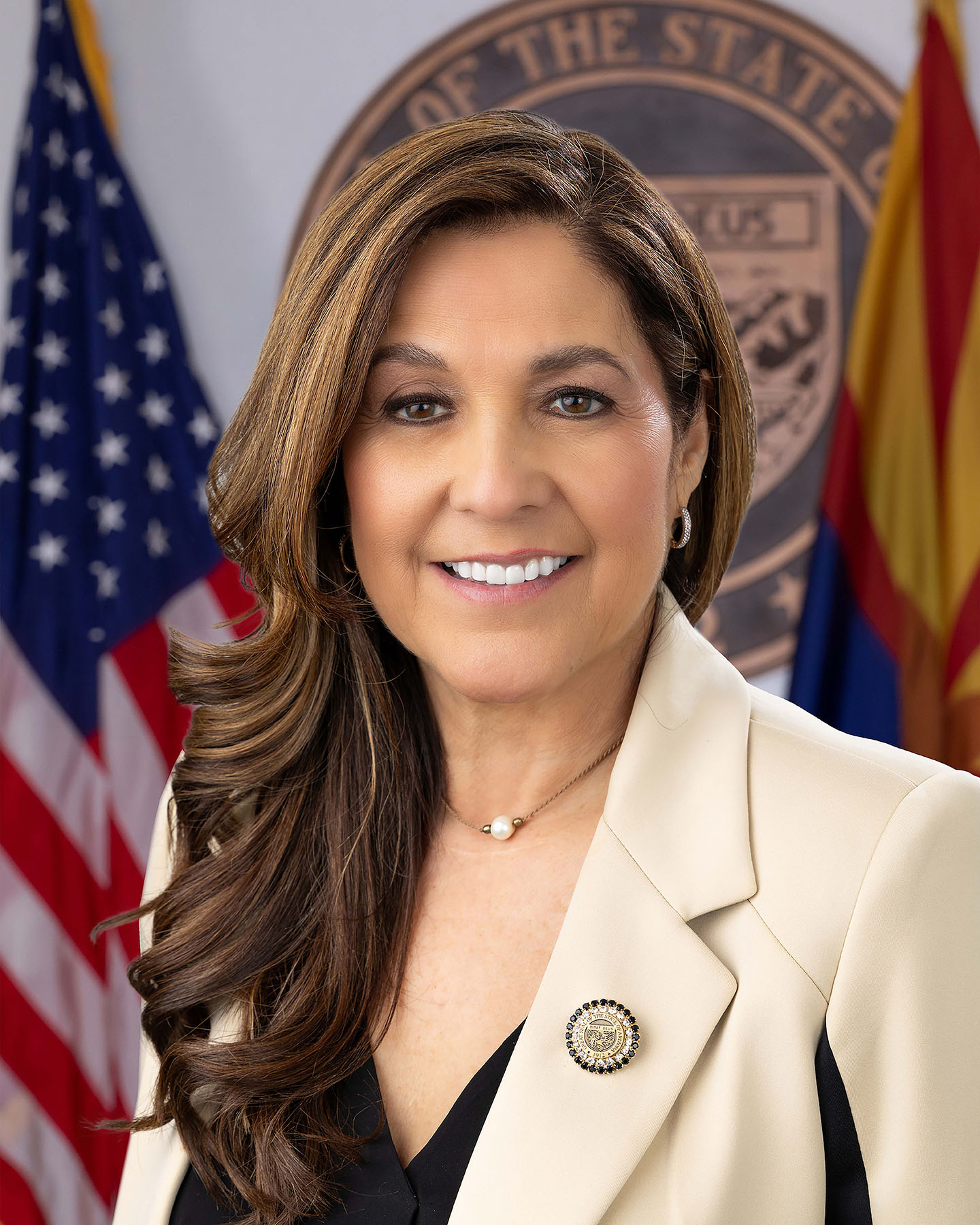
Sen. Catherine Miranda
Sponsored bills
Maddy summaryHB 2497 establishes a study committee to examine health insurance costs for Arizona school district employees and their dependents. The committee, composed of appointed members including health insurance representatives, school district officials, teachers, and school board members, will analyze current insurance plans and costs. It must recommend affordable ways to maintain high-quality health coverage for educators and their families. The committee must submit its findings and recommendations to state leaders by November 1, 2026, and will be dissolved after October 31, 2027.
Maddy summarySB 1139 sets new requirements for staff at Arizona schools participating in the state’s Education Savings Account (ESA) program. It mandates that all personnel providing academic instruction must have either a bachelor’s degree from an accredited college, three years of teaching experience, or specialized subject-matter expertise. The bill specifically applies to schools accepting ESA payments, affecting both paid employees and certain non-employee instructors directly teaching students. It does not alter existing requirements for public schools but adds these standards for ESA-participating schools.
Maddy summarySB 1140 establishes Arizona's "Homeless Recovery Telehealth Pilot Program," creating a public-private partnership to provide telehealth services for homeless individuals with mental health or addiction needs. The program requires the state health department to select a single telehealth provider via competitive bidding to set up access points in shelters and healthcare facilities, track patient outcomes, and maintain secure data. Key provisions include requiring the provider to share 5-10% of annual revenue with the state, creating a statewide homeless census, and developing personalized recovery plans. The $10 million state appropriation (fiscal year 2025-2026) funds the five-year pilot, which will be evaluated for potential expansion by 2033.
Maddy summaryHB 2538 prohibits Arizona landlords from discriminating against tenants based on their income source, such as government benefits (e.g., Section 8 vouchers, Social Security, veterans' benefits) or private assistance. It requires landlords to count rent vouchers or subsidies toward income requirements when evaluating tenants and bans them from refusing rentals, evicting, or charging more because of a tenant’s income source. The law also prevents landlords from advertising preferences against tenants using such assistance. Violations are treated as unlawful under existing housing laws, with enforcement by the attorney general. This directly affects renters using public assistance and landlords managing rental properties.
Maddy summaryHB 2382 requires Arizona employers to implement written heat and cold illness prevention programs for workers. It mandates free water access (at least one quart per hour), 10-minute cool-down breaks every two hours (more frequent at 100°F), and thermometer monitoring when temperatures reach 80°F or higher. Employers must provide shade access, cold-related safety plans for indoor work below 60°F, and personal protective equipment at no cost when engineering controls are insufficient. The bill directly affects all Arizona employers with indoor or outdoor workers, including those with vehicle-based work requiring air conditioning below 80°F.
Maddy summaryHB 2502 requires Arizona employers to provide employees with a 30-minute unpaid meal break after five hours of work (and an additional break after twelve hours), plus a paid 10-minute rest break for every four hours worked. It mandates 1.5 times regular pay for hours worked beyond eight in a workday (up to twelve hours) or the first eight hours on a seventh consecutive workday, and double pay for hours beyond twelve in a day or eight on the seventh consecutive workday. The bill applies to employers meeting the federal threshold of $100,000 annual sales or engaging in interstate commerce, ensuring Arizona’s labor standards align with the federal Fair Labor Standards Act. This directly affects most Arizona employers and their hourly workers by modifying break requirements and overtime compensation rates.
Maddy summaryHB 2501 repeals Arizona's right-to-work law (ARS 23-1302), which currently prohibits employers from requiring union membership or dues as a condition of employment. The bill also amends related statutes to remove references to the repealed law, including adjustments to civil liability for employment violations and protections against retaliatory termination. However, the bill will not take effect unless voters approve a constitutional amendment for right-to-work at the next general election. This repeal would directly affect workers, employers, and labor unions by eliminating a key restriction on union security agreements.
Maddy summarySB 1044 creates licensing requirements for secure behavioral health residential facilities in Arizona. It restricts these facilities to serving only patients committed by court order under specific statutes (36-550.09 or 13-4521), limits facilities to 16 beds, and prohibits mixing patients from different court orders. Facilities must provide 24/7 supervised treatment by staff with behavioral health training, and the Arizona health care cost containment system must annually report on funding use and bed availability. The bill defines "secure" as limiting patient egress only as necessary for their court-ordered treatment plan.
Maddy summarySB 1046 requires Arizona county jails to screen all new inmates for mental illness within 24 hours and ensure continuity of prescribed medications and treatments for those with prior diagnoses. It mandates immediate mental health evaluations for inmates showing symptoms, with potential transfer to specialized facilities if deemed necessary for treatment. For state prison inmates, the bill requires a psychiatrist to assess severe mental symptoms within 72 hours and initiate voluntary or court-ordered transfer processes to state hospitals or licensed facilities, including court hearings with legal representation. The law directly affects county jail and state prison inmates with mental health needs, focusing on screening, treatment continuity, and structured transfer procedures to ensure appropriate care.