

Maddy summarySB 1045 appropriates $25 million from the state general fund for constructing five secure behavioral health residential facilities in Arizona. These facilities will serve court-ordered patients with serious mental illness who are chronically resistant to treatment, with three facilities in the central area and one each in northern and southern regions. The bill also allocates $10 million from state funds plus $18.77 million from Medicaid for ongoing provider rate increases. The Arizona health care cost containment system administration must issue requests for proposals by December 2025 or report delays to legislative leaders.
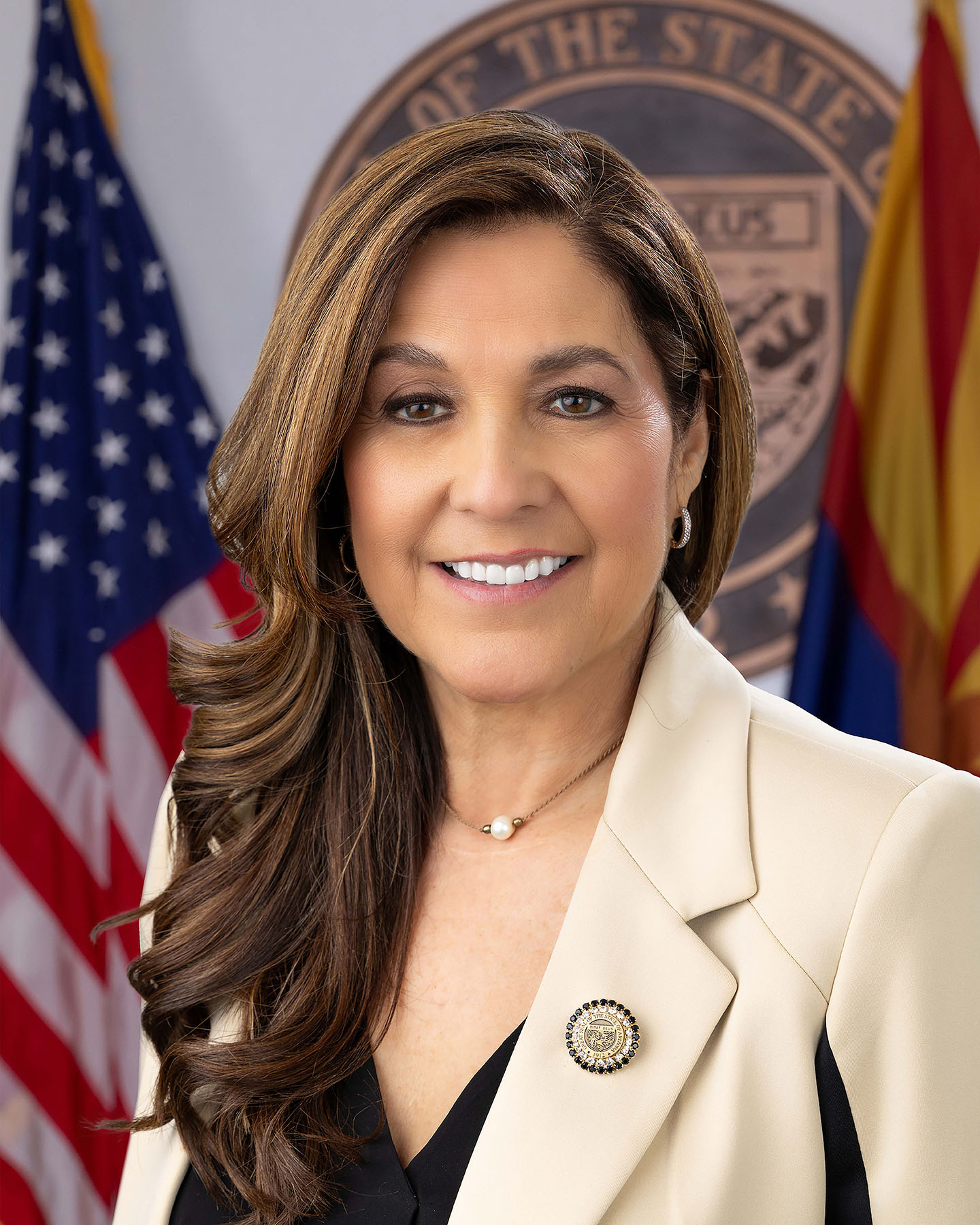
Sen. Catherine Miranda
Sponsored bills
Maddy summarySB 1043 creates a state fund to finance homeless shelter and services by appropriating money for grants. It requires cities and towns with more than 75 homeless individuals (based on the 2024 point-in-time count) to provide at least one shelter bed per four homeless people and establish a judicial diversion program for homelessness or mental illness. The fund will award grants to counties, cities, tribes, and nonprofits to increase shelter beds, improve services like behavioral health treatment and substance use programs, and support heat respite efforts. Grantees must provide matching funds, avoid policies that hinder public camping enforcement, and report detailed data on service outcomes and participant demographics.
Maddy summaryThis bill authorizes the sale of four specific private property parcels in Phoenix to the U.S. Department of Veterans Affairs. It grants the state's consent for the transfer of these lands, which are located on Devonshire Avenue and North 7th Street, for use by the federal government. The legislation includes the precise legal descriptions of the properties and is designated as an emergency measure to take effect immediately upon signing.
Maddy summaryThis bill establishes a formal review process for the Arizona Empowerment Scholarship Accounts program, which provides educational funding for students, with the goal of deciding whether to continue or end the program by July 1, 2032. It requires legislative committees to conduct a comprehensive program review and an independent audit by the Auditor General at least seventeen months before the program's scheduled termination to evaluate its effectiveness, efficiency, and alignment with original objectives. The process includes a draft report allowing the department to submit comments, public hearings to gather testimony, and a final decision based on the collected data. If the legislature chooses to continue the program, it must pass new legislation before the July 2032 deadline, and the bill also sets a date for the repeal of the relevant laws in 2033.
Maddy summaryThis Arizona bill requires the state Department of Education to create guidelines and resources for teaching digital citizenship and media literacy by January 15, 2025. It establishes an advisory committee made up of teachers, parents, librarians, and experts to help develop these practices and recommend updates to state academic standards. Starting in the 2025-2026 school year, school districts and charter schools must annually review and update their own policies on internet safety and media literacy by consulting with parents, staff, and students. The legislation defines digital citizenship as responsible behavior online and media literacy as the ability to critically analyze and use various forms of media.
Maddy summaryThis bill establishes standards and reporting requirements for Arizona schools offering online instruction, affecting public school districts and charter school authorizers. It mandates that these schools meet specific criteria regarding curriculum, safety measures like internet filtering, faculty expertise, and student testing compliance. Additionally, the bill requires online schools to submit annual data on course completion and student performance to the Department of Education and maintain daily logs tracking student academic time.
Maddy summaryThis bill extends the existence of the board of directors for the Arizona State Schools for the Deaf and the Blind until July 1, 2033, ensuring continued oversight for sensory-impaired children. It achieves this by repealing a previous statute that would have ended the board's term earlier and adding a new provision that sets the specific termination date and outlines when related laws will be removed. The legislation also includes a statement of purpose confirming that the legislature intends to maintain adequate educational opportunities for these students during this extended period.
Maddy summaryThis bill proposes changes to Arizona's laws regarding English language education for students in public schools and charter schools. It would repeal existing statutes and replace them with new requirements for identifying students whose primary language is not English and assessing their proficiency through standardized tests. Under the new rules, schools must provide specific daily amounts of English language instruction based on the student's grade level and ensure access to research-based programs. Additionally, the bill grants parents the legal right to sue schools if they fail to provide the mandated quality of education, with provisions for attorney fees and damages. The state board of education would be responsible for adopting and approving specific instructional models that meet these new standards.