

Maddy summaryHB 2498 proposes a state-funded school safety program in Arizona to help school districts and charter schools hire staff including school resource officers, juvenile probation officers, counselors, social workers, and mental health professionals. Schools must submit detailed annual proposals by April 15 outlining safety needs, implementation plans (like law-related education or mental health programs), and evaluation methods for approval. The Arizona Department of Education will review proposals using crime and school data, distribute funds to approved programs, and require annual reports on effectiveness to state leaders. Funding is exempt from standard budget lapsing rules, allowing unused funds to carry over to the next fiscal year. The bill mandates specific requirements for mental health program proposals, including parent notification policies and community resource coordination.
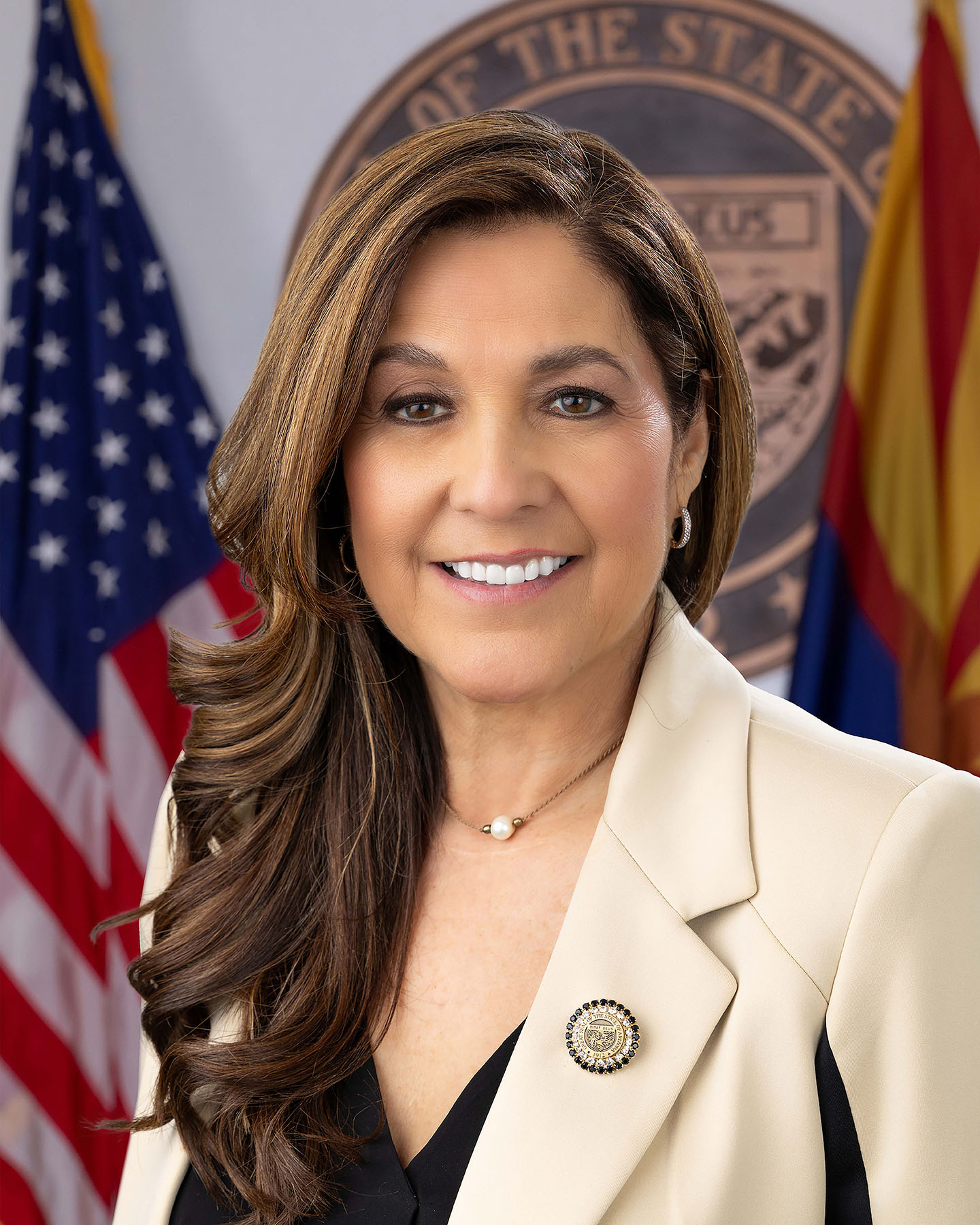
Sen. Catherine Miranda
Sponsored bills
Maddy summaryHB 2503 is a definitional bill that clarifies terms related to driver licenses and personal information in Arizona law. It defines key terms like "consular identification card" (a form of ID meeting specific state requirements), "highly restricted personal information" (including social security numbers, tax IDs, and medical data), and "express consent" for releasing such data. The bill establishes that personal information - including driver license details, medical codes, and identification numbers - cannot be shared without a customer's explicit written consent. This primarily affects how Arizona's Department of Transportation handles and discloses personal data, requiring opt-in consent for sharing sensitive information like tax IDs or medical records.
Maddy summaryThis Arizona bill requires employers with 50+ employees to grant up to 16 hours per school year for school conferences or activities involving an employee's child. Employees must have worked at least six months, exhausted other leave types (except sick leave), and work at least half-time to qualify. Employers aren't required to pay for this time off and may deny requests if over 5% of staff request it simultaneously. The law applies to all public and private K-12 schools in Arizona and covers biological, adopted, foster, and stepchildren.
Maddy summaryHB 2495 amends Arizona law to establish standards for online schools and instruction. It requires new online schools to operate under probationary status for three years, demonstrating improved student academic performance before becoming permanent. The bill mandates daily time tracking for online students, sets specific curriculum and safety standards for online programs, and adjusts funding to 95% of base support for full-time online students (compared to traditional schools). These provisions directly affect Arizona online schools, their students, and school districts managing online enrollment. The bill does not relate to full-day kindergarten as the title suggests.
Maddy summarySB 1209 requires corporations and limited liability companies (LLCs) to register with Arizona’s Corporation Commission before purchasing single-family homes, and mandates that county recorders cannot record deeds without proof of registration matching the deed’s owner name. It limits corporate ownership to no more than 5% of a county’s single-family homes (or 100 units annually in counties with 400,000+ residents) and requires deeds to state the property is not a primary residence. Exceptions apply to entities owning fewer than ten homes statewide and internal transfers within a corporation or LLC. The bill aims to regulate corporate real estate activity while exempting smaller-scale owners from the restrictions.
Maddy summaryHB 2504 amends Arizona statutes to standardize terminology and restrict immigration-related activities. It changes "legal resident alien" to "legal resident alien immigrant" in liquor licensing (Section 1), prohibits adoption of undocumented immigrants under age 21 (Section 2), and bans cities/counties from building work centers facilitating employment of undocumented immigrants (Sections 3-4). The bill also mandates state agencies to enforce federal immigration laws "to the full extent permitted" (Section 5). These changes directly affect liquor license applicants, adoption petitioners, and local governments constructing work centers.
Maddy summarySB 1136 requires Arizona school districts to conduct background checks via fingerprinting for noncertificated personnel (like volunteers, contractors, or aides working directly with students without a certified employee supervising them). It mandates that these individuals disclose specific criminal offenses - such as sexual abuse, violence, drug offenses, or crimes against children - on a form, and school districts may deny employment or terminate staff based on these disclosures. The bill also requires districts to cover fingerprinting costs (except for unpaid personnel), establishes a "fingerprint fund" for related expenses, and permits sharing background check results between school districts. This applies directly to school staff who interact with students unsupervised, not to parents, guardians, or certificated employees.
Maddy summaryHB 2494 establishes an advisory task force to study employee misclassification and payroll tax fraud specifically in Arizona's construction industry. The task force, composed of agency directors (industrial commission, insurance, contractor registrar) and advisory members, will examine issues like revenue losses, enforcement effectiveness, and public awareness. It must submit annual reports to legislative committees by February 1, starting in 2027, detailing findings on misclassification frequency, economic impacts, and potential policy improvements. The bill does not change existing laws but creates a process to evaluate whether new regulations or enforcement strategies are needed.
Maddy summaryThis bill appropriates $25 million from Arizona's state general fund for the Housing Trust Fund in fiscal year 2025-2026 to support affordable housing. It directly affects landlords who receive payments from this fund for rent owed by tenants, prohibiting them from filing, finalizing, or enforcing legal actions against those tenants for the unpaid rent. The key provision ensures that when the state fund covers rent payments to landlords, tenants cannot face eviction or legal penalties for that specific debt. This creates a direct financial protection for tenants with rent arrears who qualify for assistance through the Housing Trust Fund.
Maddy summarySB 1137 sets July 1, 2033, as the termination date for Arizona's Empowerment Scholarship Accounts (ESA) program, which provides state-funded scholarships for private school tuition and educational expenses. The bill mandates a comprehensive program review and performance audit to be completed by October 1, 2032, assessing the program's effectiveness, management efficiency, and whether it meets its original goals. This review includes a draft report for the administering department to comment on, a public hearing, and an audit of program outcomes by the state auditor. The legislature must pass and the governor must sign a continuation bill before July 1, 2033, for the program to continue; otherwise, it ends on that date. The law governing the program will be repealed after December 31, 2033.