

Maddy summarySB 1382 requires most groundwater users in Arizona’s designated management areas to install approved measuring devices and submit annual reports on their water withdrawals. It primarily affects agricultural users, landowners, and water districts withdrawing groundwater for irrigation or non-irrigation uses in active management zones or the Santa Cruz area. Key exemptions include small users (10 or fewer acre-feet yearly), farms using water on ≤10 contiguous irrigated acres without integrated operations, and certain grandfathered rights. The bill mandates the director to set device specifications and reporting rules, while clarifying which users are exempt from these requirements.
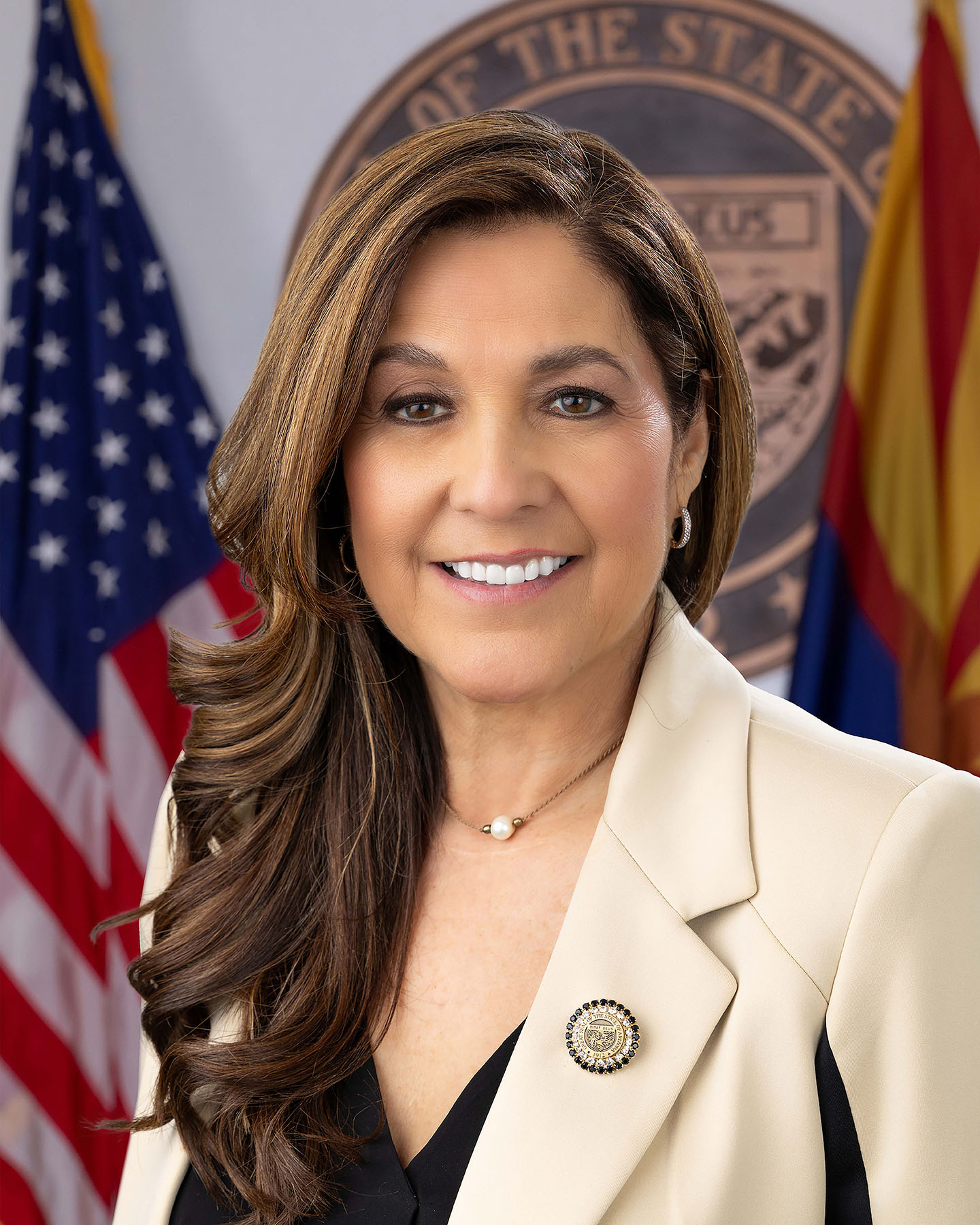
Sen. Catherine Miranda
Sponsored bills
Maddy summaryThis bill (SB 1378) amends Arizona's court fee schedule under Section 12-284 of the Arizona Revised Statutes. It updates specific filing fees for court cases, including domestic relations matters (e.g., dissolution petitions at $149.00), but does not address domestic violence or firearm transfers. The bill solely modifies fee classifications for court filings and administrative actions, with no substantive policy changes related to firearm restrictions or domestic violence protections. The title appears misleading, as the actual text contains only fee adjustments.
Maddy summarySB 1352 expands Arizona’s definition of domestic violence to include more relationship types, such as current or former romantic/sexual partners, and clarifies when law enforcement must arrest individuals for domestic violence offenses involving physical injury or weapons. It requires officers to temporarily seize firearms during domestic violence calls if they believe the firearm poses a risk of serious harm to victims or household members, with specific procedures for holding firearms for 72 hours and notifying victims. The bill also mandates that officers inform victims about available protections (like restraining orders) and establishes a court process for returning firearms after a hearing if the risk no longer exists. Importantly, this bill does not address animal abuse, despite the title suggesting it. The changes directly affect victims, defendants, and law enforcement officers responding to domestic violence incidents.
Maddy summaryThis bill repeals two Arizona statutes (ARS 9-500.38 and 11-269.16) and amends ARS 44-1648 to clarify that while the state preempts statewide registration of scrap metal dealers, local governments (cities, towns, counties) may still enforce business licensing requirements for these dealers - provided their systems include background checks or fingerprinting. It also ensures that scrap metal dealers with valid licenses from local authorities before September 13, 2013, remain compliant without needing to reapply, unless new circumstances require updates. The bill directly affects scrap metal dealers and local licensing authorities in Arizona.
Maddy summaryArizona's SB 1355 expands anti-discrimination protections in employment, housing, and public accommodations by explicitly adding "gender identity and gender expression" to the list of protected characteristics. The bill requires businesses open to the public (like restaurants, hotels, and recreation facilities) to avoid discrimination based on these categories and mandates that new or fully renovated public restrooms in government buildings be designated as gender-neutral. It clarifies that public accommodations may exclude individuals for reasons like disruptive behavior but cannot deny service based on protected traits. This law directly affects businesses serving the public and individuals facing discrimination in these areas across Arizona.
Maddy summarySB 1361 creates Arizona Empowerment Scholarship Accounts, providing state-funded scholarships for students to use at approved educational providers. It directly affects Arizona students and their parents, who must sign agreements to use funds only for specific educational expenses like tuition at qualified schools, textbooks, tutoring, special education services (for eligible students), and postsecondary education costs. Key provisions include restrictions on concurrent use with school tuition organizations, requirements for approved providers (e.g., fingerprinted staff), and annual eligibility reviews for students nearing age 22. The bill expands educational options beyond traditional public schools while specifying allowable uses of funds through detailed expense categories.
Maddy summarySB 1321 allows Arizona residents convicted of qualifying misdemeanors (excluding certain offenses like violent crimes or drug offenses) to petition courts for expungement of their records starting January 1, 2027. To qualify, petitioners must wait at least three years after completing probation or sentence, have no pending cases or unpaid fines, and provide proof of sentence completion. If approved, courts will seal all conviction records, prohibit law enforcement from disclosing them without a court order, and allow petitioners to legally state the conviction never occurred. Victims of the offense receive notice and the right to be heard during the process. This bill directly affects individuals with eligible misdemeanor convictions seeking to move forward without criminal record barriers.
Maddy summarySB 1360 amends Arizona's Empowerment Scholarship Account (ESA) program to clarify eligible uses of funds and renewal requirements. It specifies that ESA funds can cover tuition at qualified schools, textbooks, educational therapies, tutoring, online programs, transportation, and certain postsecondary expenses. Parents must agree not to use other scholarships concurrently and must complete annual education plans for students nearing age 22 to maintain eligibility. The bill directly affects Arizona parents enrolled in the ESA program who receive state-funded scholarship accounts for their children's education.
Maddy summarySB 1358 requires Arizona counties to designate at least one polling place on the main campus of each state university and provide at least one early ballot dropbox at every community college campus and satellite location within the county. It mandates these locations be established for all general and primary elections, directly affecting voters attending state universities and community colleges. The bill also includes provisions for combining precincts, using voting centers, and emergency voting centers, but its core requirement focuses on campus accessibility. This creates concrete policy changes by legally requiring specific voting infrastructure at educational institutions.
Maddy summarySB 1353 establishes a state fish contaminant monitoring program to test sport fish for pesticides and metals in all Arizona waters supporting recreation. It requires the Department of Environmental Quality to monitor all such waters every three years (with extra focus on urban areas), conduct annual screenings for new contamination risks, and partner with the Department of Health Services to assess health risks based on fish consumption data. The program mandates health advisories and multilingual signage (English/Spanish) at fishing sites when contaminants pose significant risks, including posting warnings in Arizona Game and Fish regulations. The bill appropriates $500,000 for this program in fiscal year 2026-2027, directly affecting Arizonans who consume locally caught sport fish, especially in urban communities.