

Maddy summarySB 1442 requires corporations and limited liability companies (LLCs) to register with Arizona’s Corporation Commission before purchasing single-family homes, condos, or townhomes. It mandates registration with the Securities Division (including a fee), creates a public online registry, and imposes a $20,000 civil penalty for non-compliance. The bill also prohibits corporate purchases unless the property has been on the market for over 90 days or the asking price changed. Exemptions include small owners (under 10 properties), government entities, nonprofits, land trusts, group homes, and employers renting to staff. The Commission must annually report all corporate purchases/sales by zip code starting in 2027.
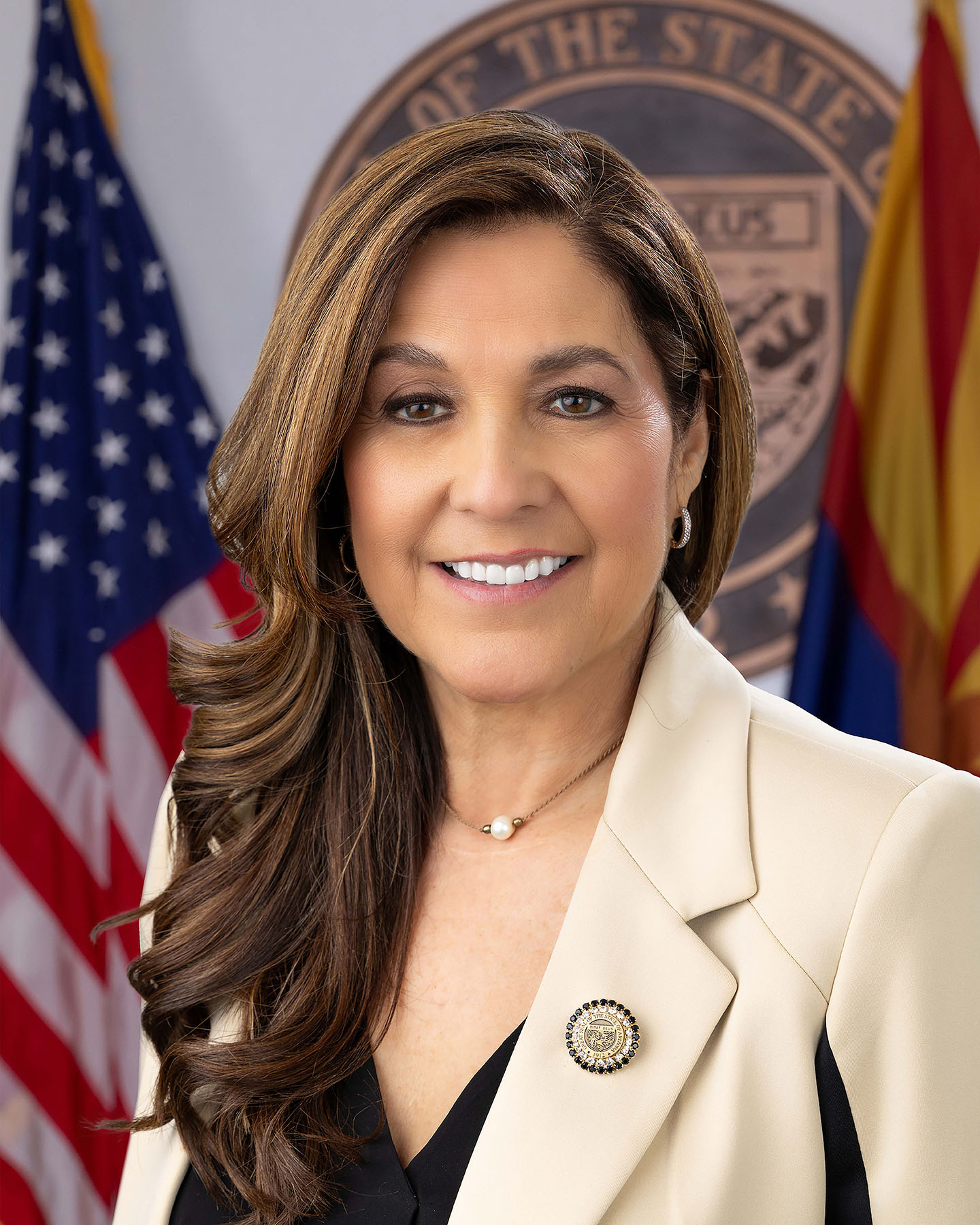
Sen. Catherine Miranda
Sponsored bills
Maddy summaryHCR 2045 is a ceremonial resolution honoring the late U.S. Representative Raúl Grijalva (D-AZ), who died on March 13, 2025. The resolution expresses the Arizona Legislature’s "profound sorrow" at his passing and recognizes his 50+ years of public service, including 12 terms in the U.S. House representing Southern Arizona. It highlights his work on environmental protection, tribal sovereignty (notably the Grand Canyon Tribal Coalition), and advocacy for public education and social justice. As a memorial resolution, it has no policy impact or direct effect on constituents - it is purely a symbolic tribute. The Arizona House and Senate approved it in January 2026.
Maddy summarySB 1409 requires Arizona public schools serving grades 6-12 to provide free tampons and sanitary napkins in all women's and gender-neutral restrooms. It directly affects school districts and charter schools, mandating they make these products available without charging students or families. The bill allocates $2.5 million from the state general fund in fiscal year 2026-2027 to the Department of Education for distribution to schools to cover the costs. This is a concrete policy change ensuring access to essential hygiene products in school settings.
Maddy summarySCR 1017 proposes adding a new constitutional right to a clean and healthy environment in Arizona's Constitution. It states that every person has an inherent right to clean water, clean air, healthy ecosystems, a safe climate, and preserved natural qualities, belonging to both current and future generations. The amendment requires Arizona and its local governments to act as trustees of natural resources (including water, air, and climate), conserve them for all people, and prioritize securing a safe climate and clean energy as a "compelling state interest." This proposal must be approved by voters in the next general election to take effect.
Maddy summarySB 1394 establishes legal rights for individuals to access fertility treatments without unreasonable barriers, including preserving reproductive materials, artificial insemination, IVF, and related services. It directly affects patients seeking fertility care, healthcare providers offering these services, and health insurers required to cover them. Key provisions guarantee individuals’ rights to continue ongoing treatments, retain control over their reproductive materials, and ensure providers can offer evidence-based care within their scope. The bill also exempts the Department of Health Services and health boards from standard rulemaking requirements for one year to implement these provisions. This legislation aims to clarify access and rights but is pending final passage.
Maddy summarySB 1381 requires farmers or ranchers leasing state agricultural land (outside specific groundwater management areas) to pay an annual fee based on their groundwater use. They must report well locations, water volume, and usage annually by March 31. Fees collected go to the state land trust fund, with the legislature stating fees should reflect groundwater's fair market value. This bill directly affects agricultural lessees on state land in areas not covered by active groundwater management zones.
Maddy summarySB 1395 repeals Arizona's existing requirement for abortion providers to report certain data to the state. It directly affects abortion providers who previously had to submit these reports under Title 36, Chapter 20, Article 2 of the Arizona Revised Statutes. The bill removes this reporting obligation without creating new requirements or mechanisms. As a procedural repeal, it eliminates a specific administrative rule rather than changing abortion access or policy. This action was introduced in the Arizona Senate on January 26, 2026.
Maddy summarySB 1359 amends Arizona law to change how unclaimed firearms are handled and prevents local governments from enacting stricter firearm regulations. It requires that unclaimed firearms be sold to licensed dealers (not destroyed) after 30 days, unless prohibited by law, and allows law enforcement to trade firearms for equipment. The bill also blocks cities or counties from creating rules that conflict with state firearm laws, including bans on local licensing, registration, or more restrictive penalties. Exceptions include limited restrictions on minors in public places and minor tax rules for firearms sales.
Maddy summarySB 1357 requires manufacturers of large electronics (like desktops, laptops, monitors, and TVs over 4 inches) to create statewide recycling programs by 2027. It mandates that these manufacturers register with Arizona’s department, pay annual fees, and label products with their brand. The bill also requires manufacturers to establish convenient collection sites in every county and major city, provide public recycling information, and ensure environmentally sound recycling processes. Retailers cannot sell covered devices without proper labeling and manufacturer registration starting January 1, 2027. This affects manufacturers, retailers, and consumers who purchase these electronics.
Maddy summarySB 1375 protects individuals attending court proceedings from civil arrest while traveling to, at, or leaving court. It covers parties, witnesses, potential witnesses, and specific court companions (like family members, advocates, or translators) at court locations and within 1,000 feet, with violations carrying $10,000 in damages. The bill also requires Arizona hospitals to adopt policies by January 2027 for handling law enforcement interactions, including verifying officer identity, designating waiting areas, and providing patients with privacy notices that allow redaction of immigration status or birthplace information. These provisions apply to all court proceedings and hospital facilities statewide, directly affecting court participants, hospitals, and law enforcement.