

Maddy summarySB 1306 expands Arizona's Empowerment Scholarship Account (ESA) program to allow more families to use public funds for private education. It adds new eligibility requirements: students must either attend public school full-time for most of the prior year (with a transfer agreement) or provide proof of family income below $200,000 (adjusted annually after 2027). The bill specifies that ESA funds can cover tuition at qualified schools, textbooks, educational therapies, tutoring, online programs, standardized tests, and postsecondary costs, but prohibits using funds for school tuition organizations concurrently. This directly affects Arizona families with school-aged children meeting the income or attendance criteria, starting in 2027.
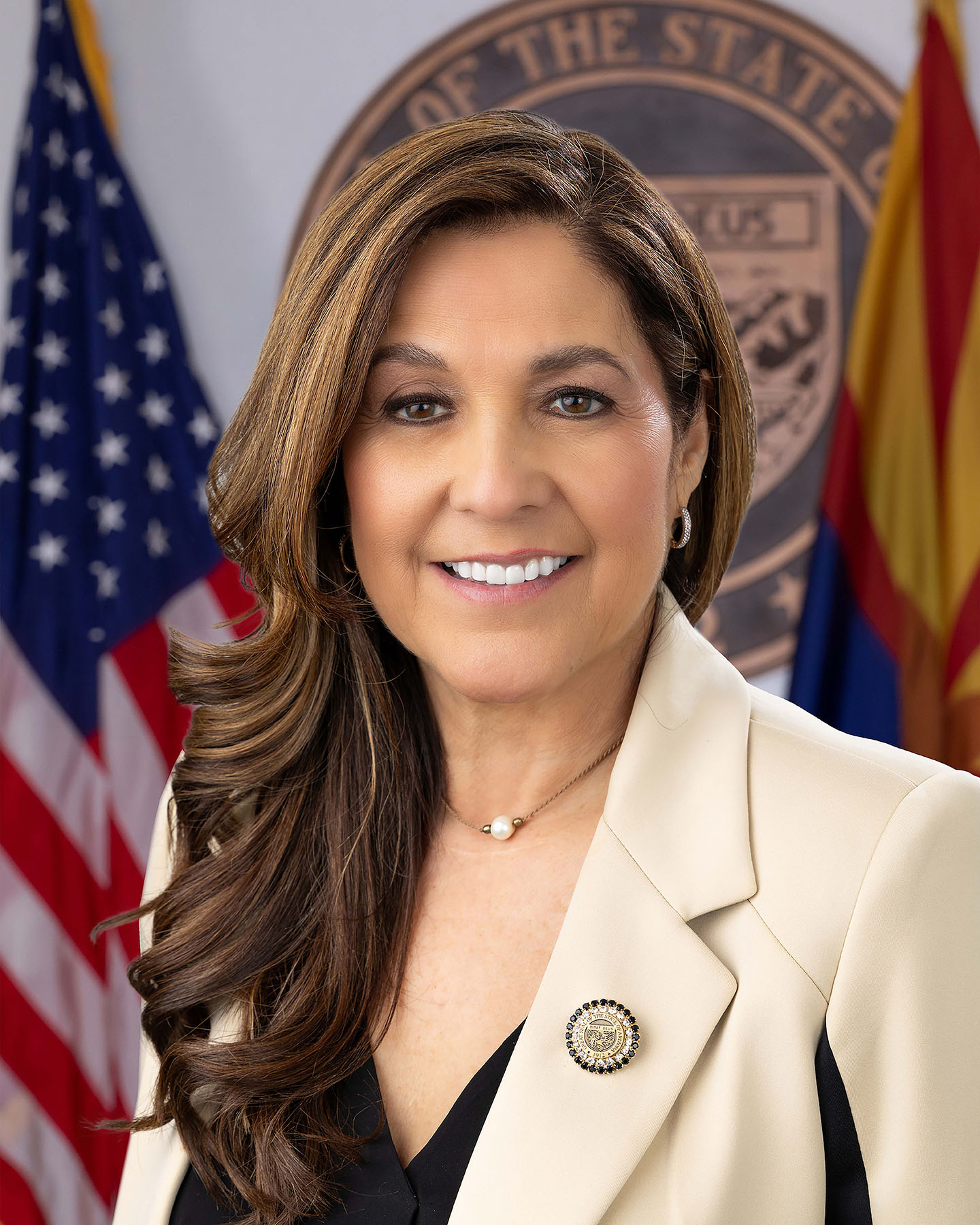
Sen. Catherine Miranda
Sponsored bills
Maddy summaryThis bill defines key terms for Arizona's Empowerment Scholarship Account (ESA) program, establishing eligibility criteria for students. It specifies who qualifies as a "qualified student" (e.g., children with disabilities, military children, students from low-performing schools, or those on Indian reservations) and outlines requirements like prior enrollment in public schools. The definitions directly affect families seeking ESA funds to cover education costs at participating schools. As a foundational definitional bill (not a new policy), it sets the framework for future program implementation without altering current funding or administrative processes.
Maddy summarySB 1374 defines key terms related to Arizona driver's license records and personal information. It specifies that "highly restricted personal information" includes consular identification card numbers, social security numbers, medical details, and driver license data. The bill requires "express consent" (including electronic signatures) for releasing such sensitive information from the Department of Motor Vehicles. This affects drivers whose personal data is stored in DMV records and the state agency managing those records.
Maddy summarySB 1350 establishes Arizona's "Outdoor Rx" program, providing state grants for outdoor-based therapy programs focused on veterans, individuals recovering from substance abuse or trauma, and those seeking healthier lifestyles through nature. The program funds public and private organizations offering activities like conservation, ecological studies, and agricultural therapy in natural settings (e.g., state parks), requiring applicants to contribute matching funds and meet specific criteria like veteran participation (minimum 50%) and research-based methods. The Department of Health Services administers the grants, sets application rules, and requires program evaluations, while an advisory committee with park, health, and veteran agency representatives guides implementation. This bill directly affects community organizations and veterans' services by creating a new state-funded pathway for nature-based therapy programs.
Maddy summarySB 1356 establishes a seven-member study committee to examine economic and development barriers to creating community land trusts in Arizona. The committee, appointed by legislative leaders and including community practitioners and higher education representatives, must study these barriers and propose solutions. It is required to submit a final report to state leaders by December 31, 2026, with the committee dissolving after June 20, 2027. This procedural bill does not create new laws but sets up a formal process for evaluating community land trust development.
Maddy summarySB 1380 requires large electricity consumers in Arizona to pay directly for the energy costs (including fuel, generation, and transmission) tied to their own usage, rather than having those costs shared with other customers. It defines "large load customers" as entities using at least 50 megawatts during peak demand, specifically including data centers, cryptocurrency mining operations, industrial facilities, manufacturing plants, hydrogen production sites, and large buildings. The bill prohibits these large customers from passing their energy costs to other public power or public service corporation customers. This applies to both public power entities (like municipal utilities) and public service corporations (like investor-owned utilities). The law aims to allocate energy costs more directly to the users responsible for high demand.
Maddy summarySB 1383 repeals Arizona's existing greenhouse gas program framework, specifically removing Title 49, Chapter 1, Article 6 of the Arizona Revised Statutes. This bill directly affects any current or future state programs operating under that repealed legal authority. The bill contains no new provisions or mechanisms - it solely eliminates the existing statutory structure for greenhouse gas programs. No new requirements or prohibitions are created; the action is purely a repeal of prior law.
Maddy summaryThis bill allocates $400,000 in state funding for public schools to plant low-emission, climate-appropriate trees on campuses. It prioritizes schools where 75% or more of students qualify for free/reduced-price lunches (under federal nutrition programs), distributing funds first-come, first-served until December 31, 2026. Remaining funds after that date will be available to all public schools on a first-come basis. Schools receiving funds must report on usage and may partner with nonprofits for tree planting.
Maddy summaryArizona's SB 1396, the "Arizona Right to Contraception Act," establishes a legal right for individuals to access contraceptives and engage in contraception, and for health professionals to provide them. The bill prohibits state or local government actions that single out contraceptive services or impede access, such as restricting providers or facilities offering these services. It specifically clarifies that the law does not override requirements for voluntary, informed consent in sterilization procedures. The act directly affects patients seeking contraception and healthcare providers who prescribe or distribute contraceptive methods like birth control pills, IUDs, or condoms.
Maddy summarySB 1377 requires employers in high-risk industries - including agriculture, construction, landscaping, oil/gas extraction, and delivery work - to implement heat illness prevention measures. It mandates employers provide drinkable water with ice (1 cup every 15-20 minutes at 80°F+, more at 95°F+), access to shade or climate-controlled areas within 400 feet, and paid rest periods (15-45 minutes per hour) when temperatures reach 80°F or higher. Employers must also establish high-heat monitoring (e.g., supervisor checks, buddy systems), emergency response protocols, and require preshift meetings for agricultural workers. The law directly affects workers and employers in the specified industries across Arizona.