

Maddy summaryHB 2236 appropriates $4.3 million from Arizona's general fund for capital improvements at the northeast Arizona training center operated by Northland Pioneer Community College in Navajo County. The funds must be used exclusively for public safety workforce training, including modernizing the driving track to meet state standards, expanding classroom space for law enforcement and emergency services programs, and upgrading related infrastructure. The college must report by December 2027 on how the money was spent, progress toward training standards, completed facility upgrades, and enrollment/outcomes data. This bill directly affects public safety training programs and their participants in northeast Arizona.
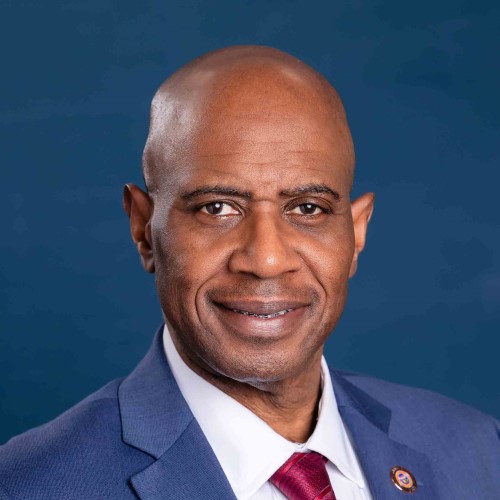
Rep. Walt Blackman
Sponsored bills
Maddy summaryHB 2603 creates mobile veteran service units to provide healthcare and support directly to rural and tribal veterans in Arizona who face travel barriers. These units will offer monthly community visits, telehealth access (especially for veterans with disabilities), behavioral health services, claims assistance, and mental health referrals in six specified counties: Navajo, Apache, Coconino, Mohave, Yavapai, and Gila. The units must comply with accessibility standards under the Americans with Disabilities Act. The department must report quarterly starting in 2027 on the number of veterans served, types of aid provided, claims filed, and improvement suggestions.
Maddy summaryHB 2618 provides tuition waivers at Arizona public universities and community colleges for children or spouses of Arizona Gold Star Military Medal recipients who were killed or died from injuries in the line of duty while stationed in Arizona, limited to those under age 26. It also mandates trauma counseling for family members of deceased service members and Gold Star recipients for at least 10 years. The bill establishes a Fallen Guard Family Relief Fund to offer benefits like burial supplements, emergency aid, tuition reimbursements, and mental health services to immediate family members of Gold Star recipients. The Department of Veterans' Services will verify eligibility and coordinate these benefits under amended statutes.
Maddy summaryHB 2853 establishes a process for the U.S. government to gain concurrent juvenile delinquency jurisdiction over specific military lands in Arizona, directly affecting seven military installations including Fort Huachuca, Yuma Proving Ground, and Davis-Monthan Air Force Base. The bill requires the U.S. to submit a formal written request with legal descriptions to Arizona's governor, who must approve and file the documents with county recorders before jurisdiction transfers. Arizona retains the right to withdraw this jurisdiction three years after notifying the U.S. Department of Defense. The jurisdiction applies only to lands owned or controlled by the U.S. within these military areas, not to other properties.
Maddy summaryHB 2616 establishes the Ernest McFarland Act tuition waiver scholarship program, providing tuition coverage at Arizona universities and community colleges for veterans and military-connected families. It directly affects veterans discharged honorably after 180+ days of active duty, spouses/children of service members killed in action or with service-connected disabilities, and military family members with permanent disabilities. The program covers tuition costs for eligible students who qualify as in-state residents, with a limit of 150 total credit hours across all programs. The Arizona Board of Regents administers the program, sets credit hour limits based on degree programs, and allows hardship exceptions for academic progress requirements.
Maddy summaryHB 2607 creates Arizona's Veteran Housing and Reintegration Grant Program, providing state funds to counties and tribal governments to support veteran housing initiatives. The program offers grants for specific activities including fast-tracking housing approvals, managing land for veteran housing, building housing, reducing public safety costs, and accessing federal housing funds. Counties must contribute local matching funds (25% for rural areas, 50% for urban/suburban), and the $10 million state appropriation (fiscal year 2026-2027) will be administered through a dedicated fund. This legislation directly affects local governments and aims to expand housing access for veterans while leveraging federal resources.
Maddy summaryHB 2602 allocates $24.5 million from Arizona's state general fund to provide a 10% pay increase for all employees of the Department of Public Safety (DPS) during fiscal year 2026-2027. This funding directly affects all DPS staff, including officers, support personnel, and other department employees, by raising their base salaries. The bill specifies that the funds are solely for this pay adjustment with no additional requirements or conditions.
Maddy summaryHB 2233 requires Arizona's administration to annually report to the Joint Legislative Budget Committee on how federal funds from the Rural Health Transformation Program are being used and distributed. This bill directly affects the state's management of these specific federal health funds, ensuring transparency for legislative oversight. The key mechanism is an annual reporting requirement, mandating the administration provide detailed information to the committee about fund allocation and usage. The bill does not change the program's funding or eligibility but adds a review process for accountability.
Maddy summaryHB 2606 requires Arizona homeowners' associations (HOAs) to provide members with access to specific financial and operational records upon written request. It mandates that HOAs make these records available within 10 business days, limit copy fees to $0.15 per page, and prohibits charging for review access. The bill specifies exactly which records qualify (e.g., budgets, assessments, insurance policies, meeting minutes for the past three years) while allowing HOAs to withhold certain sensitive information like attorney communications, pending litigation details, or personal member data. This bill directly affects HOA members seeking transparency into association finances and governance.
Maddy summaryHB 2604 establishes that private dispute resolution groups (like religious councils or community mediators) cannot override Arizona's civil courts or restrict access to them. It prohibits private tribunals from making binding decisions that discriminate based on sex, age, or other protected classes, and requires them to maintain transparency and documentation of voluntary participation. The bill specifically protects vulnerable individuals - such as children, abuse victims, or those under coercion - from having their legal rights waived or decisions enforced that violate due process. Civil courts retain full authority to review private tribunal decisions for fairness, voluntariness, and compliance with constitutional rights, while preserving religious freedom and nonbinding spiritual guidance.