

Maddy summaryHB 2782 creates a state-run health insurance consumer assistance program to help Arizonans navigate claim denials, appeals, and enrollment issues. It requires health insurers to prominently display information about this program on all benefit explanations and denials, while mandating insurers to report data on denied claims to the state. Insurers that wrongfully deny or underpay valid claims face civil penalties (up to $25,000 per violation), double damages for consumers, and potential license suspension. The program also tracks claim issues, compiles annual public reports on denial rates, and requires insurers to disclose denial data upon request.
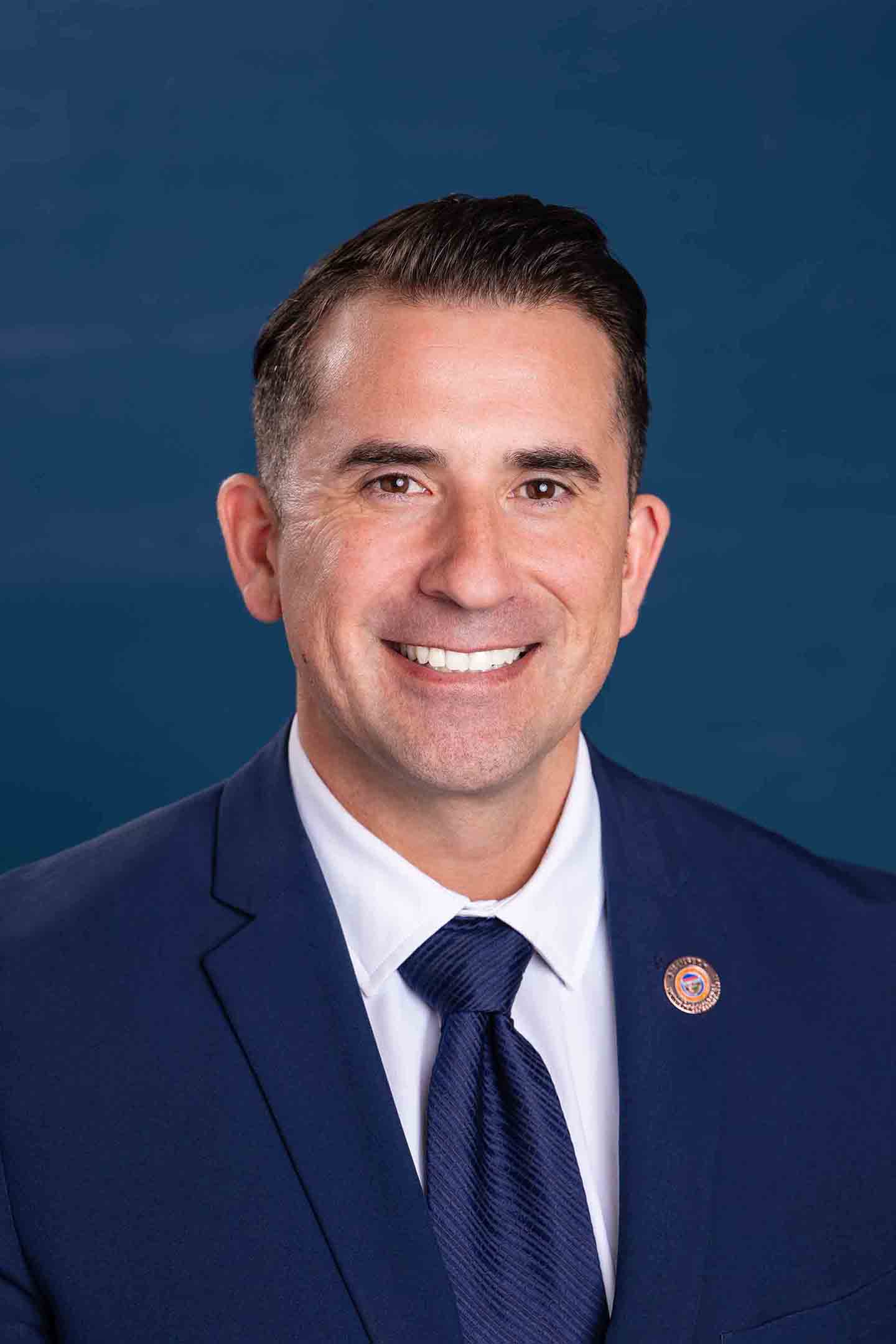
Rep. Aaron Marquez
Sponsored bills
Maddy summaryHB 2799 requires Arizona-based businesses selling online subscriptions to make cancellation simple and transparent for customers. Specifically, it mandates that businesses: (1) let customers cancel using the same method they enrolled with, without extra steps; (2) clearly explain renewal terms and cancellation instructions at signup; (3) send renewal reminders allowing customers to opt out; and (4) only offer retention incentives *after* a customer expresses intent to cancel. This directly affects online subscription services operating in Arizona, aiming to prevent "bait-and-switch" tactics and ensure fair cancellation processes. The law focuses on concrete business practices rather than broader policy outcomes.
Maddy summarySB 1547 establishes a mail-in ballot system as an alternative voting method for elections in Arizona's agricultural improvement districts. It requires election officials to mail ballots, return envelopes, and instructions to all eligible voters 90 days before an election, with ballots due by 7:00 p.m. on election day. Voters may also request ballots in person or vote at designated early voting locations until 7:00 p.m. on election day. This bill directly affects voters in agricultural improvement districts by providing a mail-based voting option alongside traditional in-person voting, streamlining the process for these specific districts.
Maddy summarySB 1548 establishes a temporary study committee to examine barriers to community land trusts in Arizona. The committee, appointed by legislative leaders and including land trust practitioners and higher education representatives, will study economic and developmental challenges and submit recommendations by December 31, 2025. This procedural bill does not create new policies or directly affect residents; it only authorizes a study to inform future legislative action. The committee’s work expires on June 20, 2026.
Maddy summaryHB 2646 prohibits the sale and use of fertilizers and pesticides containing PFAS (per- and polyfluoroalkyl substances) or fluorinated chemicals with two or more fully fluorinated carbon atoms after December 31, 2026. It directly affects fertilizer manufacturers, distributors, and pesticide producers who use these chemicals. The bill amends Arizona statutes to ban such substances in all fertilizers (including biosolids) and pesticides, with enforcement through director authority to issue penalties, pursue criminal charges (class 2 misdemeanor for violations), or seek injunctions. The prohibition takes effect on January 1, 2027, providing a transition period for industry compliance.
Maddy summaryHB 2751 creates a 1% surcharge on payroll taxes for Arizona businesses employing 50 or more people, starting in 2026. This surcharge applies to all business types (including corporations, partnerships, and LLCs), with co-owners paying based on their ownership share. The collected funds will be deposited into a new Community College Apprenticeship and Workforce Development Program Fund. The money will specifically support community colleges in developing apprenticeship and workforce training programs, directly benefiting workers seeking job skills and businesses needing trained employees.
Maddy summaryHB 2781 amends Arizona's landlord-tenant law to authorize the Attorney General to investigate violations of the chapter under consumer fraud and civil rights statutes. It directly affects landlords and tenants by adding the Attorney General as an enforcement authority for these violations, alongside existing mechanisms. The key provision allows the Attorney General to investigate under Title 44 (consumer protection) and Title 41 (civil rights) without creating new tenant or landlord obligations. This is a procedural change to enforcement, not a policy shift in tenant rights. The bill is in early stages (House first and second readings in February 2025).
Maddy summaryHB 2716 would exempt school building blueprints and floor plans from being considered public records under Arizona law. This means these documents would no longer be subject to public record requests made under Title 39, Chapter 1. The bill directly affects anyone seeking access to school facility design documents, including journalists, researchers, or members of the public. It changes the current requirement that such records be disclosed by stating they are not public records by law. The bill is currently in early legislative stages (House First and Second Readings).
Maddy summaryHB 2719 requires Arizona municipalities with over 75,000 residents to permit duplexes, triplexes, fourplexes, and townhomes (collectively "middle housing") by January 1, 2026. Specifically, it mandates these housing types be allowed on all single-family zoned lots within one mile of downtown and on at least 20% of new developments over 10 acres. The bill prohibits municipalities from discouraging middle housing through excessive regulations, restricting building height, imposing stricter rules than single-family homes, or requiring more parking per unit. This aims to increase housing options in urban areas while exempting historic districts, airport zones, and areas lacking basic services.
Maddy summaryHB 2752 imposes a $300 annual surcharge on tuition paid by out-of-state students attending Arizona public universities. The collected funds will be deposited into a new Arizona Higher Education Financial Aid Program Fund. Starting in 2026, this fund will provide full tuition and fee coverage to eligible Arizona residents enrolled at state universities or community colleges who maintain a 2.0 GPA. To qualify, students must be Arizona residents, enrolled at a qualifying institution, and meet the GPA requirement. The bill also includes an initial $500,000 appropriation for the fund in fiscal year 2025-2026.