

Maddy summaryHB 2648 updates Arizona's child care assistance eligibility rules to support low-income working families and specific vulnerable groups. It expands access for families transitioning off cash assistance (up to 24 months), those with incomes at or below 165% of the federal poverty level (FPL), foster families, and families facing crises like domestic violence or homelessness. Key mechanisms include income thresholds (ceasing aid if income exceeds 85% of state median income), priority for families at or below 100% FPL, and options for education/training support instead of work requirements. The bill aims to align child care assistance with employment goals while managing funding through income-based eligibility and waiting list prioritization.
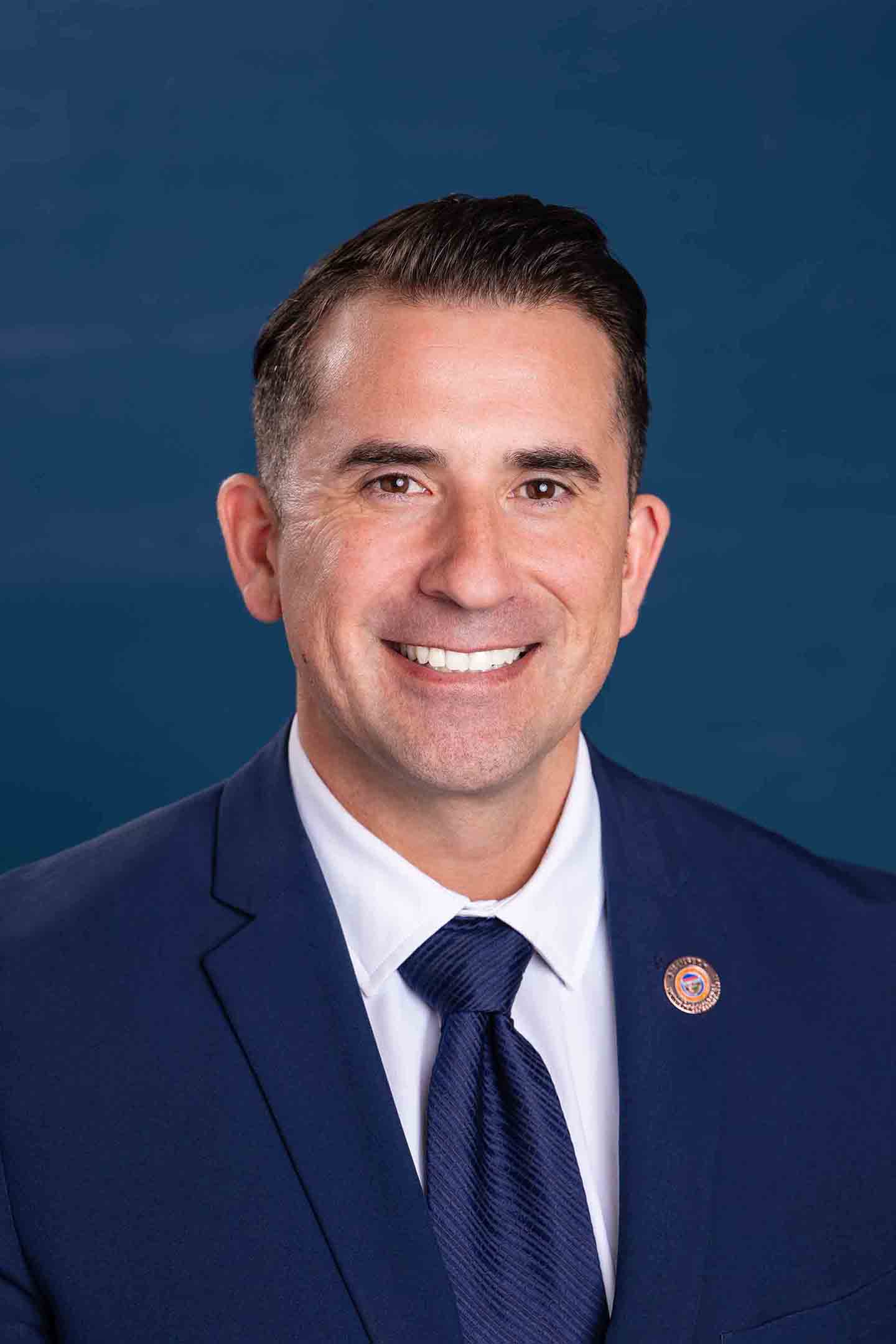
Rep. Aaron Marquez
Sponsored bills
Maddy summaryHB 2460 amends Arizona's children's health insurance program (CHIP) eligibility rules by adjusting income thresholds for children under 19. It sets the following income limits relative to the federal poverty level: 200% for 1999-2023, 225% (with CMS approval) for 2023-2025, and 300% starting October 1, 2025. The bill directly affects low-income Arizona families with children under 19 whose household income meets these revised thresholds. It does not change program benefits or structure, only the income eligibility percentages. The amendment is part of defining program terms in Arizona Revised Statutes Section 36-2981.
Maddy summaryHB 2501 repeals Arizona's right-to-work law (ARS 23-1302), which currently prohibits employers from requiring union membership or dues as a condition of employment. The bill also amends related statutes to remove references to the repealed law, including adjustments to civil liability for employment violations and protections against retaliatory termination. However, the bill will not take effect unless voters approve a constitutional amendment for right-to-work at the next general election. This repeal would directly affect workers, employers, and labor unions by eliminating a key restriction on union security agreements.
Maddy summaryHB 2373 sets new qualifications for Arizona county attorneys, directly affecting all current and future holders of this position. The bill requires county attorneys to be licensed attorneys in good standing who have practiced law in Arizona for at least five years prior to taking office. It also prohibits county boards of supervisors from paying salary to anyone ineligible under these new standards. Current county attorneys serving on the bill's effective date may continue until their current term expires. The bill amends existing law to strengthen eligibility requirements for this elected county office.
Maddy summaryHB 2555 allocates $7 million from Arizona's state general fund for fiscal year 2025-2026 to the Department of Transportation for the Ganado traffic light project. This funding will be distributed to the Navajo Division of Transportation to implement traffic safety improvements in Ganado, Arizona. The bill directly affects the Navajo Nation community by providing resources for a specific infrastructure project aimed at enhancing road safety. It is a straightforward funding appropriation with no new regulations or eligibility requirements.