

Maddy summaryHB 2621 requires most private firearm sales or transfers between non-dealers to go through a licensed firearms dealer for a background check, with the buyer paying up to $20 for the service. It mandates in-person verification at the dealer’s location and prohibits transfers if background checks reveal legal prohibitions. The law excludes law enforcement, gunsmith repairs, antique firearms (pre-1898), immediate family gifts, and certain temporary transfers. Violating the bill carries a class 5 felony penalty. This directly affects private sellers and buyers who aren’t licensed dealers.
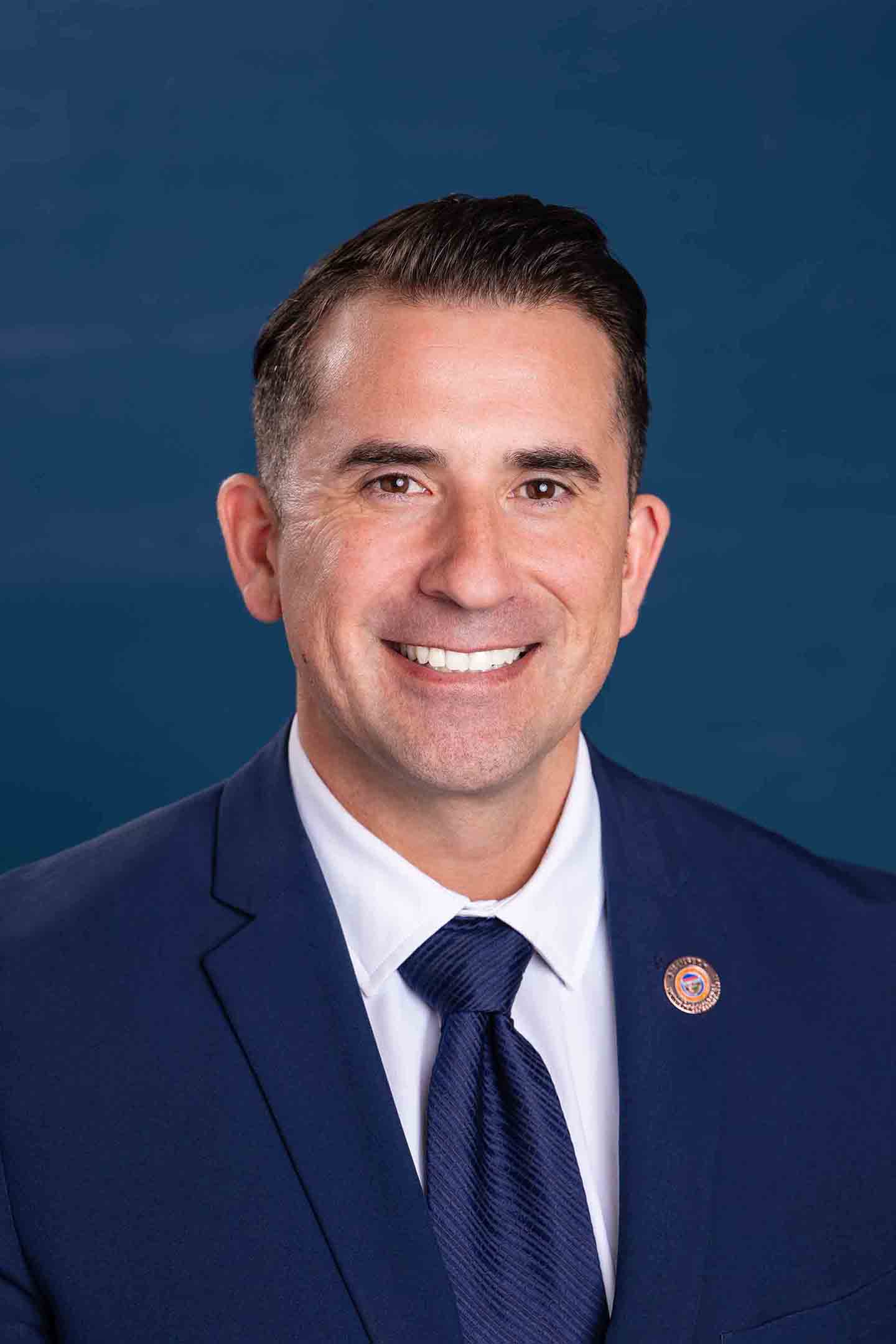
Rep. Aaron Marquez
Sponsored bills
Maddy summaryHB 2618 creates a voluntary program allowing any Arizona resident to temporarily restrict their own firearm access. Individuals can submit a request form via law enforcement or their healthcare provider to be added to a court-maintained "voluntary prohibited possessor list." Once listed, they are prohibited from purchasing or possessing firearms for 180 days, after which they are automatically removed unless they request an extension. This mechanism does not change existing prohibited possessor categories (like felons or domestic violence offenders) but provides a new administrative option for individuals seeking temporary firearm restrictions.
Maddy summaryHB 2593 requires Arizona school districts to offer preschool educational programs for children with specific disabilities (including hearing, visual, developmental delays, or speech impairments) who reside within the district. Charter schools may choose to provide these programs. The bill mandates that districts evaluate children before admission and specifies that these preschoolers count as half a full-time student for funding purposes. It also directs the state board to distribute 10% of federal funds for preschool disability programs to school districts and charters that choose to participate. This bill directly affects preschool children with disabilities and school districts managing their educational services.
Maddy summaryHB 2427 appropriates $10 million annually from the state general fund for fiscal years 2025-2026 and 2026-2027 to fund remedial education programs at Tohono O'odham Community College. The funds will be distributed through the governor's office on tribal relations, specifically for students enrolled in remedial classes at the college. This bill directly affects Tohono O'odham Community College and its students needing academic support. It provides concrete, dedicated funding for remedial education without altering broader educational policies.
Maddy summaryHB 2250 amends Arizona's Medicaid program (AHCCCS) to require contractors to provide preventive dental care for enrollees aged 21 and older. This directly affects Arizona Medicaid recipients who are adults, expanding their covered services to include routine dental prevention (like cleanings and check-ups) without an annual cost limit. The bill adds dental care as a covered service under Section 36-2907, specifying that emergency dental care and extractions remain capped at $1,000 per year for adults. It does not change eligibility or funding but mandates this coverage as part of the state's Medicaid benefits.
Maddy summaryHB 2292 requires Arizona health insurers (including hospital service corporations, health care services organizations, and disability insurers) to cover specific cancer-related genetic services starting January 1, 2026. It mandates coverage for genetic counseling, testing, and risk assessment for individuals with a personal or family history of cancer or inherited genetic mutations, based on National Comprehensive Cancer Network guidelines. This includes testing for genes linked to breast, ovarian, prostate, and Lynch syndrome cancers, with no deductibles or cost-sharing required. The bill directly affects Arizona residents with health or disability insurance who qualify for these services due to their cancer risk profile.
Maddy summaryHB 2212 requires court approval for contracts involving unemancipated minors performing artistic or creative services (such as acting, music, or writing) in Arizona, effective January 1, 2026. It mandates that employers set aside 15% of a minor’s gross earnings into a trust account, with a parent or guardian typically serving as trustee, and requires annual financial accounting. The bill directly affects minors in entertainment careers, their parents/guardians (as fiduciaries), and employers hiring them for artistic roles. Key provisions include employer deposit deadlines (15 business days), trust oversight responsibilities, and court authority to modify trust terms upon request. This policy change ensures earnings from artistic work are protected in a trust, separate from other family finances.
Maddy summaryHB 2294 amends Arizona law to allow outpatient treatment centers sharing ownership with a hospital and staffed by licensed providers to avoid state licensure, provided they do not charge a "facility fee." A facility fee is defined as any separate charge beyond professional fees for building costs, electronic records, billing, or administrative expenses. Centers must notify the health department of their exemption status, but the exemption does not apply if they keep patients overnight, provide abortion services, or offer pain management. This directly affects outpatient treatment centers seeking to operate without full licensure under these specific conditions.
Maddy summaryHB 2643 allocates $120 million from Arizona's state general fund and $91 million from federal child care development funds for the Department of Economic Security's child care assistance program in fiscal year 2025-2026. The bill directs these funds specifically for child care assistance services, exempting them from standard appropriation expiration rules. This funding supports low-income families seeking child care, ensuring continued program operations without automatic budget lapse. The bill does not change eligibility rules or create new benefits, only securing existing funding streams.
Maddy summaryHB 2497 establishes a study committee to examine health insurance costs for Arizona school district employees and their dependents. The committee, composed of appointed members including health insurance representatives, school district officials, teachers, and school board members, will analyze current insurance plans and costs. It must recommend affordable ways to maintain high-quality health coverage for educators and their families. The committee must submit its findings and recommendations to state leaders by November 1, 2026, and will be dissolved after October 31, 2027.