

Maddy summaryHB 2384 requires Arizona insurers to use wildfire risk modeling for fire insurance policies in cities and towns with fewer than 150,000 residents. It mandates that insurers base premiums on community-level wildfire mitigation efforts, specifically rewarding properties in "Firewise USA Site" communities that have implemented proven safety measures. This policy change directly affects homeowners in smaller Arizona communities and insurers operating there, shifting how wildfire risk is assessed from individual properties to community-wide safety programs. The law aims to incentivize community-wide wildfire preparedness by offering lower insurance rates to areas with certified mitigation efforts.
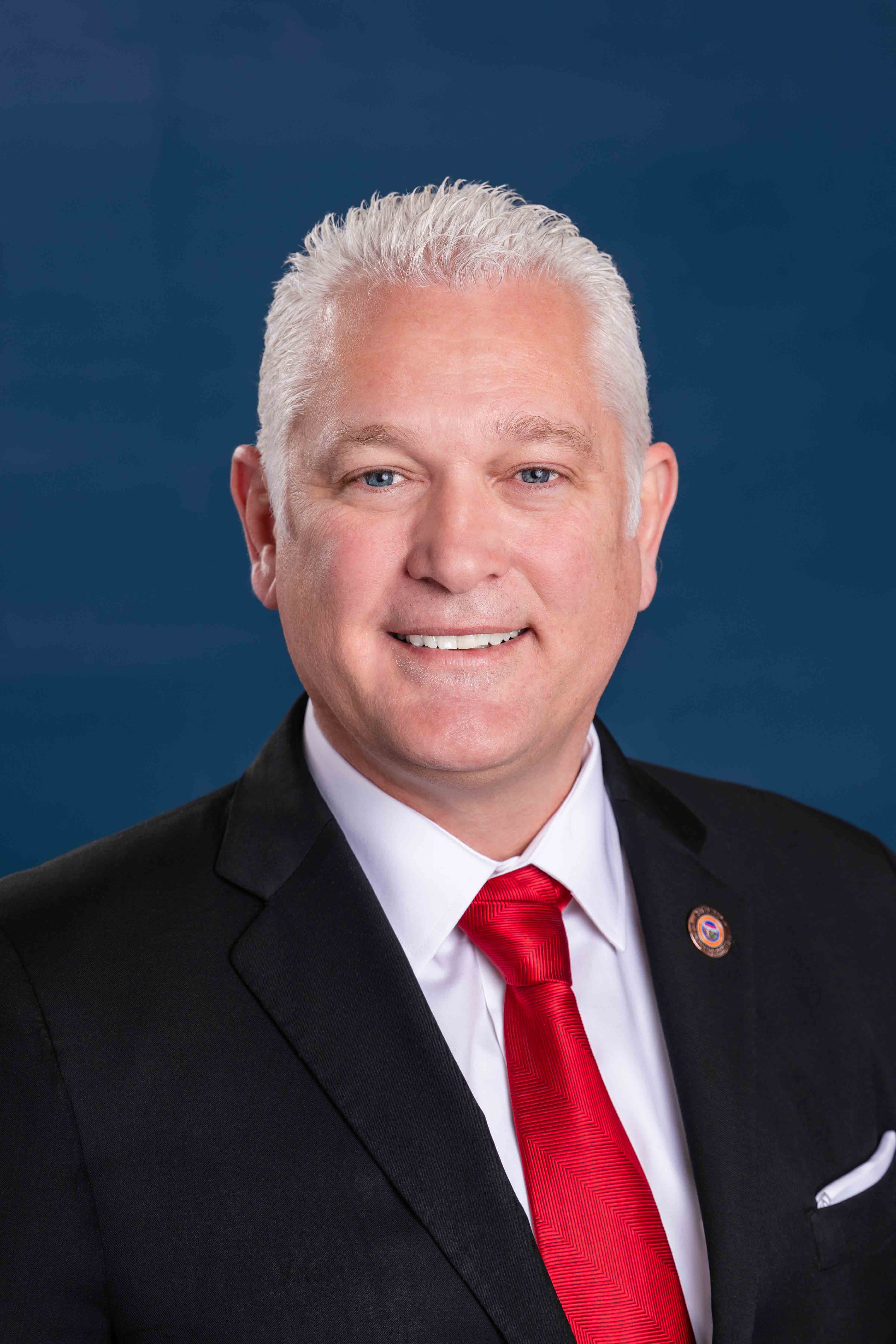
Rep. Michael Carbone
Sponsored bills
Maddy summaryHB 2447 creates a self-certification program for Arizona cities and towns, allowing licensed architects and engineers to certify that construction projects meet building codes without full city review. The law enables local governments to eliminate public hearings for certain administrative approvals (like site plans and design reviews) and offers expedited permit processing for applicants with strong compliance records. It requires that all standards be "objective" and verifiable, meaning decisions must rely on clear benchmarks, not personal judgment. This bill directly affects local building permit processes, reducing administrative delays for qualifying projects while shifting responsibility to certified professionals. The law was signed by the governor on March 31, 2025, making it effective immediately.
Maddy summaryHB 2696 prohibits Arizona critical infrastructure providers (including utilities, telecoms, emergency services, and water systems) from using software, equipment, or vendors owned or controlled by foreign adversaries - defined as countries designated under federal law (15 CFR §791.4). It requires replacing existing equipment from federally banned corporations with U.S.-made alternatives by 2025, mandates annual certification to the attorney general, and bans government contracts with prohibited vendors. The law applies to all critical infrastructure service providers and government entities purchasing equipment like routers, modems, or traffic enforcement systems. The attorney general must publish an annual list of banned vendors on their website, starting December 2025.
Maddy summaryHB 2167 requires Arizona school districts to maintain a uniform system of financial records. If a district fails to comply within 90 days of notice, the state may withhold up to 10% of its state funds until corrected. After 18 months of noncompliance, the state can impose monthly civil penalties equal to 1% of the district's budget, with funds deposited into a school financial transparency fund. This bill directly affects all public school districts in Arizona by establishing clear financial accountability measures and consequences for noncompliance.
Maddy summarySB 1311 creates a new "West Valley Charity Special Plate" for Arizona vehicle owners. To implement this, a person must pay $32,000 to the state department upfront, then vehicle owners pay a $25 annual fee ($17 of which is donated to the West Valley Charity Special Plate Fund). The department issues the plates after design approval, and the fund receives all $17 annual donations from plate fees. This program affects Arizona drivers who choose this specialty plate, with the charity fund supporting West Valley community initiatives.
Maddy summaryHCR 2042 proposes amending Arizona's constitution to prohibit state governments from granting preferential treatment or discrimination based on race, sex, color, ethnicity, or national origin in public employment, education, or contracting. It specifically bans requiring individuals to endorse race-based policies, discuss personal race/ethnicity, or participate in training promoting "diversity, equity and inclusion" beyond equal protection under federal law. The amendment would restrict public funding for offices promoting race-based policies and prohibit differential treatment in hiring, admissions, or contracting decisions. If approved by voters, it would take effect on December 14, 2010, applying only to state actions after that date.
Maddy summaryHB 2672 modifies Arizona's property tax exemption rules to expand eligibility for veterans with disabilities, widows/widowers, and individuals with total permanent disabilities. It provides full property tax exemption for veterans with a 100% service-connected disability rating, while others with disabilities receive a partial exemption capped at $4,188 (adjusted annually for inflation), reduced by their disability percentage. To qualify, applicants must meet income limits ($34,901 or $41,870 depending on dependents) and file annual affidavits with county assessors. The bill also clarifies that unused exemption amounts can apply to personal property taxes and prohibits double exemptions across categories.
Maddy summaryThis bill prohibits Arizona government entities and election vendors from using money or services from foreign governments or non-citizens for election administration. It also bans foreign entities from funding efforts to influence ballot measure outcomes. Vendors must provide annual written statements confirming they don’t receive foreign funds, with penalties for false statements (up to three times the contract value). The law explicitly excludes federally recognized tribal nations from the definition of "foreign government."
Maddy summaryHB 2739 requires manufacturers, packagers, or retailers of food products made from cultivated cells (like lab-grown meat) to label the product packaging with "This food product is derived from cultivated cells." The bill directly affects food companies producing such products sold in Arizona. Its key provision mandates this specific labeling language on all packaging, ensuring consumers can identify these products. The law does not restrict the sale of cultivated cell products but requires clear disclosure of their origin.
Maddy summaryHB 2192 redirects $55.9 million from Arizona's state highway fund to the state general fund (Section E) and appropriates $70 million for fiscal year 2025-2026 and $78 million for 2026-2027 to the Arizona Department of Transportation (ADOT) for constructing additional vehicle lanes on Interstate 10 between State Route 85 and Citrus Road. The bill requires these lanes to be separated by a lighted median and mandates ADOT use design-build or construction-manager-at-risk contracting to expedite the project. This funding directly affects ADOT's highway construction budget and will impact drivers using this I-10 corridor. The legislation changes how transportation funds are allocated and specifies construction methods for the project.