

Maddy summaryHB 2448 updates Arizona's election rules for voting locations. It allows counties to combine polling places for efficiency, establishes procedures for emergency voting centers during elections (including updated voter registration at these sites), and requires school principals to provide written reasons if denying polling space. The bill also mandates that government-owned buildings be made available for voting locations starting in 2026. These changes directly affect local election officials and voters by altering where and how elections are conducted.
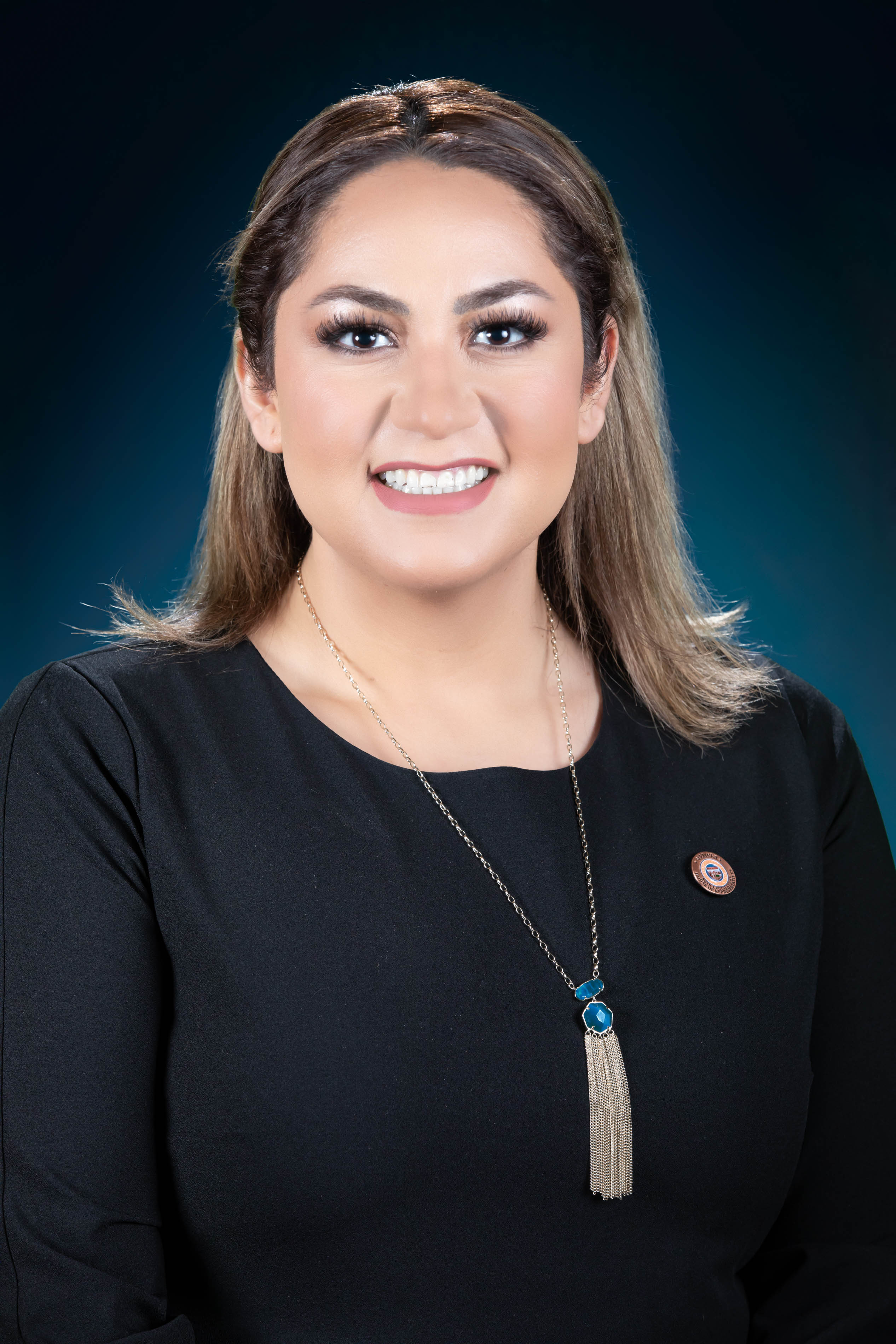
Rep. Consuelo Hernandez
Sponsored bills
Maddy summaryHB 2867 prohibits public schools, teachers, administrators, and contractors from teaching, promoting, or requiring students to advocate for antisemitism that creates a hostile educational environment. It bans using public funds for antisemitic curriculum, training, or materials, and protects staff who refuse to engage in such activities from adverse employment actions. Violations trigger school-level investigations, with the state board of education imposing disciplinary measures (reprimand, suspension, or revocation of teaching credentials) for repeat offenses by educators. The bill also allows students, parents, or staff to file complaints leading to civil lawsuits seeking damages, with schools barred from using taxpayer funds to cover judgments.
Maddy summaryHB 2779 amends Arizona law to clarify procedures for taking juveniles into temporary custody and establishes training for school security personnel. It requires peace officers to notify a juvenile’s parents, guardian, or custodian (unless safety is at risk) when taking a juvenile into custody for alleged misconduct, and mandates explaining juvenile Miranda rights in understandable language. The bill also creates a new training program for school law enforcement officers and security staff, requiring completion within one month of starting a school-related role (or presenting a valid certificate if completed within two years). These changes apply to all school districts and charter schools, with the training requirement effective June 30, 2026. The bill directly affects juveniles, their families, law enforcement officers, and school security personnel.
Maddy summaryArizona's HCR 2041 is a state resolution requesting Congress to call a constitutional convention under Article V to propose term limits for U.S. House and Senate members. It asks other states with similar applications to combine their efforts to meet the two-thirds state requirement for such a convention. If Congress fails to act, Arizona and other participating states would proceed with their own convention to draft term limits. This resolution does not create new law but seeks to restart a state-led process for constitutional change, targeting federal congressional representation.
Maddy summaryHB 2679 establishes a new framework for Arizona public power entities (like municipal utilities) to finance infrastructure upgrades by issuing "Transition Bonds." These bonds are secured by future customer payments called "Financing Charges," which become nonbypassable fees added to all customers' utility bills until the costs are fully recovered. The bill creates specific definitions for terms like "Financing Charges," "Qualified Special Purpose Entity," and "Transition Bonds," ensuring these payments cannot be avoided regardless of the customer's service provider or asset ownership. This mechanism allows public power entities to shift financing costs to customers over time rather than relying solely on traditional rate increases.
Maddy summaryHB 2944 amends Arizona's mental health statute (Section 36-540) to clarify that the total duration of combined inpatient and outpatient treatment under court order cannot exceed the maximum period allowed for inpatient treatment alone. This directly affects patients receiving court-ordered combined treatment and the mental health agencies supervising their care. The key provision explicitly states that the combined treatment period must not exceed the maximum inpatient treatment period permitted by law, preventing extended treatment beyond statutory limits. This change ensures consistent calculation of treatment days without altering eligibility or treatment requirements.
Maddy summaryHB 2488 allows probationers in Arizona who are enrolled in state or federally recognized apprenticeship programs to work flexible hours (as long as they maintain good standing with the program) and travel outside their home jurisdiction for work, provided they return to their home jurisdiction by 11:59 p.m. each day. The bill directly affects individuals on supervised probation who are participating in approved apprenticeships. Key provisions remove prior restrictions on work hours and out-of-jurisdiction travel for these probationers, as long as program requirements are met. This policy change streamlines participation in apprenticeship programs while maintaining supervision requirements. The law was signed by the governor in May 2025.
Maddy summaryHB 2380 establishes the Arizona Rare Disease Advisory Council within the state department to address the needs of Arizonans with rare diseases. The council, composed of 16 diverse members including patients, caregivers, healthcare providers, researchers, insurers, and industry representatives, will conduct public hearings, research barriers like high treatment costs and insurance coverage gaps, and develop policy recommendations. It must submit annual reports to the governor and legislature by December 1st, detailing its work and suggesting improvements to healthcare access, diagnostics, and coverage for rare disease patients. This council directly serves Arizona residents living with rare diseases, their caregivers, and healthcare providers seeking better treatment options and system support.
Maddy summaryHB 2880 prohibits unauthorized encampments on Arizona university and community college campuses, requiring immediate dismantling if established without prior authorization. It mandates that campus officials direct occupants to leave, warn of criminal trespass charges (pursuant to Arizona law), and pursue legal action for removal if refused. Students who refuse to vacate face disciplinary action under their institution's code of conduct, while individuals establishing encampments are liable for all property damage costs and may face criminal prosecution for property damage. The law directly affects students, campus administrators, and anyone attempting to establish protest or temporary housing on campus grounds without approval.
Maddy summarySB 1106, titled "Ava's Law," modifies Arizona's public entity liability rules regarding sexual offenses. It clarifies that public entities (like schools or government agencies) generally cannot be held liable for sexual offenses committed by employees against minors or children with disabilities, **unless** the entity violated a duty to check employee backgrounds or failed to report known risks. The law applies only to offenses occurring on or after December 31, 2027, and does not affect liability for vehicle-related incidents or emergency care. This bill focuses on defining specific circumstances where public entities may face liability, not broader policy changes.